
Mindarinae
Tullgren, 1909
Genus Guides
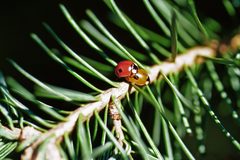
1- Mindarus(balsam twig aphid)
Pronunciation
How to pronounce Mindarinae: /mɪnˈdærɪniː/
These audio files are automatically generated. While they are not always 100% accurate, they are a good starting point.
Identification
Members of Mindarinae can be distinguished from other by their association with coniferous and specific morphological characteristics of the Mindarus, including reduced or modified siphunculi and distinctive wing venation patterns.
Images
Habitat
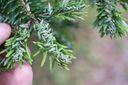
Forested environments, specifically associated with coniferous trees including of Abies (firs) and other Pinaceae.
Distribution
Holarctic distribution, with records from North America and Eurasia.
Diet
Phloem sap of coniferous trees, particularly Abies .
Host Associations
- Abies - Primary for Mindarus
- Pinaceae - of coniferous
Ecological Role
As phloem feeders on conifers, they function as herbivores that may influence tree physiology and serve as prey for various natural enemies.
Human Relevance
Some , particularly Mindarus abietinus (balsam woolly aphid), are significant forest pests causing damage to fir trees through feeding and honeydew production that promotes growth.
Similar Taxa
- AphidinaeThe largest , distinguished from Mindarinae by broader range, different morphological features, and generally more complex with extensive host alternation.
- LachninaeAnother conifer-feeding , but distinguished by larger body size, different siphuncular structure, and typically different associations.