
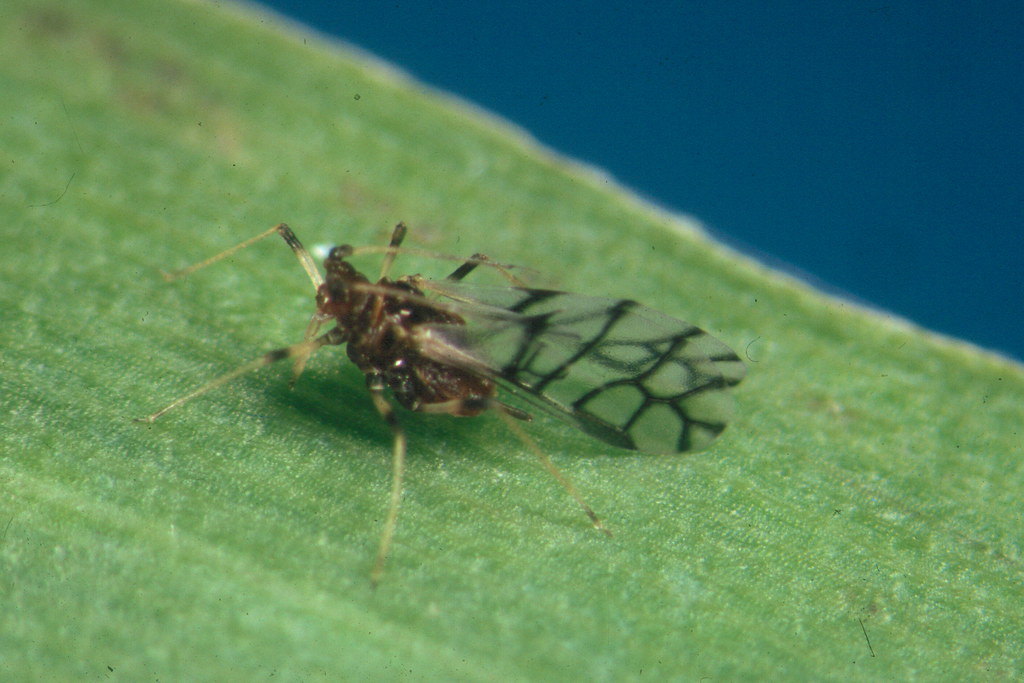
People usually talk about aphids like they are already explained. Tiny green bugs. Bad for the roses. Spray them, squish them, move on. That is not wrong. It is just a very small version of the story.
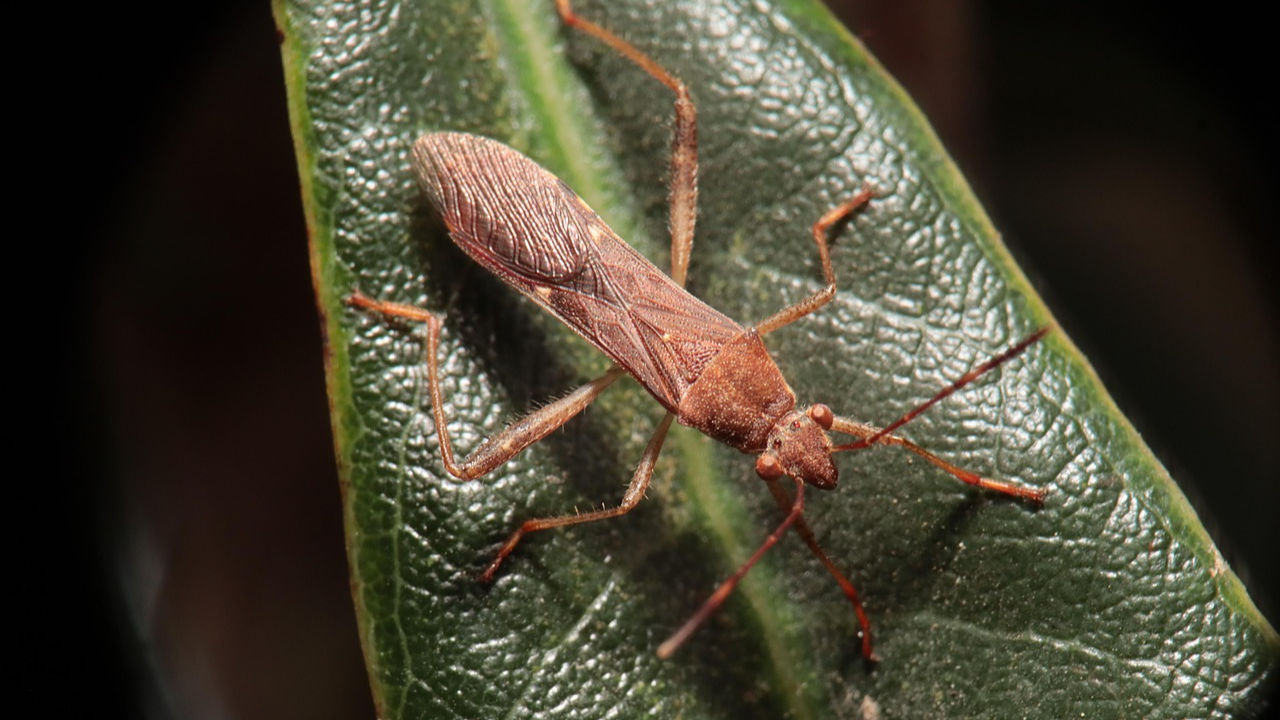
Prickly Pear Bug
Chelinidea tabulata is a leaf-footed bug in the family Coreidae. It feeds and develops almost exclusively on prickly pear cacti (Opuntia spp.), with its distribution coinciding with that of its host plants. The species occurs across North, Central, and South America.
Chelinideini is a tribe of leaf-footed bugs in the family Coreidae, established by Blatchley in 1926. The tribe contains at least five described species. Members belong to the subfamily Coreinae and share the general morphology characteristic of this group of true bugs.
shore bugs
Chiloxanthinae is a subfamily of shore bugs in the family Saldidae, established by Cobben in 1959. It comprises approximately 7 genera and more than 20 described species. The subfamily includes both extant and extinct taxa, with three fossil genera known from the Oligocene and Eocene. Members are found within the broader shore bug lineage adapted to marginal aquatic habitats.
shore bug
Chiloxanthus stellatus is a predatory shore bug in the family Saldidae, distributed across Arctic and temperate regions of Europe, Northern Asia, and North America. The species inhabits moist tundra and shoreline habitats, functioning as an arthropod predator in these ecosystems. Research in Arctic Alaska has documented its population density and habitat distribution patterns in tundra environments.
Chinaola quercicola is a species of minute plant bug in the family Microphysidae, described by Blatchley in 1928. The species epithet 'quercicola' suggests an association with oak (Quercus). It is known from North America.
Green Stink Bugs
Chinavia is a diverse genus of green stink bugs comprising over 80 species distributed across the Afrotropical, Nearctic, and Neotropical regions. Species within this genus are polyphagous and include significant agricultural pests, notably Chinavia hilaris (the green stink bug), which damages cotton, soybean, and other crops in North America. The genus is characterized by green coloration retained after death, medium body size (9–19 mm), and membership in the tribe Nezarini. Several species have become subjects of integrated pest management research due to their economic impact on row crops and orchard systems.
Margined Stink Bug
Chinavia marginata is a species of shield bug (family Pentatomidae) native to Florida, Central America, and the Caribbean. The species belongs to a genus of stink bugs commonly known as green stink bugs, characterized by their green coloration and agricultural pest status. Like other Chinavia species, it possesses piercing-sucking mouthparts used for feeding on plant tissues. The species has undergone taxonomic revision, previously classified under Acrosternum and Pentatoma.
Pennsylvania stink bug
Chinavia pensylvanica is a stink bug species in the family Pentatomidae, native to North America. It is one of several Chinavia species that feed on cultivated crops and wild plants. The species has been documented in soybean and corn fields in the Midwestern United States, where it contributes to emerging stink bug pest problems in regional agriculture.
Chionomus bellicosus is a species of planthopper in the family Delphacidae, order Hemiptera. It was described by Muir and Giffard in 1924. As a member of the Delphacidae, it belongs to a family characterized by a movable spur on the hind tibia, a trait distinguishing them from other planthopper families. The genus Chionomus contains multiple species, though detailed biological information for C. bellicosus specifically is limited in available sources.
Chionomus pacificus is a species of planthopper in the family Delphacidae, described by Crawford in 1914. It belongs to the infraorder Fulgoromorpha within the order Hemiptera. The species has been documented in 219 observations on iNaturalist, indicating it is encountered with moderate frequency by citizen scientists. As a member of Delphacidae, it is likely associated with grass or sedge habitats, though specific ecological details for this species remain poorly documented in available sources.
Chlamydatus is a genus of plant bugs (Miridae: Phylinae) established by Curtis in 1833, containing more than 30 described species. The genus is distributed across the Holarctic region, with records from Europe (Denmark, Norway, Sweden) and North America. One species, Chlamydatus ruficornis, has been documented feeding on prostrate knotweed (Polygonum aviculare) in Wyoming, USA.
Chlamydatus obliquus is a species of plant bug in the family Miridae, first described by Uhler in 1893 as Agalliastes obliquus. It is native to North America, with records from western Canada and the western United States. As a member of the Miridae, it belongs to one of the largest families of true bugs, commonly known as plant bugs or leaf bugs.
Chlorita nearctica is a species of leafhopper in the family Cicadellidae, described by Hamilton in 1998. The genus Chlorita belongs to a group of leafhoppers characterized by distinctive morphological features. Distribution records indicate presence in Yukon, Canada. As with many leafhoppers, specific ecological details remain poorly documented in accessible literature.
Cotton-green Cicada
Chlorocanta viridis, commonly known as the Cotton-green Cicada, is a cicada species in the family Cicadidae. It was described by Davis in 1918 and was originally placed in the genus Okanagana before being transferred to Chlorocanta. As a member of the subfamily Tibicininae, it belongs to a group of cicadas known for their distinctive acoustic signals and often greenish coloration. The species is part of the diverse North American cicada fauna, though detailed biological studies remain limited.
Chlorochroa granulosa is a species of stink bug in the family Pentatomidae. It is found in North America, with records from the western Nearctic region including California and Beringia. The species was first described by Uhler in 1872. Like other members of the genus Chlorochroa, it is a true bug with characteristic shield-shaped body form typical of stink bugs.
Chlorochroa kanei is a species of stink bug described by Buxton & Thomas in 1983. It belongs to the family Pentatomidae, a large group of true bugs commonly known as shield bugs or stink bugs due to their characteristic shape and defensive secretions. The species is known to occur in North America, though specific details about its biology, ecology, and distribution within that range remain poorly documented in the available literature.
conchuela bug, conchuela stink bug
Chlorochroa ligata, commonly known as the conchuela bug, is a stink bug species in the family Pentatomidae. It occurs across North America and Central America, with documented presence in the southwestern United States including New Mexico and Texas. The species is associated with mesquite (Prosopis glandulosa) and other woody plants, where adults have been observed mating on seedpods. It is recognized as a pest of grain sorghum and other crops, with piercing-sucking mouthparts that damage developing kernels.
Chlorochroa norlandorum is a species of stink bug in the family Pentatomidae, order Hemiptera. It belongs to the genus Chlorochroa, which includes several species commonly known as conchuela or green stink bugs. The species name suggests a connection to the Norland region, though specific details about its biology and distribution remain poorly documented in the scientific literature. As with other members of the genus, it is likely a plant-feeding species with piercing-sucking mouthparts.
Chlorochroa opuntiae is a species of stink bug in the family Pentatomidae, first described by Esselbaugh in 1948. It belongs to a genus of green-colored stink bugs found in North America. The species name 'opuntiae' suggests an association with Opuntia (prickly pear cactus), though specific ecological relationships require further documentation. It occurs in the western Nearctic region, with records from California and surrounding areas.
Black-winged Chlorochroa
Chlorochroa osborni is a species of stink bug in the family Pentatomidae, commonly known as the Black-winged Chlorochroa. It is distributed across Central America and North America. The species belongs to a genus of green stink bugs, though specific distinguishing features of this species include its black-winged appearance. It has been documented in field observations in mixed-grass prairie habitats.
Chlorochroa rossiana is a species of stink bug in the family Pentatomidae, first described by Buxton & Thomas in 1983. It is found in North America. Like other members of the genus Chlorochroa, it is a true bug with piercing-sucking mouthparts. Very little is known about its specific biology, ecology, or economic importance.
Say's Stink Bug
Chlorochroa sayi, commonly known as Say's stink bug, is a species of stink bug in the family Pentatomidae. It is found in North America. The species belongs to the genus Chlorochroa, which includes several green stink bug species. Like other members of its family, it possesses the characteristic shield-shaped body typical of stink bugs.
Chlorochroa senilis is a species of stink bug in the family Pentatomidae, first described by Thomas Say in 1832. It occurs in North America. As a member of the genus Chlorochroa, it belongs to a group of green stink bugs that are primarily associated with western North American habitats.
Uhler's Stink Bug
Chlorochroa uhleri, commonly known as Uhler's stink bug, is a species of stink bug in the family Pentatomidae. It is distributed across Central America and North America. The species belongs to the genus Chlorochroa, which includes several stink bug species characterized by their green coloration. Limited specific biological information is available for this species in the provided sources.
Chlorocoris is a genus of stink bugs in the family Pentatomidae. The genus contains six described species distributed across the Americas. Members of this genus are phytophagous true bugs, with some species known to occur on agricultural crops. The egg parasitoid of at least one species, Chlorocoris distinctus, has been studied in Mexico.
Chlorocoris distinctus is a species of stink bug in the family Pentatomidae. It occurs across a broad geographic range spanning Central America, North America, and South America. The species has been documented as a host for egg parasitoids in Mexico, though detailed biological studies remain limited.
Chlorotettix fallax is a species of leafhopper in the family Cicadellidae, subfamily Deltocephalinae, described by Sanders & DeLong in 1922. The genus Chlorotettix is part of the tribe Pendarini. Distribution records indicate this species occurs in Illinois and New Hampshire. Like other members of its family, it is a sap-feeding insect with piercing-sucking mouthparts. The specific epithet 'fallax' suggests deceptive or misleading appearance, though the basis for this name choice is not documented in available sources.
Chlorotettix iridescens is a species of leafhopper in the family Cicadellidae, subfamily Deltocephalinae. Described by DeLong in 1916, this species is placed in the tribe Pendarini. Distribution records indicate occurrence in Tennessee, USA. As a member of the genus Chlorotettix, it shares characteristics typical of this leafhopper group, though specific details about its biology remain poorly documented in available sources.
Chlorotettix scutellatus is a leafhopper species in the family Cicadellidae, first described by Osborn in 1918. The genus Chlorotettix belongs to the tribe Pendarini within the subfamily Deltocephalinae. This species is part of a diverse group of leafhoppers that feed on plant sap using piercing-sucking mouthparts. Information on this specific species is limited in the provided sources, though the genus is known to contain numerous species distributed across North America.
Chrysomphalus is a genus of armored scale insects in the family Diaspididae, containing approximately 17 described species. The genus includes several economically significant agricultural pests, notably Chrysomphalus aonidum (Florida red scale or Egyptian black scale) and Chrysomphalus dictyospermi (Spanish red scale), which infest citrus and other fruit crops worldwide. These sedentary insects possess protective waxy coverings and are targeted in integrated pest management programs using biological control agents including lady beetles and parasitoid wasps.
Ring-clawed Deer Fly
Chrysops cincticornis is a deer fly in the family Tabanidae, first described by Walker in 1848. It is commonly known as the Ring-clawed Deer Fly. The species has been documented in Vermont and other parts of the United States, with 291 observations recorded on iNaturalist. Research on this species has focused on its oviposition behavior and fecundity, with laboratory studies showing females deposit eggs in gelatinous masses on mud substrates near water, averaging 156 eggs per female.
leafhoppers, typical leafhoppers, sharpshooters
Cicadellidae, commonly known as leafhoppers, is one of the largest families of Hemiptera with over 20,000 described species worldwide. These minute insects are plant-feeding specialists that suck xylem or phloem sap using piercing-sucking mouthparts. The family is distinguished by hind legs modified for jumping, featuring double rows of spines on the tibiae. Many species are significant agricultural pests and vectors of plant pathogens, including the bacterium Xylella fastidiosa which causes diseases in citrus, grapes, and other crops. The subfamily Cicadellinae (sharpshooters) contains particularly important pest species due to their polyphagy and disease transmission capabilities.
sharpshooters, leafhoppers
Cicadellinae is a subfamily of leafhoppers (family Cicadellidae) within the order Hemiptera. Members of the tribe Proconiini within this subfamily are commonly known as 'sharpshooters.' The subfamily currently contains five tribes: Cicadellini, Makilingiini, Phereurhinini, Proconiini, and Tungurahualini. Cicadellinae leafhoppers are globally distributed and are significant agricultural pests due to their role as vectors of plant pathogens, particularly the bacterium Xylella fastidiosa, which causes diseases including Pierce's disease of grape, phony peach disease, and citrus variegated chlorosis.
sharpshooters
Cicadellini is a large tribe of leafhoppers (sharpshooters) within the family Cicadellidae, comprising approximately 1,886 described species across 266 genera—four times more diverse than the related tribe Proconiini. These insects are characterized by their distinctive suctorial-piercing mouthparts adapted for xylem-feeding. The tribe exhibits highest diversity in the Neotropical region, with significant economic importance as vectors of plant pathogens, particularly Xylella fastidiosa, which causes Citrus Variegated Chlorosis and other diseases affecting commercial crops.
Southern Grass Cicada
A small North American cicada species known as the Southern Grass Cicada. Adults emerge and lay eggs in late spring. The species has a median total life cycle of approximately four years from egg to natural adult death. Formerly placed in the genus Cicadetta, it was transferred to the revalidated genus Cicadettana. The species is notable for increasing in abundance in prairies managed with spring and fall prescribed burns, unlike prairie cicadas in the genus Tibicen which are negatively impacted by such burns.
little green cicada
Cicadettana calliope floridensis is a subspecies of the little green cicada, a small cicada in the family Cicadidae. It belongs to a genus with only two species in the United States. The subspecies was described by Davis in 1920 and is currently considered valid. Like other members of its species, it is associated with grassland habitats and has a biology adapted to fire-prone environments.
Typical Cicadas, True Cicadas
Cicadidae is one of two families in the superfamily Cicadoidea, containing approximately 3,400 species in over 520 genera worldwide. Members are characterized by membranous wings, triangular arrangements of three ocelli on the head, short bristle-like antennae, and acoustic communication using tymbals. The family includes both annual species with staggered emergence patterns and periodical species with synchronized multi-year life cycles. Cicadidae is distinguished from its sister family Tettigarctidae by more efficient sound-producing mechanisms.
translucent cicadas
Cicadinae is a large subfamily of cicadas (Hemiptera: Cicadidae) commonly known as the translucent cicadas. Members are typically robust with many species displaying bright coloration, though they generally lack the opaque, butterfly-like wing markings characteristic of the related subfamily Tibiceninae. The subfamily comprises multiple tribes and has undergone substantial taxonomic revision between 2010 and 2018 based on morphological and molecular phylogenetic analyses. Some classification schemes merge Tibiceninae into Cicadinae partially or entirely.
cicadas
Cicadoidea is a superfamily of insects in the order Hemiptera, suborder Auchenorrhyncha. It comprises two families: Tettigarctidae, containing two species restricted to Australia, and Cicadidae, with more than 1,300 described species worldwide. Cicadas are characterized by their large size, bulging compound eyes, short antennae, and distinctive acoustic signals produced by males. The superfamily includes both annual and periodical species, with the latter exhibiting remarkable synchronized emergences after 13 or 17 years of subterranean development.
Spittlebugs, Cicadas, Leafhoppers and Treehoppers
Cicadomorpha is an infraorder of Hemiptera comprising approximately 35,000 described species worldwide, including cicadas, leafhoppers, treehoppers, and spittlebugs. The group has a fossil record extending to the Late Permian, with extinct families such as Palaeontinidae representing diverse Mesozoic lineages. All members are obligate plant-feeders utilizing specialized mouthparts for sap extraction. Many species produce acoustic signals or substrate vibrations for communication, with sound production mechanisms varying among superfamilies.
Cicadula ornata is a species of leafhopper in the family Cicadellidae, subfamily Deltocephalinae. The species was described by Melichar in 1900. It belongs to a genus of small, active insects commonly known as leafhoppers that feed on plant sap using piercing-sucking mouthparts. The specific epithet 'ornata' suggests some form of decorative or patterned appearance, though detailed morphological descriptions are not readily available in the provided sources.
bed bugs, bedbugs
Cimex is a genus of obligate hematophagous insects in the family Cimicidae, commonly known as bed bugs. The genus includes species specialized on different hosts, with C. lectularius (common bed bug) feeding primarily on humans and C. hemipterus (tropical bed bug) occurring in warmer regions. Other species such as C. pipistrelli, C. pilosellus, and C. adjunctus specialize on bats. Bed bugs are wingless, nocturnal parasites that have undergone global resurgence since the late 1990s, likely due to insecticide resistance, changes in pest control practices, and increased international travel.
bed bug subfamily
Cimicinae is a subfamily of blood-feeding ectoparasites in the family Cimicidae, established by Latreille in 1802. The subfamily includes the most economically significant bed bug species, notably the cosmopolitan human parasites Cimex lectularius and Cimex hemipterus. It represents one of six subfamilies in Cimicidae and occupies a central position in the family's phylogeny.
Mealy Spruce Aphid
Cinara costata is a large aphid species in the family Aphididae, commonly known as the Mealy Spruce Aphid. It feeds on conifers, particularly spruce (Picea spp.), and is native to Europe where it has been documented in Great Britain, Denmark, Belgium, and France. Like other Cinara species, it produces honeydew that attracts ants and wasps. The species was first described by Zetterstedt in 1828 from specimens collected in Scandinavia.
Large Green Spruce Aphid
Cinara fornacula is a large aphid species in the family Aphididae, commonly known as the Large Green Spruce Aphid. Like other members of the genus Cinara, it is associated with coniferous host plants, specifically spruce (Picea spp.). The species was described by Hottes in 1930. As with many Cinara aphids, it likely feeds on phloem sap and produces honeydew, though specific ecological studies on this species appear limited.
Globose Pine Aphid
Cinara pergandei is a large aphid species in the family Aphididae, commonly known as the Globose Pine Aphid. It feeds on coniferous trees, particularly pines, and produces copious amounts of honeydew that attracts wasps and other insects. Like other Cinara species, it has piercing-sucking mouthparts adapted for tapping into phloem sap. It is part of a genus containing numerous conifer-feeding aphids, many of which are significant pests in forestry and Christmas tree production.
Ciriacreminae is a subfamily of psyllids within the family Psyllidae, comprising small plant-feeding true bugs in the order Hemiptera. Members of this subfamily share the general characteristics of Psyllidae, including jumping ability and typically host-specific feeding relationships with plants. The subfamily is part of the Sternorrhyncha, a group considered basal within Hemiptera that includes aphids, scale insects, and whiteflies. Specific diagnostic features distinguishing Ciriacreminae from other psyllid subfamilies are not well documented in widely available literature.
Cistalia is a genus of seed bugs in the family Rhyparochromidae, established by Stål in 1874. The genus contains eight described species distributed in the Americas. These insects are classified within the tribe Lethaeini and are commonly referred to as dirt-colored seed bugs. Species within this genus have been documented from the mid-19th century to the present, with the most recent species described in 2015.
dirt-colored seed bug
Cistalia explanata is a dirt-colored seed bug in the family Rhyparochromidae. It was described by Barber in 1938. The species is known from North America, with records from the United States. As a member of the Rhyparochromidae, it belongs to a family of true bugs commonly associated with seeds.
Cixidia confusa is a species of planthopper in the family Achilidae, first described by Beirne in 1950. It belongs to a group of insects commonly known as achilid planthoppers, which are characterized by their distinctive head morphology and association with fungal hosts. The species has been recorded in North America, with distribution spanning parts of Canada and the northeastern United States. Like other members of Achilidae, it is presumed to feed on fungal mycelium, though specific ecological studies on this species remain limited.