Tuftlegged Orbweaver, Stabilimentum Orb-weaver
Mangora is a genus of small orb-weaving spiders in the family Araneidae, commonly known as tuftlegged orbweavers. These spiders are distinguished by their compact bodies, often with prominent abdominal projections or tubercles, and their distinctive vertical orb webs that frequently feature white silk decorations called stabilimenta. The genus occurs across North America, Europe, and parts of Asia, with species inhabiting diverse habitats from woodlands to grasslands. Mangora spiders are active primarily in late spring and summer, with some species producing multiple generations per year.
Mangora fascialata is a small orb-weaving spider in the family Araneidae, described by Franganillo in 1936. The species occurs across the Caribbean, Middle America, and southern North America, with records from the USA through Honduras, as well as Cuba, Hispaniola, and Trinidad. Like other Mangora species, it constructs vertical orb webs rather than the horizontal webs of related genera such as Leucauge.
lined orbweaver
Mangora gibberosa is a species of orb-weaving spider in the family Araneidae, native to North America. It is commonly misidentified as Cyclosa turbinata due to similar appearance and web architecture. The species is part of a genus of small to medium-sized orbweavers known for their often distinctive abdominal markings and vertical orb webs.
Tuft-legged Orbweaver
Mangora placida is a small orb-weaving spider in the family Araneidae, commonly known as the Tuft-legged Orbweaver. It is found across North America, with records from Canada through the United States. The species is notable for the tufted projections on its legs, a distinctive feature referenced in its common name. Juveniles and adults build vertical orb webs to capture flying insects.
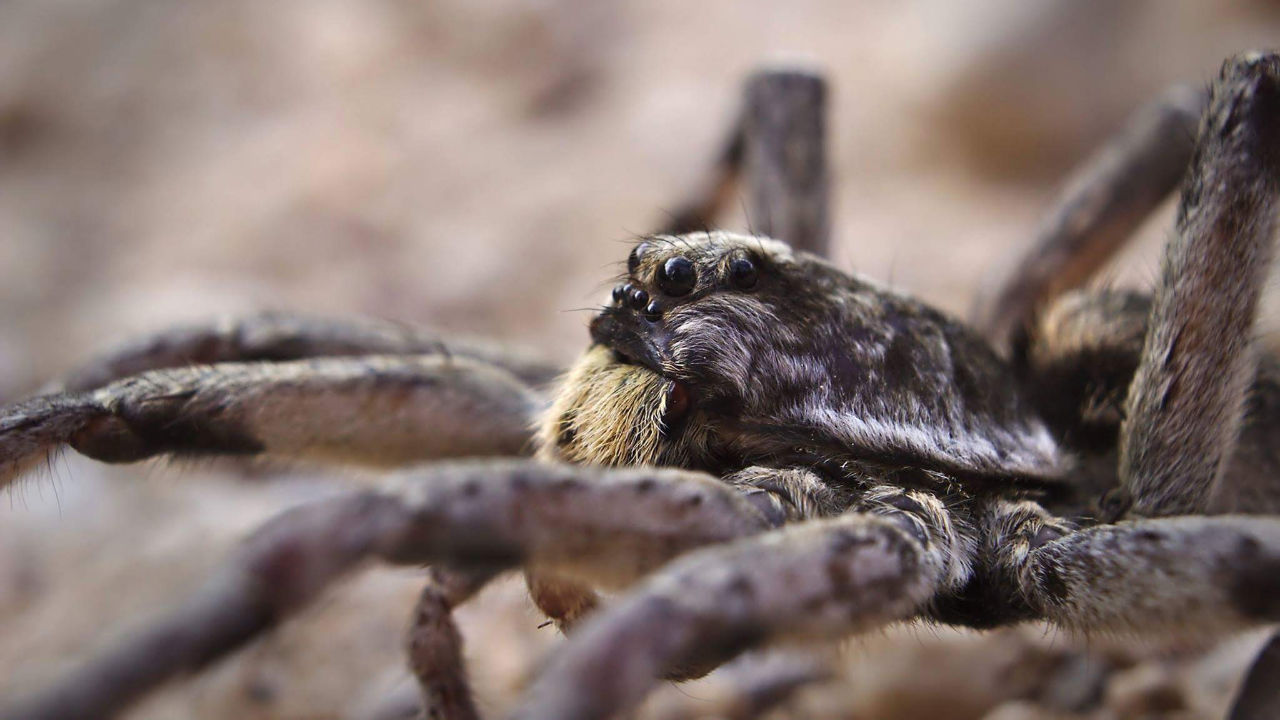
A ground-dwelling spider species in the family Gnaphosidae, first described by L. Koch in 1866. The first cytogenetic analysis of this species was conducted on specimens from Turkey, revealing a diploid chromosome number of 2n♂=22 with an X1X20 sex chromosome system. All chromosomes are telocentric, with X1 being the largest and X2 the smallest chromosome in the karyotype. Sex chromosomes exhibit positive heteropycnosis during prophase I of meiosis. The species has a broad native distribution across the Mediterranean to Caucasus region and has been introduced to the USA.
Maro is a genus of dwarf spiders in the family Linyphiidae (sheet-web weavers), first described by Octavius Pickard-Cambridge in 1907. These small arachnids belong to the diverse group of linyphiid spiders, which are among the most species-rich spider families globally. The genus is known from limited records in northern Europe.
Marpissa formosa is a species of jumping spider in the family Salticidae. It is known from the eastern United States. Like other members of the genus, it exhibits the characteristic jumping ability and visual acuity typical of salticid spiders.
Toothed slender jumping spider
Marpissa grata is a species of jumping spider in the family Salticidae. It is found in the United States and Canada, with records from Ontario, Florida, Iowa, Michigan, and Minnesota. The species was originally described as Hyctia grata by Gertsch in 1936 before being transferred to the genus Marpissa.
Four-lined Slender Jumping Spider
Marpissa lineata is a small jumping spider in the family Salticidae, commonly known as the Four-lined Slender Jumping Spider. It is distinguished by distinctive banded markings on the abdomen and legs that give the species its name. Females are larger than males, measuring 3.50–5.20 mm versus 3.00–4.00 mm. The species is widely distributed across the eastern half of North America, where it inhabits leaf litter in forest, shrub, and prairie grass communities.
Maso sundevalli is a species of sheet-web weaving spider in the family Linyphiidae, first described by Westring in 1851. Originally placed in the genus Erigone, it was later transferred to Maso. The species has a broad distribution across the Northern Hemisphere, including Europe, Asia, and North America. Like other linyphiids, it constructs flat sheet webs with a retreat and captures small flying insects.
Masoncus is a genus of dwarf spiders in the family Linyphiidae, first described by Ralph Vary Chamberlin in 1949. The genus contains four species distributed in Canada and the United States. One species, Masoncus pogonophilus, has been documented living in nests of the ant Pogonomyrmex badius, where it feeds on springtails. The genus is part of the diverse sheet-web weaving spider family.
bolas spiders, American bolas spiders
Mastophora is a genus of orb-weaver spiders in the family Araneidae, commonly known as bolas spiders. These spiders have abandoned the typical orb-web construction of their relatives and instead hunt using a unique method: they produce a single droplet of sticky silk suspended on a thread (the "bolas") and swing it to capture flying prey. Adult females are nocturnal moth specialists that use aggressive chemical mimicry, releasing sex pheromones to attract specific male moth species within range of their bolas. The genus includes 15 species in the United States, with Mastophora cornigera being the only species found in California.
Mecaphesa deserti is a species of crab spider in the family Thomisidae. It was described by Schick in 1965. The species occurs in arid regions of the southwestern United States and Mexico, consistent with its specific epithet referencing desert habitats. As a member of the genus Mecaphesa, it belongs to a group of spiders characterized by laterigrade leg orientation and ambush predation behavior.
Mecaphesa rothi is a species of crab spider in the family Thomisidae. It is found in the United States and Mexico. As a member of the genus Mecaphesa, it shares the ambush-hunting strategy characteristic of crab spiders, waiting on flowers to capture pollinating insects. The species was described by Schick in 1965.
Mecaphesa sierrensis is a species of crab spider in the family Thomisidae, first described by Schick in 1965. The genus Mecaphesa comprises small to medium-sized ambush predators that typically hunt on flowers. As a member of this genus, M. sierrensis likely exhibits the cryptic coloration and sit-and-wait predatory strategy characteristic of flower-dwelling thomisids. The species has been recorded from western North America, including British Columbia, Canada and the United States.
Mecynargus borealis is a sheet-web weaving spider in the family Linyphiidae, first described by Jackson in 1930. The species has a Holarctic distribution, occurring in northern Europe, Russia, and North America including Canada and Svalbard. As a linyphiid spider, it constructs flat sheet webs with a retreat for capturing small flying and crawling prey.
Basilica Orbweaver
Mecynogea lemniscata, commonly known as the basilica orbweaver, is a species of orb-weaving spider in the family Araneidae. It occurs across a broad geographic range from the United States to Argentina. Females are generalist predators that employ orb-web hunting strategies. Research has documented sixteen distinct behavioral acts during prey capture, with sequences varying according to prey type.
Megalepthyphantes is a genus of dwarf spiders (family Linyphiidae) established by J. Wunderlich in 1994. The genus comprises seventeen described species distributed across Africa, Europe, and Asia. Its type species is Megalepthyphantes nebulosus (Sundevall, 1830), originally described under a different genus. The genus shows a notable concentration of species in the Mediterranean region and Central Asia.
Megalepthyphantes nebulosus is a species of sheetweb spider in the family Linyphiidae. It is one of the more widely distributed linyphiid species, occurring across North America and Eurasia. The species was first described by Sundevall in 1830. Like other members of its family, it constructs sheet webs for prey capture. The specific epithet 'nebulosus' refers to the cloudy or nebulous appearance, likely describing coloration or pattern.
Melocosa fumosa is a wolf spider in the family Lycosidae, first described by James Henry Emerton in 1894. The species is documented from the United States and Canada. As a member of the genus Melocosa, it belongs to a group of wolf spiders characterized by burrowing behavior and specific eye arrangement patterns. The species has been recorded in iNaturalist with over 100 observations, indicating it is encountered with moderate frequency by naturalists.
Meriola californica is a species of true spider in the family Trachelidae, first described by Banks in 1904. The species is known to occur in the United States and Mexico. As a member of Trachelidae, it belongs to a family of ground-dwelling spiders commonly known as sac spiders. Published information on the specific biology and ecology of this species remains limited.
Mermessus index is a species of sheet-web weaving spider in the family Linyphiidae, first described by Emerton in 1914. It belongs to a genus of small spiders commonly known as dwarf spiders or money spiders. The species is native to North America and has been recorded in both the United States and Canada. Like other members of Linyphiidae, it constructs horizontal sheet webs to capture prey.
dwarf spider
Mermessus maculatus is a dwarf spider in the family Linyphiidae, first described by Banks in 1892. The species exhibits a broad Nearctic distribution spanning from Canada to Guatemala, with additional records from the Commander Islands in Russia. As a member of the sheet-web weaving spiders, it belongs to a large family of small-bodied arachnids characterized by their distinctive web architecture.
Trilobate Dwarf Weaver
Mermessus trilobatus is a dwarf spider in the family Linyphiidae, native to North America and introduced to Europe and the Azores since the late 1970s. It has become the most invasive spider in Europe, expanding across multiple countries within fifty years. Unlike most invasive spiders in Europe, it occurs primarily in agricultural and semi-natural open habitats rather than buildings. First described by James Henry Emerton in 1882.
Dancing Dwarf Weaver
Mermessus undulatus is a species of dwarf spider in the family Linyphiidae, commonly known as the Dancing Dwarf Weaver. It was first described by Emerton in 1914 under the basionym Gongylidium undulatus. The species belongs to a genus that has been studied for its complex heritable symbiont communities, with some species hosting up to five different bacterial symbionts simultaneously.
Messua is a genus of jumping spiders (Salticidae) established by G. W. Peckham and E. G. Peckham in 1896. Species in this genus have been documented as hosts for parasitoid wasps, specifically the polysphinctine ichneumonid Inbioia pivai. The genus is moderately well-represented in citizen science observations, with over 3,000 records on iNaturalist.
Messua limbata is a species of jumping spider in the family Salticidae. It is known from the southern United States and Mexico. As a member of the jumping spider family, it possesses the characteristic large anterior median eyes and salticid hunting behavior. The species was described by Banks in 1898.
Cave Orbweavers
Meta is a genus of long-jawed orb-weaver spiders (family Tetragnathidae) distributed worldwide. These spiders are strongly associated with subterranean and dimly lit environments, including caves, abandoned mines, old wells, basements, and densely shaded ravines. Unlike most tetragnathids, Meta species construct vertical orb webs rather than horizontal ones. The genus includes notable species such as Meta ovalis in North America and Meta menardi in Europe and Asia.
Cave Orbweaver, Eastern Cave Long-jawed Spider
Meta ovalis is a long-jawed orb weaver spider in the family Tetragnathidae, commonly known as the cave orbweaver. Unlike most other tetragnathids, it lacks the exaggerated jaws, elongated body, and long legs typical of the family, and it spins a vertical orb web rather than the horizontal webs of its relatives. It is a troglophile species found in cave entrances, abandoned mines, old wells, basements, and densely shaded ravines across eastern North America, ranging from southeast Canada to Georgia and west to the Mississippi River.
Metacyrba taeniola taeniola is a subspecies of jumping spider (Salticidae) found in the southern United States and Mexico. As a member of the genus Metacyrba, it exhibits the characteristic jumping ability and acute vision typical of salticids. The subspecies designation indicates geographic variation within the broader species M. taeniola. It is moderately documented with 171 iNaturalist observations, suggesting it is encountered with some regularity by naturalists.
Metaltella is a genus of South American spiders in the family Desidae (formerly Amphinectidae), first described by Cândido Firmino de Mello-Leitão in 1931. The genus contains six species distributed across Argentina, Brazil, Chile, Peru, and Uruguay. One species, Metaltella simoni, has been introduced to North America and is now established in the southeastern United States and Canada. Members of this genus are hacklemesh weavers that construct webs with retreats. The genus is notable for its intertidal ecology in its native range and its successful establishment as an introduced species in North America.
South American Toothed Hacklemesh Weaver
Metaltella simoni is a small hacklemesh weaver spider native to South America (Argentina, Uruguay, and Brazil), introduced to North America through human commerce. First recorded in Louisiana in 1944, it has become established in the southeastern United States and coastal southern California, with subsequent records in Canada. The species builds sheet webs with a retreat and exhibits distinctive behaviors including leaving the retreat when threatened, which increases vulnerability to predation.
Metaphidippus iviei is a species of jumping spider in the family Salticidae, first described by Roewer in 1951. The genus Metaphidippus is part of the subtribe Dendryphantina, a group that includes many arboreal jumping spiders. Very little specific information is documented about this particular species. Some species formerly placed in Metaphidippus have been reassigned to other genera, including Ghelna and Sassacus, reflecting ongoing taxonomic revisions in this complex group.
Metaphidippus manni is a species of jumping spider in the family Salticidae, originally described by G. W. Peckham and E. G. Peckham in 1901. The species is found in North America, primarily in the United States. As a member of the jumping spider family, it possesses the characteristic large anterior median eyes and saltatory hunting behavior typical of Salticidae.
Metazygia is a genus of orb-weaver spiders (Araneidae) containing approximately ninety species. Members construct orb webs and share morphological similarities with the genus Nuctenea. The genus has been documented to harbor parasitoid wasp associations that can suppress web-building behavior.
Autumn spider, Eurasian Armoured Long-jawed Spider, Meta segmentata
Metellina segmentata is an orb-weaving spider in the family Tetragnathidae, commonly known as the Autumn spider due to its late-season adult activity. The species exhibits pronounced sexual dimorphism: males possess longer legs and a broader prosoma, while females are markedly heavier with a larger opisthosoma adapted for egg production. Adults mature from August to October, with males competing aggressively for access to female webs through ritualized contests influenced by relative body size, prior residency, and female reproductive value. The species builds characteristic orb webs with a radial frame supporting spiral sticky silk, typically positioned 0.5–2 meters above ground in edge habitats.
Arizona Labyrinth Orb-Weaver
Metepeira arizonica is an orb-weaving spider in the family Araneidae, commonly known as the Arizona Labyrinth Orb-Weaver. It is one of approximately thirteen Metepeira species recognized in North America north of Mexico. Like other members of its genus, it constructs a distinctive web architecture combining a small orb web with a tangled, cobweb-like snare surrounding a tubular retreat. The species occurs in arid and semi-arid habitats of the southwestern United States and Mexico.
Metepeira foxi is an orb-weaving spider in the family Araneidae, first described by Gertsch and Ivie in 1936. The genus Metepeira is known for constructing distinctive combination webs consisting of a small orb web paired with a tangled, cobweb-like snare and a tubular retreat. Species in this genus are primarily found in North America, with highest diversity in western and southwestern regions. M. foxi occurs in the United States and Canada, though specific details of its biology remain poorly documented compared to better-studied congeners such as M. labyrinthea and M. incrassata.
Metepeira grandiosa is a species of orb-weaving spider in the family Araneidae. Like other members of the genus Metepeira, it constructs a distinctive web architecture combining a small orb web with a tangled, labyrinthine snare and a debris-decorated retreat. The species is found in North America.
Metepeira minima is a small orb-weaving spider in the family Araneidae. The species was described by Gertsch in 1936 and occurs from the United States south to Honduras. Like other members of its genus, it constructs a distinctive web architecture combining a small orb web with a tangled, labyrinthine retreat structure.
Mexitlia is a genus of cribellate araneomorph spiders in the family Dictynidae, first described by Pekka T. Lehtinen in 1967. The genus is endemic to North America and currently contains three recognized species: M. altima, M. grandis, and M. trivittata. Members of this genus possess a cribellum, a silk-producing organ characteristic of certain spider lineages.
Miagrammopes is a genus of cribellate orb-weaving spiders in the family Uloboridae, first described by O. Pickard-Cambridge in 1870. These spiders are distinguished by their reduced eye complement—retaining only four of the original eight eyes—and their highly modified web-building behavior. Rather than constructing traditional orb webs, they spin single horizontal threads with viscid capture silk, employing a unique hunting strategy of maintaining tension and releasing the line with a snap to entangle prey. The genus currently includes 71 recognized species and is distributed across tropical and subtropical regions.
Miagrammopes mexicanus is a species of cribellate orb-weaving spider in the family Uloboridae. It was described by O. Pickard-Cambridge in 1893. The species is known from the United States and Mexico. Like other members of its genus, it possesses a cribellum—a silk-producing organ that generates extremely fine, dry silk used in prey capture.
Micaria constricta is a small ground spider in the family Gnaphosidae, first described by Emerton in 1894. The species belongs to the genus Micaria, a group of spiders commonly known as 'ant-mimics' due to their resemblance to ants in both appearance and movement. M. constricta has a Holarctic distribution, occurring in North America and across northern Eurasia from Northern Europe to Middle Siberia. Records indicate presence in Alberta, Canada, and parts of the United States, as well as Svalbard and Russia.
Micaria foxi is a small ant-like spider in the family Gnaphosidae, first described by Gertsch in 1933. It belongs to the M. rossica/M. foxi species group, which forms a phylogenetic clade sister to M. formicaria. Like other Micaria species, it is distinguished by piriform gland spigots similar in size to major ampullate gland spigots. The species is known from North America, with records from the United States and Canada including Alberta and British Columbia.
Micaria gosiuta is a ground spider in the family Gnaphosidae, described by Gertsch in 1942. It belongs to the genus Micaria, which comprises small, fast-moving spiders often characterized by metallic coloration and ant-mimicking appearance. The species is recorded from the southwestern United States and Mexico.
Micaria rossica is a ground spider in the family Gnaphosidae, first described by Thorell in 1875. It belongs to the infraorder Araneomorphae, the 'true spiders' characterized by modern respiratory and silk-producing systems. The species has a notably broad distribution spanning the Holarctic and extending into Central Asia.
dwarf spider
Micrargus longitarsus is a dwarf spider in the family Linyphiidae, first described by James Henry Emerton in 1882. It is a small-bodied arachnid native to North America. The species has been documented in the United States and Canada, with specific records from Alberta and Ontario. Knowledge of its biology remains limited due to its small size and cryptic habits.
white micrathena
Micrathena mitrata is a small orb-weaving spider in the family Araneidae, commonly known as the white micrathena. Females range from 4 to 9 mm in body length, while males are smaller at 3 to 4 mm. The species is characterized by a shiny black abdomen and spiky, yellowish-brown legs. It constructs circular orb webs to capture flying insects and is found from the United States south to Brazil. Despite its spiny appearance, it poses no danger to humans.
Microdipoena guttata is a species of minute true spider in the family Mysmenidae, first described by Banks in 1895. It possesses a broad native distribution spanning from the United States through Central America to Paraguay. The species has been introduced to several African localities including Ivory Coast, DR Congo, and the Comoros. As a member of the Mysmenidae, it belongs to one of the smallest families of spiders, whose members are typically found in leaf litter, moss, and other humid microhabitats.