
Masoncus
Chamberlin, 1949
Species Guides
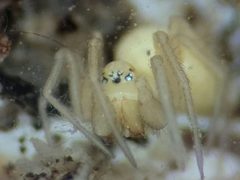
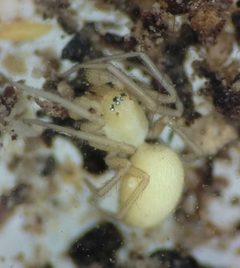
1Masoncus is a of dwarf spiders in the Linyphiidae, first described by Ralph Vary Chamberlin in 1949. The genus contains four distributed in Canada and the United States. One species, Masoncus pogonophilus, has been documented living in nests of the Pogonomyrmex badius, where it feeds on springtails. The genus is part of the diverse sheet-web weaving spider family.
Pronunciation
How to pronounce Masoncus: //ˈmeɪsənkəs//
These audio files are automatically generated. While they are not always 100% accurate, they are a good starting point.
Identification
Masoncus are small-bodied linyphiid spiders requiring microscopic examination for definitive identification. The is distinguished from other North American linyphiid genera by subtle genitalic characters; species-level identification relies on examination of male and female . The myrmecophilic species M. pogonophilus may be recognized in the field by its presence within Pogonomyrmex badius nests.
Images
Habitat
in this occupy ground-level . Masoncus pogonophilus has been documented inhabiting the nests of the Pogonomyrmex badius, suggesting at least some species may be associated with ant colonies.
Distribution
Canada and the United States. Masoncus dux occurs in Canada; M. arienus, M. conspectus, and M. pogonophilus occur in the USA.
Diet
Masoncus pogonophilus has been observed feeding on springtails within nests. Diet of other in the is not documented.
Host Associations
- Pogonomyrmex badius - commensal or mutualisticMasoncus pogonophilus lives within nests of this
Behavior
Masoncus pogonophilus exhibits myrmecophily, living within the nests of Pogonomyrmex badius ants. The nature of this association—whether commensal, mutualistic, or parasitic—has not been fully characterized.
Ecological Role
Masoncus pogonophilus functions as a of springtails within nest , potentially contributing to nutrient cycling or pest regulation within these colonies.
Similar Taxa
- Other Linyphiidae generaMasoncus is morphologically similar to other dwarf spider and requires genitalic examination for separation; the myrmecophilic habit of M. pogonophilus may aid field recognition.
More Details
Taxonomic history
Chamberlin described the in 1949; Masoncus conspectus was originally described in the genus Erigone by Gertsch & Davis in 1936 before transfer to Masoncus.