
Megalepthyphantes
Wunderlich, 1994
Species Guides
1Megalepthyphantes is a of dwarf spiders ( Linyphiidae) established by J. Wunderlich in 1994. The genus comprises seventeen described distributed across Africa, Europe, and Asia. Its type species is Megalepthyphantes nebulosus (Sundevall, 1830), originally described under a different genus. The genus shows a notable concentration of species in the Mediterranean region and Central Asia.
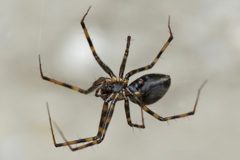
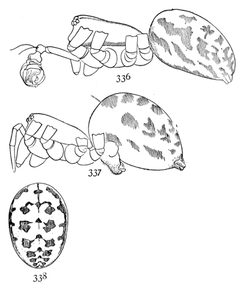
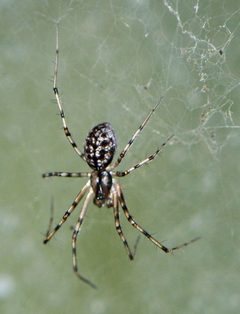
Pronunciation
How to pronounce Megalepthyphantes: //ˌmɛɡəˌlɛpθɪˈfæntiːz//
These audio files are automatically generated. While they are not always 100% accurate, they are a good starting point.
Identification
Members of Megalepthyphantes can be distinguished from related linyphiid by genitalic characters, particularly the structure of the male palp and female epigyne. The genus name suggests relatively large size compared to Lepthyphantes, from which it was separated. Accurate identification to level requires examination of reproductive structures under magnification.
Images
Habitat
occur in diverse terrestrial including grasslands, shrublands, and rocky areas. Specific microhabitat preferences vary by species; for example, Megalepthyphantes collinus inhabits European upland grasslands, while several Algerian and Moroccan species are associated with arid and semi-arid environments.
Distribution
Widespread across the Palearctic region with extensions into North Africa. Documented from: Europe (including Scandinavia, Greece, Crete), North Africa (Algeria, Morocco), Turkey, Cyprus, the Caucasus, Russia (European to Far East), Iran, Azerbaijan, Kazakhstan, Central Asia (Turkmenistan, Uzbekistan, Tajikistan region), Afghanistan, and China. Megalepthyphantes nebulosus has the broadest range, extending to North America (likely introduced).
Ecological Role
As with other Linyphiidae, function as of small in ground and vegetation layers. They contribute to structure in grassland and open .
Similar Taxa
- LepthyphantesMegalepthyphantes was separated from Lepthyphantes based on genitalic ; the two share similar overall body form and preferences, requiring careful examination for differentiation.
- TenuiphantesAnother linyphiid with overlapping distribution and ; distinguished by subtle differences in cheliceral and genitalic structure.
More Details
Taxonomic history
The was erected to accommodate previously placed in Lepthyphantes that showed distinct morphological features, particularly in male palpal and female epigynal structure. Several species were transferred to Megalepthyphantes upon its establishment.
Species diversity hotspots
The highest occurs in the Mediterranean basin (Greece, Algeria, Morocco) and the mountains of Central Asia, suggesting potential centers of diversification in these regions.