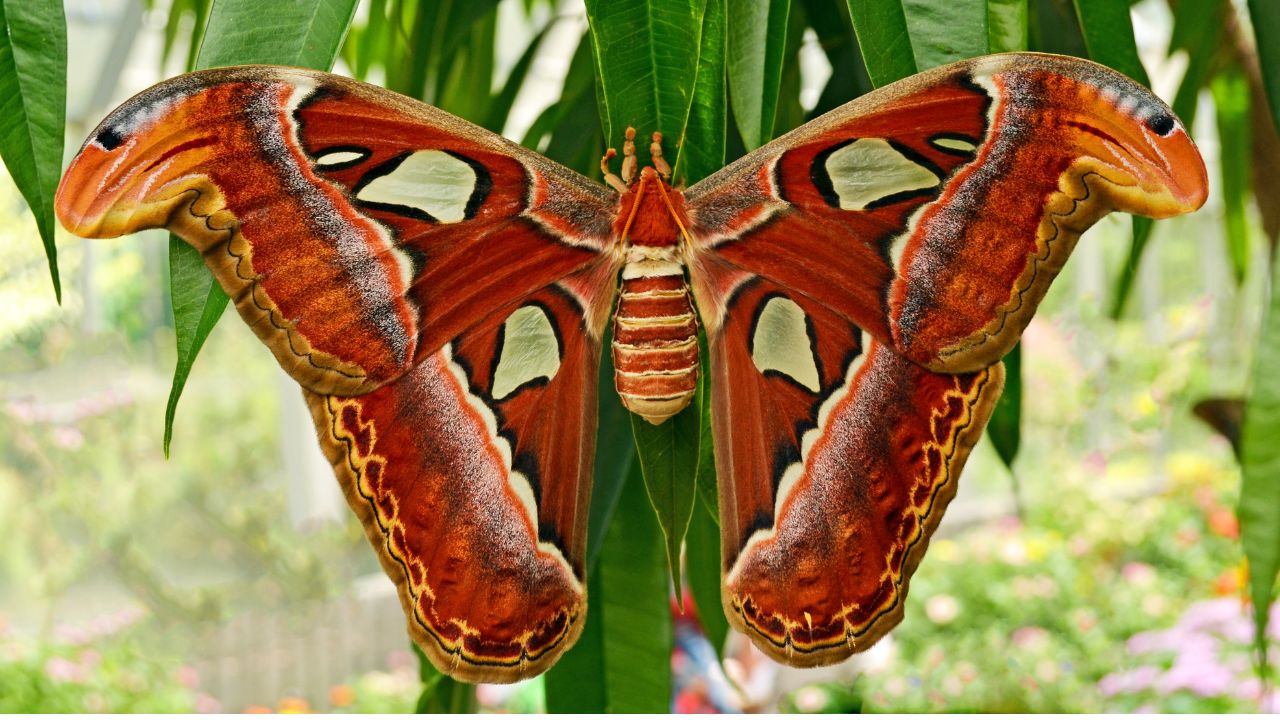
Io moth
Automeris io neomexicana is a subspecies of the Io moth, a large saturniid moth native to North America. The caterpillars possess urticating spines capable of delivering painful stings. Adults display prominent eyespots on the hindwings used to startle predators. This western subspecies occurs in the Great Plains and southwestern regions of the United States and Canada.
repugnant azeta moth
Azeta repugnalis is a moth species in the family Erebidae, commonly known as the repugnant azeta moth. It is classified within the subfamily Erebinae, a diverse group of owlet moths. The species was first described by Jacob Hübner in 1825. It is recorded from North America and has been documented in citizen science observations.
Azeta schausi is a moth species in the family Erebidae, first described by Barnes and Benjamin in 1924. It is native to North America and has been assigned MONA/Hodges number 8576. The species was originally described under the basionym Anticarsia schausi. It should not be confused with Bulia schausi, a different moth species from the family Noctuidae that has been intercepted at U.S. ports of entry.
Bagisara albicosta is a noctuid moth described by Schaus in 1911. It belongs to the subfamily Bagisarinae, a small group of moths whose biology remains poorly documented. The species occurs in North America. Like other members of its genus, it appears to be infrequently encountered and has attracted limited scientific study.
Straight-lined Mallow Moth, Three-lined Bagisera Moth, Straight Lined Mallow Moth
Bagisara rectifascia is a noctuid moth found in North America. It is commonly known as the Straight-lined Mallow Moth due to its distinctive wing pattern. The species was first described by Grote in 1874 under the basionym Schinia rectifascia. It belongs to the subfamily Bagisarinae within the owlet moth family Noctuidae.
Wavy-lined Mallow Moth, Wavy Lined Mallow Moth
Bagisara repanda, commonly known as the Wavy-lined Mallow Moth, is a small noctuid moth with a broad Neotropical and Nearctic distribution. Adults are active year-round in tropical regions, with peak activity in late summer to fall in the southern United States. The species was first described by Johan Christian Fabricius in 1793 and remains relatively understudied despite its wide geographic range.
Baileya acadiana is a moth in the family Nolidae, described by Vernon A. Brou in 2004. The species is restricted to the south-central United States, with records from Alabama, Arkansas, Louisiana, Mississippi, and Texas. Adults exhibit three generations per year in Louisiana, with broods peaking at approximately sixty-day intervals beginning in early April. The specific epithet "acadiana" refers to the Acadiana region of Louisiana, reflecting the area where the type series was collected.
Sleeping Baileya Moth, Sleeping Baileya
Baileya dormitans, commonly known as the sleeping baileya or sleeping baileya moth, is a species of nolid moth in the family Nolidae. First described by Achille Guenée in 1852, this species occurs in North America. The specific epithet 'dormitans' refers to a sleeping or dormant state, reflected in its common name. It is assigned MONA (Moths of North America) or Hodges number 8971.
Balsa is a genus of moths in the family Noctuidae (Noctuoidea), described by Francis Walker in 1860. The genus belongs to the subfamily Noctuinae, one of the largest groups of owlet moths. Records indicate presence in the northeastern United States, particularly Vermont. The genus includes multiple species, though specific biological details for individual species remain poorly documented in available sources.
Three-lined Balsa Moth
Balsa tristrigella, commonly known as the Three-lined Balsa Moth, is a small noctuid moth native to eastern North America. Adults are active from May through August and are characterized by their modest wingspan of 25–30 mm. The species was originally described by Francis Walker in 1866 under the name Garzana tristrigella before being transferred to the genus Balsa. The larval stage feeds specifically on hawthorns (Crataegus species), establishing a clear host-plant relationship with this genus of shrubs and small trees.
Bandelia is a genus of moths established by Lindsey in 1923, currently classified in the family Erebidae. The genus contains two described species: Bandelia angulata and Bandelia dimera. Its taxonomic placement has been revised multiple times, having previously been assigned to Phytometrinae within Erebidae or Acontiinae within Noctuidae. The genus is known from North America.
Baniana minor is a small moth species in the family Erebidae, described by Lafontaine and Walsh in 2010. The species is known from open woodland and grassland scrub habitats in southeastern Arizona, with additional records from Guanacaste Province in Costa Rica. Adults are active during mid-summer in Arizona and have been recorded across multiple months in Costa Rica.
snout moths
Baphala is a genus of snout moths established by Carl Heinrich in 1956. It is currently treated as a junior synonym of Vitula, a genus within the subfamily Phycitinae of the family Pyralidae. The genus originally included seven described species, with Baphala pallida (Comstock, 1880) being among the earliest described. Species originally placed in Baphala are now classified under Vitula.
Baptarma is a genus of moths in the family Noctuidae, subfamily Heliothinae. The genus was established by Smith in 1904 and contains at least one described species, Baptarma felicita. As a heliothine noctuid, it belongs to a diverse group of moths often associated with agricultural habitats.
Barbara mappana is a species of tortricid moth described by Freeman in 1941. It is known to occur in North America, with documented records from Vermont and other parts of the United States. The species has been reported in association with white spruce cones, though it is considered to be of minor economic or ecological importance relative to other insects that feed on this host plant.
Batrachedra busiris is a small moth species in the family Batrachedridae, described by Hodges in 1966. It is known from Florida, United States, with 56 observations documented on iNaturalist. The species belongs to a family of gelechioid moths characterized by slender bodies and relatively narrow wings.
Black-faced Twirler Moth
Battaristis nigratomella is a small moth in the family Gelechiidae, commonly known as the Black-faced Twirler Moth. It is widely distributed across eastern and central North America, with records spanning from Quebec to Texas and Florida to Minnesota. Adults are active from early spring through autumn. The species is readily identified by its distinctive wing pattern of white forewings with pale brown apical markings.
stripe-backed moth, Orange Stripe-backed Moth
A small gelechiid moth with a wingspan of 8–10 mm, recorded from the eastern United States and southern Canada. First described by Busck in 1916 under the basionym Duvita vittella. The species is relatively well-documented with over 1,600 iNaturalist observations.
Benjaminiola is a monotypic genus of moths in the family Noctuidae, established by Strand in 1928. The genus contains a single species, Benjaminiola colorada. As a noctuid moth, it belongs to one of the largest families of Lepidoptera, commonly known as owlet moths.
Blastodacna is a genus of small moths in the family Elachistidae, first described by Wocke in 1876. The genus contains approximately 15 recognized species distributed primarily across the Holarctic region, with the majority of species occurring in the Palearctic. Taxonomic placement of this genus has been disputed, with some authorities historically assigning it to Agonoxenidae or recognizing it as the separate family Blastodacnidae. The genus includes several species associated with fruit trees, notably Blastodacna pyrigalla, which is known as a pest of pear.
Apple Pith Moth
Blastodacna atra, commonly known as the apple pith moth, is a small moth in the family Elachistidae. It is native to most of Europe and has been introduced to North America, where it has been recorded in Massachusetts and Ontario. The species is notable for its larval habit of mining inside the young shoots of apple trees (Malus species), which can cause localized damage to orchards. Adults are active from May through September in western Europe.
Blepharomastix achroalis is a small crambid moth distributed across the Caribbean and southeastern United States. Originally described as Pyrausta achroalis by Hampson in 1913, it has been reclassified to the genus Blepharomastix. The species exhibits a multivoltine flight pattern in Florida, with adult activity spanning most of the year except April and September.
Blepharomastix potentalis is a small crambid moth described from Arizona in 1914. It is a rarely encountered species with limited documentation, known from only a handful of observations. The species belongs to a genus of grass moths whose larvae generally feed on grasses and sedges.
Bleptina flavivena is a species of moth in the family Erebidae, subfamily Herminiinae, described by Troubridge in 2020. It belongs to a genus of litter moths, though specific details about its biology remain limited due to its recent description. The species epithet 'flavivena' suggests a yellowish vein pattern on the wings, a characteristic feature of this taxon.
Bondia is a genus of moths in the family Carposinidae, established by Newman in 1856. Carposinidae are a small family of Lepidoptera commonly known as fruitworm moths, though specific ecological details for Bondia remain limited. The genus is part of the superfamily Carposinoidea and is recognized in major taxonomic databases including Catalogue of Life and NCBI.
Bondia shastana is a small moth in the family Carposinidae, described by Donald R. Davis in 1969. The species name references Mount Shasta, California, the type locality. Adults are active during multiple periods throughout the year, with flight records spanning spring, summer, and early autumn.
Borkhausenia is a genus of concealer moths in the family Oecophoridae, described by Jacob Hübner in 1825. It belongs to the subfamily Oecophorinae and is probably closely related to Hofmannophila (brown house moth). The genus has a cosmopolitan distribution with species recorded from Europe, Australia, South America, North America, Africa, and Asia. Several other oecophorid genera, including Schiffermuelleria and Metalampra, have historically been included in Borkhausenia. The genus contains approximately 50 described species, though taxonomic boundaries have shifted over time.
Brachylomia populi is a noctuid moth species first described by Strecker in 1898. It inhabits the inland mountain regions of western North America, with larvae that feed specifically on cottonwood, aspen (Populus), and oak (Quercus) leaves. The species has a wingspan of approximately 30 mm and is known from 133 iNaturalist observations.
Brachylomia sierra is a moth species in the family Noctuidae, described in 2007 by James T. Troubridge and J. Donald Lafontaine. It is native to North America and has been assigned the MONA/Hodges number 9997.1. The species belongs to the genus Brachylomia, a group of noctuid moths. Very little specific ecological or biological information has been published for this recently described species.
Bryolymnia marti is a small noctuid moth described by Richard Holland in 2010. It is known from a restricted range in the southwestern United States and northern Mexico. Adults are active during early summer and have been collected exclusively in conifer forest habitats. The species is one of several recently described members of the genus Bryolymnia.
Bryotropha galbanella is a small gelechiid moth with a broad distribution across northern Europe, extending eastward to Russia and Japan, and westward to Alaska and extreme north-western Canada. The species exhibits sexual dimorphism in wingspan, with males measuring 14–18 mm and females 13–16 mm. Larvae are specialized feeders on mosses, particularly Dicranum scoparium, and construct silken tubes for shelter. The species has been incorrectly recorded from Chile.
obscure neb
Bryotropha similis is a small gelechiid moth with a Holarctic distribution spanning northern Europe, Greenland, Iceland, and the Palaearctic region. The species has a wingspan of 11–13 mm and exhibits distinctive wing patterning with dark fuscous forewings and faint pale markings. Adults are active from early June to late August, likely in a single annual generation. The species is known from the iNaturalist community as the 'obscure neb'.
Bucculatrix cerina is a small moth in the family Bucculatricidae, commonly known as ribbed cocoon-maker moths. It was first described in 1963 by lepidopterist Annette Frances Braun. The species is known only from Florida in North America, with adult records from January and November. Like other members of its genus, it likely has a specialized leaf-mining larval stage and constructs distinctive ribbed cocoons for pupation, though these life history details have not been directly documented for this species.
Crowned Bucculatrix Moth
Bucculatrix coronatella is a small moth in the family Bucculatricidae, first described by Clemens in 1860. It is commonly known as the Crowned Bucculatrix Moth. The species is found in eastern North America, with records spanning from New England through the mid-Atlantic states and into the Southeast. Like other members of its genus, it is referred to as a 'ribbed cocoon-maker moth' due to the distinctive ribbed structure of its larval cocoon.
Bucculatrix insolita is a species of ribbed cocoon-making moth in the family Bucculatricidae. It was described by Annette Frances Braun in 1918 and is known from California, North America. Like other members of its genus, it is a small moth with distinctive larval habits.
Bucculatrix sororcula is a micro-moth in the family Bucculatricidae, first described by Annette Frances Braun in 1963. It is recorded from Arizona and California in western North America. Members of this genus are commonly known as ribbed cocoon-maker moths due to the distinctive ribbed structure of their larval cocoons. The family Bucculatricidae is a small group of leaf-mining moths within the superfamily Gracillarioidea.
Bulia is a genus of moths in the family Erebidae, established by Walker in 1858. The genus contains six recognized species distributed in the Americas, with at least one species (Bulia schausi) documented as an agricultural pest intercepted at U.S. ports of entry. Species in this genus were historically classified in Noctuidae but have been reassigned to Erebidae following modern taxonomic revisions.
Deduced Graphic
Bulia deducta is a moth in the family Erebidae, subfamily Calpinae, first described by Herbert Knowles Morrison in 1875. It is distributed across western and central North America from central Mexico northward to the Great Plains and western United States. The species is notable for its association with Prosopis (mesquite) as a larval host plant and its extended adult flight season in arid regions.
Similar Graphic
Bulia similaris is a moth in the family Erebidae, subfamily Calpinae, described by Richards in 1936. It is native to arid and semi-arid regions of the southwestern United States and northern Mexico. The species has a wingspan of approximately 32 mm. It is not known to be an agricultural pest, unlike some congeners.
Four-lined Cream Moth, Four-lined Cabera Moth
Cabera quadrifasciaria, commonly called the Four-lined Cream Moth, is a North American geometrid moth in the family Geometridae. The species was described by Packard in 1873. It is assigned Hodges number 6680 in the MONA (Moths of North America) numbering system. The common names reference the four pale lines that characterize the wing pattern of this cream-colored moth.
Cactobrosis is a genus of snout moths in the subfamily Phycitinae, erected by Harrison Gray Dyar Jr. in 1914. Its taxonomic status is disputed: some sources treat it as a valid genus, while others synonymize it with Zophodia. The genus contains four described species, including C. fernaldialis, C. insignatella, C. longipennella, and C. maculifera.
Vetch Looper Moth
Caenurgia chloropha, commonly known as the vetch looper moth, is a nocturnal moth species in the family Erebidae. Adults are active from spring through fall with multiple generations per year. The species is distributed across the southeastern United States, northern Mexico, and Cuba, with occasional strays reaching southern Ontario. Larvae feed on leguminous plants including vetch.
Caenurgia togataria is a moth species in the family Erebidae, first described by Francis Walker in 1862. It is distributed across the southern United States and Mexico. The species has a wingspan of approximately 37 mm. It belongs to the subfamily Erebinae, a diverse group of moths commonly known as underwings and related forms.
Clover Looper, Range Grass Moth
Caenurgina crassiuscula, commonly known as the Clover Looper or Range Grass Moth, is a widespread moth species in the family Erebidae. First described by Adrian Hardy Haworth in 1809, it occurs across much of North America from coast to coast, with western populations extending into Alaska, Yukon, and the Northwest Territories. Adults are active for much of the year, with flight periods varying by location from March through November. The species is notable for its larval association with clover and various grasses.
Brown Scoopwing, brown scoopwing moth
Calledapteryx dryopterata, the Brown Scoopwing, is a moth species in the family Uraniidae and the sole member of its genus. It is found in the eastern United States. The species was first described by Augustus Radcliffe Grote in 1868. It belongs to a small family of moths that includes both day-flying and night-flying species, some with distinctive wing shapes.
Callistege diagonalis is a small moth in the family Erebidae, first described by Harrison Dyar in 1898. It is known from the southwestern United States, particularly Arizona and New Mexico. The species has a wingspan of approximately 28 mm. It belongs to a genus of underwing-like moths whose members are often characterized by distinctive wing patterns.
Callistege triangula is a moth in the family Erebidae, first described in 1918. It occurs in the southwestern United States, with documented records from Arizona, New Mexico, and Texas. Adults are active during late summer, with flight records from August to September. The species has a wingspan of approximately 30 mm.
Gray Scoopwing, gray scoopwing moth
Callizzia amorata, commonly known as the gray scoopwing moth, is a swallowtail moth in the family Uraniidae. It is found across North America from the Pacific coast to the Atlantic. Adults are most frequently observed during late spring and summer months. The species is recognized by its distinctive wing posture and patterning.
silver-spotted fern moth
Callopistria cordata, commonly known as the silver-spotted fern moth, is a noctuid moth species described by Ljungh in 1825. It belongs to the subfamily Eriopinae within the owlet moth family Noctuidae. The species is documented from North America, with specific occurrence records from Manitoba, Canada and Vermont, United States. It is a relatively well-observed species with over 2,600 iNaturalist records.
Calosima is a genus of gelechioid moths in the family Blastobasidae, established by Dietz in 1910. The genus belongs to the diverse superfamily Gelechioidea, which contains numerous small moth species often characterized by narrow wings and cryptic coloration. As a blastobasid genus, Calosima species are likely small to minute in size with relatively inconspicuous appearance. The genus has been documented in various regions with 186 iNaturalist observations recorded.