
Caenurgina crassiuscula
Haworth, 1809
Clover Looper, Range Grass Moth
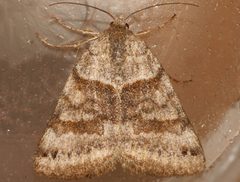
Caenurgina crassiuscula, commonly known as the Clover Looper or Range , is a widespread in the Erebidae. First described by Adrian Hardy Haworth in 1809, it occurs across much of North America from coast to coast, with western extending into Alaska, Yukon, and the Northwest Territories. are active for much of the year, with periods varying by location from March through November. The species is notable for its larval association with clover and various grasses.
Pronunciation
How to pronounce Caenurgina crassiuscula: //kaɪˈnɜːr.dʒɪ.nə krəsˈiːə.skjuːlə//
These audio files are automatically generated. While they are not always 100% accurate, they are a good starting point.
Identification
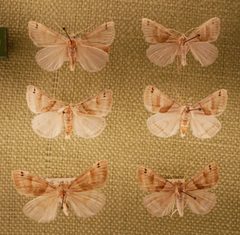
Wingspan 30–40 mm. Distinguished from similar loopers in the Caenurgina by specific wing pattern and ; C. erechtea (Forage Looper) is similar but may be separated by subtle differences in forewing markings and geographic overlap.
Images
Habitat
Associated with open including grasslands, meadows, agricultural fields, and lawns where plants occur.
Distribution
Coast to coast in the United States; adjacent Canada from British Columbia to the Atlantic provinces; western range extends to Northwest Territories, Yukon, and Alaska.
Seasonality
on wing March to November depending on location; multivoltine with extended period.
Diet
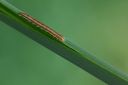
Larvae feed on various of clover (Trifolium), grasses, and lupine (Lupinus).
Ecological Role
Larval herbivore on legumes and grasses; contributes to nutrient cycling in grassland and meadow .
Human Relevance
Larvae may occasionally affect clover crops and pasture grasses; generally not considered a significant agricultural pest.
Similar Taxa
- Caenurgina erechteaSimilar size, preference, and larval diet; distinguished by forewing pattern details and subtle morphological differences
- Caenurgina distinctaFormerly considered distinct but now synonymized; historically confused with C. crassiuscula