
Bulia similaris
Richards, 1936
Similar Graphic
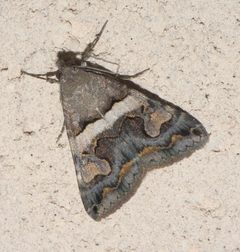
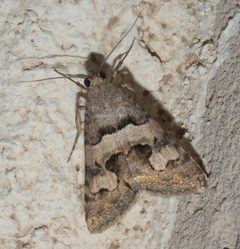
Pronunciation
How to pronounce Bulia similaris: /ˈbjuː.liə ˌsɪ.məˈlar.ɪs/
These audio files are automatically generated. While they are not always 100% accurate, they are a good starting point.
Identification
The can be distinguished from related Bulia species by geographic range and subtle morphological differences. Definitive identification requires examination of genitalia or reference to original description by Richards (1936).
Images
Habitat
Arid and semi-arid environments in the southwestern United States and northern Mexico, including desert scrub and adjacent agricultural areas.
Distribution
Native range extends from southern California south to Baja California, east to southern Arizona, northwestern Sonora, western Texas, and eastern Mexico.
Human Relevance
Not known to be an agricultural pest. Related in the , such as Bulia schausi, have been intercepted at U.S. ports of entry in commercial produce shipments and are considered potential threats to agriculture.
Similar Taxa
- Bulia schausiSimilar congeneric ; distinguished by geographic distribution (northwestern Mexico) and morphological features. Bulia schausi has been intercepted as an pest at U.S. ports, whereas B. similaris is native to the southwestern U.S.