
Balsa tristrigella
Walker, 1866
Three-lined Balsa Moth
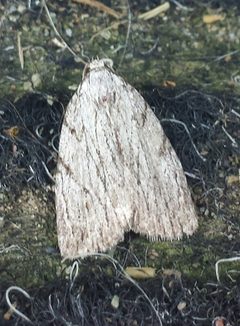
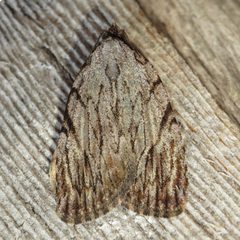
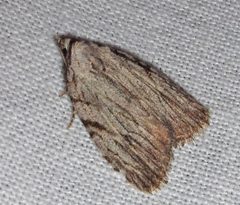
Balsa tristrigella, commonly known as the Three-lined Balsa , is a small noctuid moth native to eastern North America. are active from May through August and are characterized by their modest wingspan of 25–30 mm. The was originally described by Francis Walker in 1866 under the name Garzana tristrigella before being transferred to the Balsa. The larval stage feeds specifically on hawthorns (Crataegus species), establishing a clear -plant relationship with this genus of shrubs and small trees.
Pronunciation
How to pronounce Balsa tristrigella: //ˈbalsa ˌtrɪs.trɪˈdʒɛl.lə//
These audio files are automatically generated. While they are not always 100% accurate, they are a good starting point.
Identification
The can be recognized by its small size (wingspan 25–30 mm) and the three longitudinal lines referenced in its , though precise pattern details require examination of specimens or images. The Balsa is distinguished from related noctuid genera by genitalic and wing venation characters; species-level identification within Balsa relies on subtle differences in forewing pattern and genitalia structure. B. tristrigella specifically is the type species of the genus and is distinguished from the only other , B. , by differences in forewing pattern and male genitalia.
Images
Appearance
A small with a wingspan of 25–30 mm. Specific coloration and pattern details beyond the reference to three lines are not documented in available sources.
Habitat
Associated with supporting its larval plants, Crataegus . Hawthorns occur in diverse environments including forest edges, old fields, hedgerows, and open woodlands. Specific habitat preferences for the itself are not documented.
Distribution
Eastern North America. Specific records include Vermont and broader distribution across the eastern United States and adjacent Canada. The precise northern and southern range limits are not well documented.
Seasonality
are on wing from May to August, indicating a or possibly with peak activity during summer months.
Diet
Larvae feed on Crataegus (hawthorns). feeding habits are not documented.
Host Associations
- Crataegus - larval plantSpecific Crataegus not identified; -level association only
Life Cycle
Complete with , larval, pupal, and stages. Larvae feed on Crataegus foliage. Timing of egg-laying, larval development, and are not documented. Adults emerge May–August.
Behavior
are , as is typical for Noctuidae. Specific behavioral observations such as activity patterns, mating , or larval habits are not documented.
Ecological Role
As a herbivore on Crataegus, larvae contribute to energy flow in shrub-layer . The likely serves as prey for insectivorous birds, bats, and other , though specific predator relationships are not documented.
Human Relevance
No documented economic importance. The is not considered a pest of cultivated hawthorns. Occasional specimens are collected by lepidopterists and documented through citizen science platforms.
Similar Taxa
- Balsa labellaOnly other in Balsa; distinguished by forewing pattern and male genitalia
- Other small NoctuinaeSimilar size and general appearance; requires genitalic examination or detailed wing pattern analysis for reliable separation
More Details
Taxonomic history
Originally described as Garzana tristrigella by Walker in 1866, later transferred to Balsa. The genus Balsa was established to accommodate previously misplaced in other noctuid genera.
Observation frequency
Over 3,000 observations documented on iNaturalist, indicating the is moderately well-recorded by citizen scientists despite its small size and habits.
Sources and further reading
- BugGuide
- Wikipedia
- GBIF taxonomy match
- iNaturalist taxon
- NCBI Taxonomy
- Catalogue of Life
- Grasshopper Collections and Survey
- Aphytis Project Final Report | Entomology Research Museum
- Remounting Procedure for Aphytis | Entomology Research Museum
- The Pest Management Methods That Deliver Picture-Perfect Christmas Trees
- The lesser of two jewels | Beetles In The Bush
- Redefining genera across the legume subfamily Caesalpinioideae