
Bagisara albicosta
Schaus, 1911
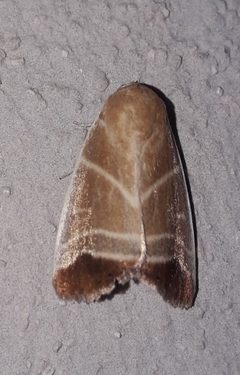
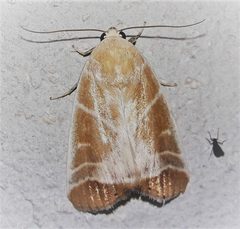
Bagisara albicosta is a noctuid described by Schaus in 1911. It belongs to the Bagisarinae, a small group of moths whose remains poorly documented. The occurs in North America. Like other members of its , it appears to be infrequently encountered and has attracted limited scientific study.
Pronunciation
How to pronounce Bagisara albicosta: /bəˈd͡ʒɪsərə ælbiˈkɔstə/
These audio files are automatically generated. While they are not always 100% accurate, they are a good starting point.
Identification
The Bagisara is distinguished from similar noctuids by features of the male genitalia, including a distinctive valve structure. -level identification within Bagisara requires examination of genitalic and comparison of forewing pattern elements, particularly the pale costal streak referenced in the specific epithet "albicosta" (white ).
Images
Distribution
North America. GBIF records indicate presence in this region, though specific locality data within the provided sources are limited.
Similar Taxa
- Bagisara buxeaCongeneric in the same , distinguished by differences in forewing pattern and male genitalia structure.
- Other NoctuidaeBagisara may be confused with general noctuid in blacklight ; Bagisarinae placement requires genitalic examination for confirmation.
More Details
Taxonomic context
Bagisarinae is a small within Noctuidae containing approximately 20 described across several . The subfamily has been historically understudied, and larval associations remain unknown for most species, including B. albicosta.
Sources and further reading
- BugGuide
- GBIF taxonomy match
- iNaturalist taxon
- Catalogue of Life
- How Many Species of Moths at Bohart Museum's Moth Night? | Bug Squad
- Striacosta albicosta Archives - Entomology Today
- Whodunit? Solving Corn Pest Mysteries When Suspects Have Fled the Scene
- The Problems Driving Resistance to Bt Crops—and Some Proposed Solutions