
Bagisarinae
Crumb, 1956
Genus Guides
3Bagisarinae is a of within the Noctuidae, established by Crumb in 1956. The subfamily contains a single , Bagisara, which comprises approximately 20 described distributed primarily in the New World. These moths are classified within the superfamily Noctuoidea and are characterized by distinctive morphological features that separate them from other noctuid subfamilies. The group has received limited specialized study, and many aspects of its remain poorly documented.
Pronunciation
How to pronounce Bagisarinae: /bæˈdʒɪsəˌraɪniː/
These audio files are automatically generated. While they are not always 100% accurate, they are a good starting point.
Identification
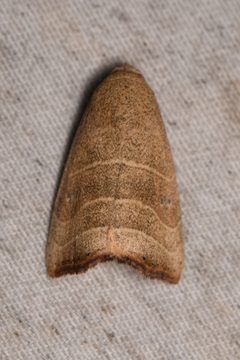
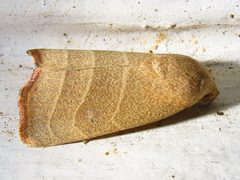
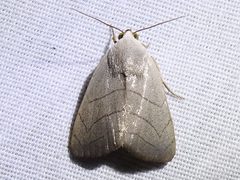
Members of Bagisarinae can be distinguished from other Noctuidae by genitalic characteristics, particularly in the male valvae structure. The Bagisara exhibits forewing patterns with variable brown, gray, and ochre coloration, often with distinct and spots. The subfamily is defined primarily on internal morphological features rather than external appearance, making field identification to subfamily level impractical without dissection.
Images
Distribution
of Bagisara occur from the southern United States through Mexico, Central America, and into South America, with the highest diversity in tropical and subtropical regions. Records extend from Arizona and Texas southward through the Neotropics.
Similar Taxa
- EriopinaeBoth are small, specialized within Noctuidae with limited ; Eriopinae differs in having more pronounced wing fringes and different genitalic structure.
- RivulinaeSometimes confused due to similar general body form; Rivulinae typically show more prominent labial palps and different wing venation patterns.