Eriopinae
Genus Guides
1- Callopistria(Fern Moths)
Eriopinae is a of within the Noctuidae, part of the superfamily Noctuoidea. Members are small to medium-sized moths. The subfamily contains relatively few described and has been subject to taxonomic revision, with some historically moved between subfamilies. Eriopinae moths are primarily distributed in the Holarctic region.

Identification
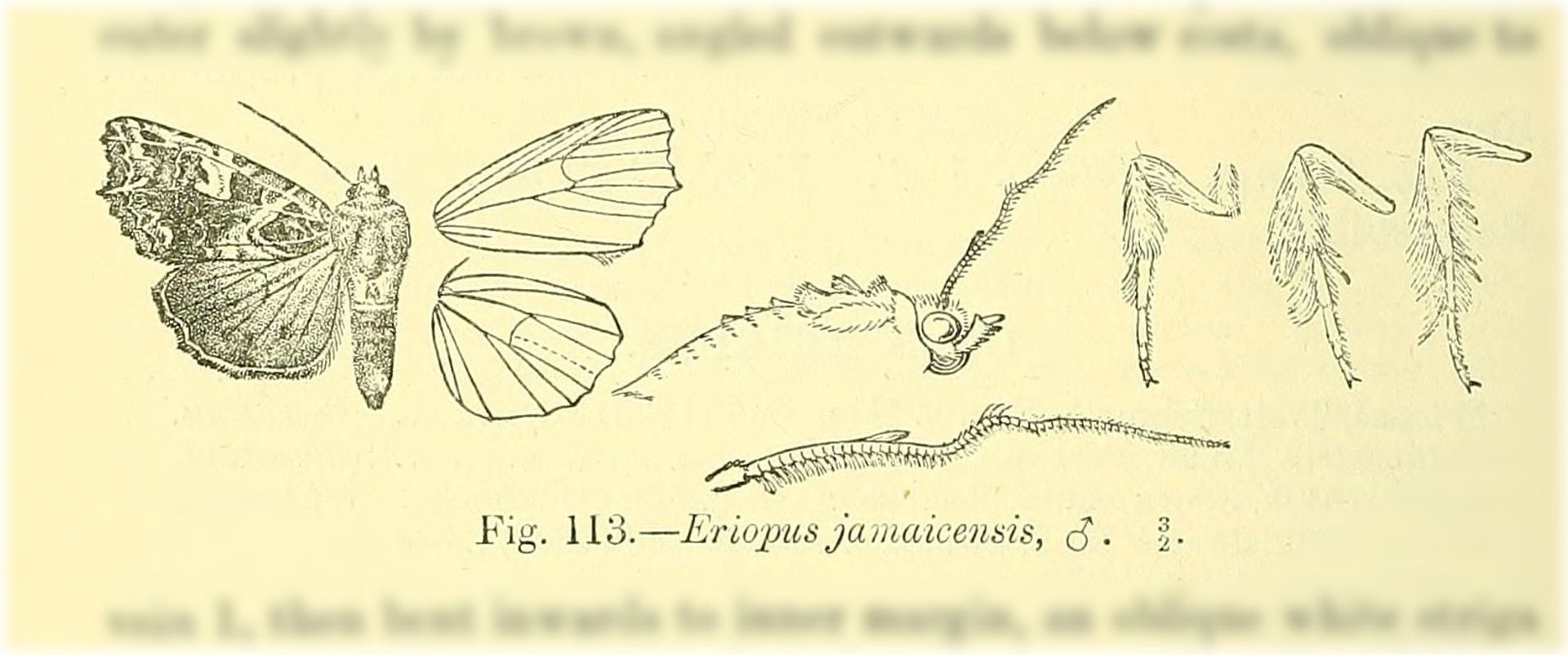
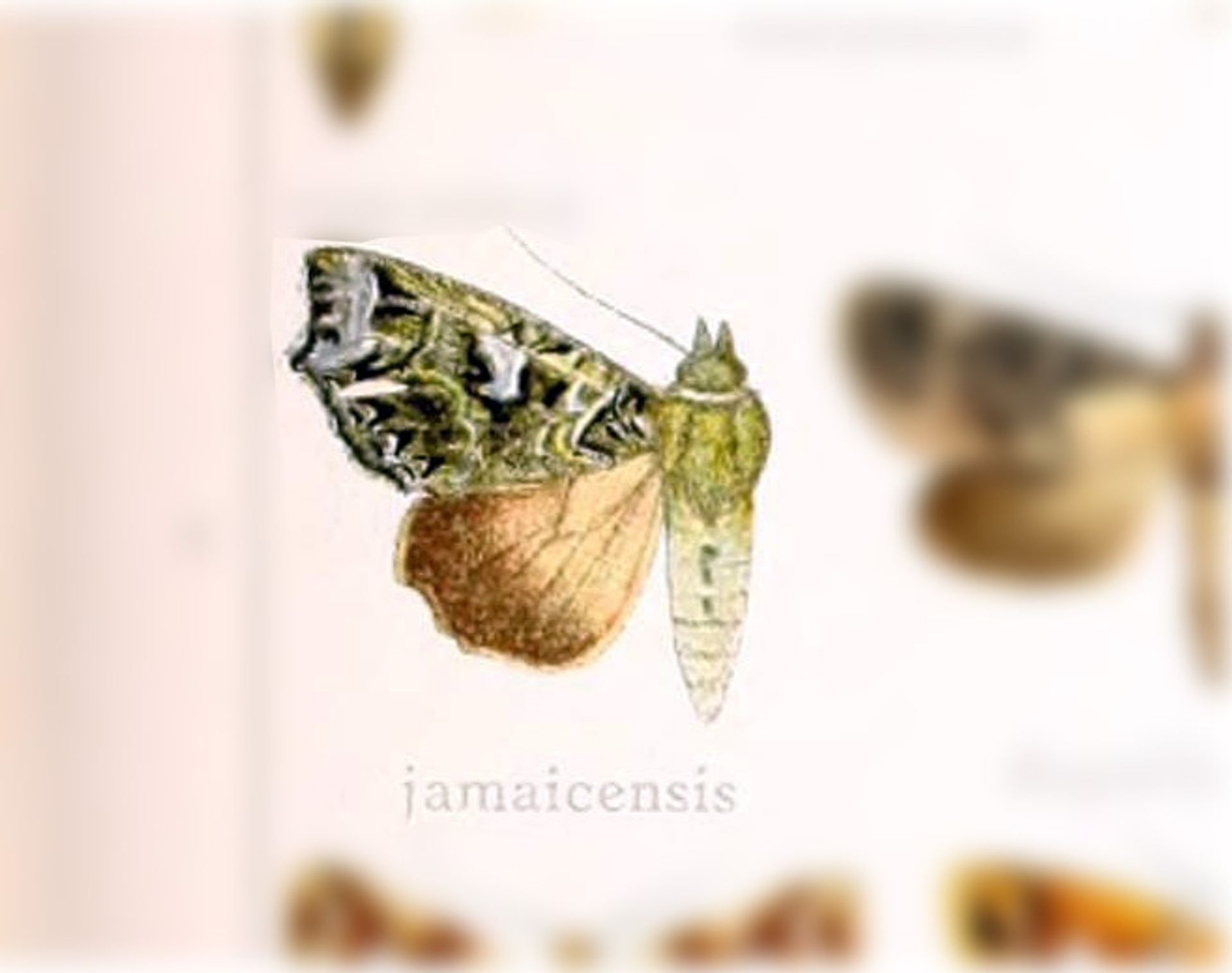
Eriopinae are distinguished from other Noctuidae by a combination of genitalic and wing venation characters. Males possess reduced or modified foreleg . Wing patterns tend toward subdued brown or gray tones with reduced maculation compared to many noctuines. Accurate identification to subfamily level requires dissection and examination of genitalia structures.
Images
Habitat
Associated with forested and shrubland . Larval include various woody plants, particularly in the Rosaceae and Salicaceae. Specific microhabitat preferences vary by and .
Distribution
Primarily Holarctic distribution, with records from North America and Eurasia. Greatest diversity in temperate regions of the Northern Hemisphere.
Seasonality
are active primarily during late spring through summer, with periods varying by latitude and elevation. Most are or partially .
Host Associations
- Rosaceae - larval has been observed on various including Rubus
- Salicaceae - larval includes Salix and Populus as documented
Behavior
are and attracted to light. Larvae are external feeders on foliage of plants. occurs in soil or leaf litter.
Ecological Role
Larvae function as primary consumers, feeding on woody plant foliage. serve as prey for including bats and birds.
Human Relevance
Limited direct economic impact. Occasionally reported as minor defoliators of ornamental or fruit trees in the Rosaceae, though damage is rarely significant.
Similar Taxa
More Details
Taxonomic History
The circumscription of Eriopinae has changed substantially with molecular phylogenetic studies. Some formerly placed here have been reassigned to other , and the current concept of Eriopinae is narrower than historical treatments.
Research Status
Eriopinae remains relatively understudied compared to larger noctuid . data are sparse for many , and larval records are incomplete.