
Rivulinae
Grote, 1895
Genus Guides
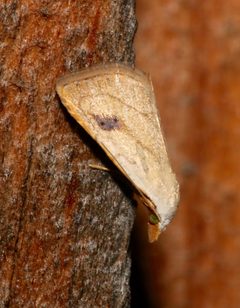
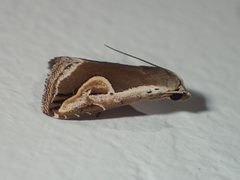
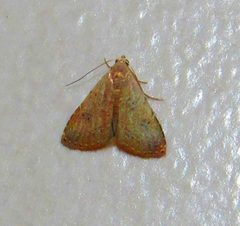
3Rivulinae is a of in the Erebidae, established by Augustus Radcliffe Grote in 1895. The subfamily is characterized by distinctive larval and morphological features: caterpillars possess long, barbed hairs and retain full on abdominal segments 3 through 6, while adults exhibit a unique microsculpturing . Taxonomic placement has been revised; Rivulinae was formerly classified within Hypeninae or Noctuidae but is now retained in Erebidae based on phylogenetic studies. The subfamily includes approximately 8 recognized , with members distributed across multiple continents.
Pronunciation
How to pronounce Rivulinae: //rɪˈvjuːlɪniː//
These audio files are automatically generated. While they are not always 100% accurate, they are a good starting point.
Identification
Rivulinae can be distinguished from other Erebidae by the microsculpturing on the . Larvae are recognizable by the combination of long, barbed hairs and the presence of full on abdominal segments 3–6. Formerly confused with Hypeninae, but phylogenetic studies have clarified their separate status within Erebidae.
Images
Distribution
Members occur across multiple continents including Europe, Africa, and Asia. Specific distribution varies by ; for example, Zebeeba falsalis has a Mediterranean distribution extending from Southwest Europe and North Africa to the Middle East, with recent northward expansion into Hungary (first recorded 2020).
Life Cycle
Development includes , larva (caterpillar with characteristic barbed hairs and configuration), pupa, and stages. Specific details vary by and .
Behavior
are and attracted to light. At least some (e.g., Zebeeba falsalis) exhibit activity in June.
Ecological Role
Larvae are herbivores; at least some feed on Asparagus species. Range expansion in some species has been linked to climate warming.
Human Relevance
Some may serve as indicators of climate change due to documented range shifts (e.g., northward expansion of Mediterranean species into Central Europe).
Similar Taxa
- HypeninaePreviously classified together; distinguished by phylogenetic relationships and microsculpturing unique to Rivulinae.
- Noctuidae (former placement)Formerly placed in this ; now distinguished by retained placement in Erebidae and characteristic larval and setal .
Misconceptions
The name 'Rivulinae' has been used for both this (Erebidae: Lepidoptera) and a subfamily of fish (formerly Cyprinidontidae, now typically Aplocheilidae). These are entirely unrelated and should not be conflated.
More Details
Sources and further reading
- BugGuide
- Wikipedia
- iNaturalist taxon
- Catalogue of Life
- Zebeeba falsalis (Herrich-Schäffer, 1839) (Erebidae, Rivulinae) magyarországi előfordulása
- Noctuoidea: Erebidae: Lymantriinae, Rivulinae, Scoliopteryginae, Thiacidinae, Tinoliinae, Toxocampinae, undetermined subfamily
- Experimentelle Untersuchungen an Rivulus cylindraceus (Cyprinidontidae, Rivulinae) zum Einfluß subletaler Konzentrationen ionogener Detergentien auf Embryonen, Larven und Jungfische