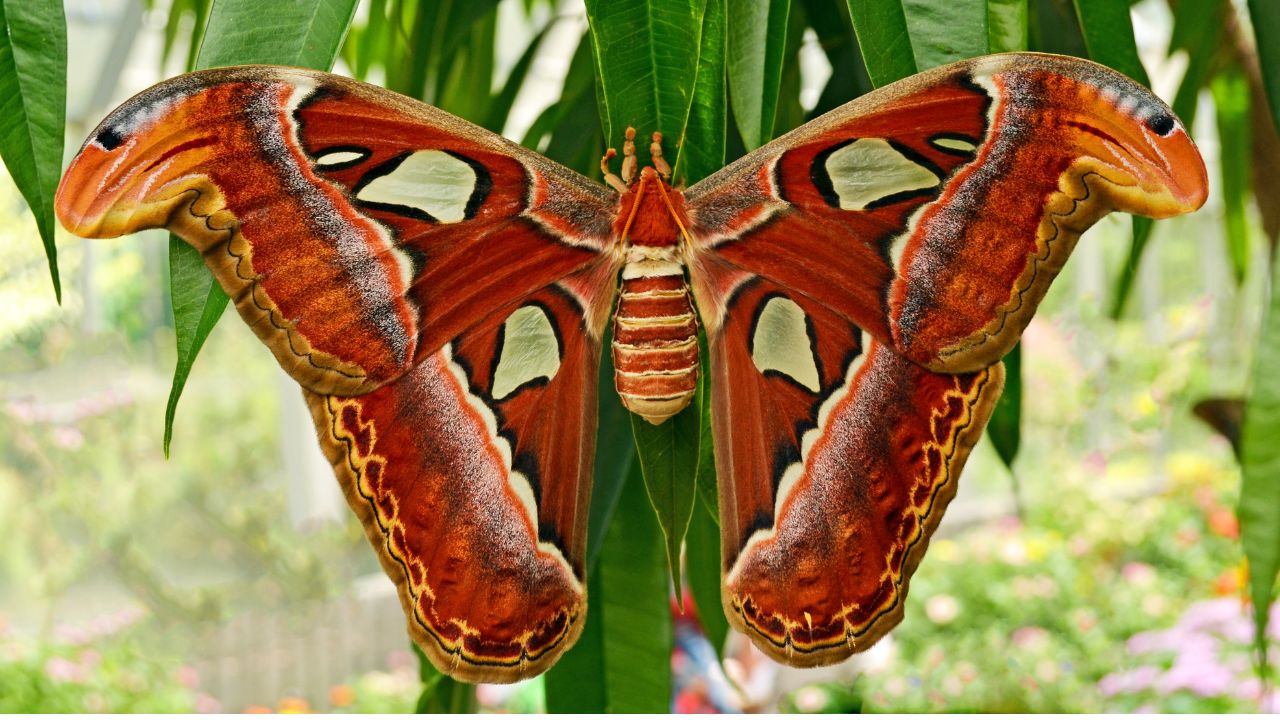
Sooty Scoparia Moth
Scoparia cinereomedia is a small crambid moth described by Harrison Gray Dyar Jr. in 1904. It occurs across eastern and central North America from British Columbia to the Atlantic coast, with records spanning from Kentucky to Nova Scotia. Adults are active from May through August and are attracted to light. The species is one of numerous small, dull-colored moths in the genus Scoparia, which are often challenging to identify without close examination.
Scoparia normalis is a small crambid moth described by Harrison Gray Dyar Jr. in 1904. It is known from a disjunct distribution across the western United States (Arizona, Colorado, New Mexico, Utah) with an isolated eastern record from North Carolina. Adults are active during summer months, with flight records from July through September. The species has a wingspan of approximately 26 mm and exhibits distinctive gray forewings with complex black patterning.
Scoparia rigidalis is a small moth in the family Crambidae, described by William Barnes and James Halliday McDunnough in 1912. The species is known from Arizona in North America. Adults have a wingspan of approximately 22 mm and are active from August to September. The forewings display distinctive purplish-brown coloration with contrasting pale markings.
Imitator Wave, Rival Wave
Scopula aemulata is a small moth in the family Geometridae, commonly known as the imitator wave or rival wave. The species was described by George Duryea Hulst in 1896 and has a restricted distribution in the southeastern United States. It is one of approximately 237 observations recorded on iNaturalist, indicating it is encountered with moderate frequency by citizen scientists and naturalists.
angled wave moth, pointed-winged wave
Scopula ancellata is a geometrid moth species first described by George Duryea Hulst in 1887. It is found across much of North America, from Quebec west to the Northwest Territories and British Columbia, and south to Michigan, Indiana, and Arizona. The species inhabits mixed wood and coniferous forests. Adults are small moths with a wingspan of approximately 23 mm. The larvae have been recorded feeding on Melilotus alba and Alnus tenuifolia.
Frosted Tan Wave
Scopula cacuminaria, commonly known as the frosted tan wave, is a small geometrid moth described by Herbert Knowles Morrison in 1874. Adults have a wingspan of 18–23 mm and are active in July in Alberta, Canada. The species occurs across southern Canada from the Maritimes to southern British Columbia, extending south to Texas.
Frigid Wave
Scopula frigidaria is a small geometrid moth distributed across boreal regions of northern Eurasia and North America. Adults have a wingspan of 21–23 mm and are active from late May through June. The species exhibits a univoltine life cycle with larvae feeding exclusively on bilberry (Vaccinium myrtillus). Larvae overwinter in the larval stage, with development spanning from July through May of the following year. Two subspecies are recognized: the nominate form and S. f. schoyeni restricted to the Kola Peninsula and Fennoscandia.
Scopula fuscata is a moth in the family Geometridae, first described by George Duryea Hulst in 1887. It is distributed across western North America from southwestern Saskatchewan through British Columbia and southward to California and Arizona. The species inhabits montane environments including foothill regions. Adults have a wingspan of 24–28 mm.
Small Frosted Wave, small frosted wave moth
Scopula lautaria, commonly known as the small frosted wave moth, is a species of geometrid moth described by Jacob Hübner in 1831. It is a member of the family Geometridae, which includes the inchworm moths, and belongs to the subfamily Sterrhinae. The species is distributed across parts of North America, particularly in the southeastern United States.
Scopula luteolata is a small moth in the family Geometridae, subfamily Sterrhinae. It is restricted to western North America, occurring in montane habitats from southwestern Canada through the western United States. The species is associated with forest edge and opening habitats in mountainous regions. Adults have a wingspan of 23–26 mm. Like other geometrid moths, its larvae are likely 'inchworm' type caterpillars, though specific host plant associations remain poorly documented.
Four-lined Wave Moth, four-lined wave
Scopula quadrilineata, commonly known as the four-lined wave, is a small moth in the family Geometridae native to North America. The species is characterized by its distinctive wing pattern featuring four lines, from which its common name is derived. It occurs across a broad range from eastern Canada through the Great Plains and south to the southeastern United States, with an isolated population recorded in British Columbia.
Scopula sentinaria is a geometrid moth with a transcontinental distribution spanning northern North America and northern Eurasia. The species occupies dry shrubby clearings and edge habitats across boreal and subarctic regions. Adults are active during early summer in a single annual generation, with larvae developing on Polygonum aviculare. The species is notable for its broad geographic range and adaptation to open, disturbed habitats at high latitudes.
Scotogramma yakima is a noctuid moth species described by Smith in 1900. It belongs to the genus Scotogramma within the tribe Hadenini. The species is known from North America. Limited information is available regarding its biology and ecology.
thyme moth
Scrobipalpa artemisiella, commonly known as the thyme moth, is a small gelechiid moth with a wingspan of 10–12 mm. The species is widely distributed across Europe, Asia, and has unconfirmed records from North America. Adults are active in summer, and larvae are specialized feeders on thyme and related aromatic herbs.
Scythropiodes is a genus of small moths in the family Peleopodidae (subfamily Oditinae), established by Matsumura in 1931. The genus is distributed across Asia, with the majority of described species occurring in China. Taxonomic research has focused primarily on morphological characterization and species-level identification using genitalia features. The genus contains at least 15 recognized species, with ongoing revisions adding new taxa.
Scythropiodes issikii is a small moth species first described by Ryoichi Takahashi in 1930. Originally placed in Depressariidae, it is now classified in Peleopodidae within the subfamily Oditinae. The species is known from East Asia, with records from Japan, Korea, China, and Russia. It is one of the more frequently observed Scythropiodes species, with over 1,700 documented observations.
Aurora Flatbody Moth
Semioscopis aurorella, the aurora flatbody moth, is a small moth in the family Depressariidae. It was described by Harrison Gray Dyar Jr. in 1902. The species occurs in boreal and temperate regions of North America, with a range extending from north-central Alberta to south-eastern Ontario in Canada, and south into the north-central United States. Forewing length ranges from 11–14 mm.
Pale Semioscopis
Semioscopis megamicrella is a small moth in the family Depressariidae, first described by Harrison Gray Dyar Jr. in 1902. It is known from the northern United States and southern Canada. The species has a wingspan of 15–25 mm and is active as an adult in spring.
Packard's Concealer Moth, Packard's Flatbody Moth
A small moth in the family Depressariidae, described by James Brackenridge Clemens in 1863. Known from scattered localities across North America. The common name references the flattened body shape characteristic of many Depressariidae.
cutworm moth, dart moth
Setagrotis vocalis is a species of cutworm or dart moth in the family Noctuidae, first described by Grote in 1879. The species belongs to the genus Setagrotis, a group of noctuine moths found in North America. It is assigned MONA/Hodges number 10975.1, indicating its placement within the North American moth classification system. Beyond these basic taxonomic details, specific biological information about this species remains limited in available sources.
Sicya crocearia is a species of geometrid moth described by Packard in 1873. It belongs to the family Geometridae, commonly known as inchworm or geometer moths, within the subfamily Ennominae. The species is documented from North America and has been assigned the Hodges number 6911 in the North American moth numbering system.
Sicya pergilvaria is a species of geometrid moth described by Barnes and McDunnough in 1917. It belongs to the subfamily Ennominae within the family Geometridae. The species has been documented in North America with limited observation records. As a member of the genus Sicya, it is part of a small group of moths whose biology remains poorly documented in scientific literature.
Hairy Artesta Moth
Sideridis artesta, commonly known as the hairy artesta moth, is a species of cutworm or dart moth in the family Noctuidae. It was first described by Smith in 1903. The species is found in North America, with confirmed records from the Canadian provinces of Alberta, Manitoba, and Saskatchewan. It belongs to the genus Sideridis, a group of noctuid moths.
Maroonwing Moth
Sideridis maryx, the maroonwing moth, is a North American noctuid moth first described by Achille Guenée in 1852. It is of conservation concern in parts of its range, having been declared extirpated in Connecticut where it holds special concern status. The species' biology remains poorly documented, with its larval host plant unconfirmed.
Brown False Pug
Sigela brauneata is a species of moth in the family Erebidae, described by Louis W. Swett in 1913. It is commonly known as the Brown False Pug. The species is found in North America and has been assigned the MONA/Hodges number 8432. It belongs to the subfamily Scolecocampinae within the diverse erebid moth fauna.
Tawny False Pug Moth, youthful sigela moth
Sigela eoides is a small moth species in the family Erebidae, first described in 1913 by Barnes and McDunnough. It is known by two common names: the Tawny False Pug Moth and the youthful sigela moth. The species occurs in North America and has been assigned MONA/Hodges number 8435. It belongs to the subfamily Scolecocampinae, a group of relatively understudied moths.
Sigela minuta is a species of moth in the family Erebidae, subfamily Scolecocampinae, described by Troubridge in 2020. The specific epithet 'minuta' suggests small size. As a recently described species, published knowledge about its biology and ecology remains limited. It belongs to a genus of noctuoid moths whose members are typically nocturnal and attracted to light sources.
Sinoe is a genus of moths in the family Gelechiidae, first described by Chambers in 1873. The genus belongs to the tribe Litini within the subfamily Gelechiinae. Members of this genus are small moths typical of the gelechiid form, with narrow wings and often subdued coloration. The genus has been documented through substantial observational records, with over 1,900 observations reported on iNaturalist.
Slossonia is a genus of moths in the family Geometridae, first described by George Duryea Hulst in 1898. The genus belongs to the subfamily Ennominae, one of the largest subfamilies within Geometridae. As a genus-level taxon, Slossonia encompasses multiple species of geometer moths, though detailed biological information for the genus as a whole remains limited in published literature.
Twin-spotted Sphinx
Smerinthus jamaicensis, commonly known as the Twin-spotted Sphinx, is a moth in the family Sphingidae. It is widely distributed across North America, ranging from the Yukon southward throughout most of the continent, though absent from the southern half of western California. The species belongs to a genus of sphinx moths characterized by their robust bodies and distinctive wing patterns.
Sonia albimacula is a species of tortrix moth in the family Tortricidae. The specific epithet "albimacula" refers to a white spot marking, suggesting a distinguishing pale maculation on the wings. As with other members of the genus Sonia, this species belongs to a group of small moths whose larvae typically develop within plant tissues. The genus Sonia is placed within the diverse tortricid fauna, though detailed biological information for this particular species remains limited in available sources.
Hebrew Sonia Moth
Sonia paraplesiana is a small tortricid moth species described by Blanchard in 1979. It is commonly known as the Hebrew Sonia moth. The species has a wingspan of approximately 14 mm and occurs across the eastern and southeastern United States.
Sophronia is a genus of small moths in the family Gelechiidae, first described by Hübner in 1825. These moths are part of the diverse gelechioid lineage, one of the largest superfamilies of Lepidoptera. The genus contains multiple species distributed across various regions, though individual species are often poorly documented in scientific literature.
Sosipatra anthophila is a species of snout moth in the family Pyralidae, subfamily Phycitinae. Described by Harrison G. Dyar in 1925, this species belongs to the genus Sosipatra, which comprises small to medium-sized pyralid moths. The specific epithet 'anthophila' (flower-loving) suggests an association with flowers, though detailed ecological studies remain limited. As a member of the Phycitinae, it likely exhibits typical characteristics of this diverse subfamily, which includes many species with concealed larval habits and varied host associations.
Six-spotted Gray
A medium-sized moth with distinctive wing patterning, occurring across North America from coast to coast. The common name refers to six dark spots on the forewings. Adults are active from spring through summer, with larvae feeding on various herbaceous plants.
Double-banded Carpet Moth
Spargania magnoliata, known as the double-banded carpet moth, is a geometrid moth in the subfamily Larentiinae. It is a medium-sized moth distributed across North America. The species has been assigned MONA/Hodges number 7312.
Beautiful Sparganothis, Aproned Sparganothis
A tortricid moth of eastern North America, historically confused with Sparganothis niveana. The species occurs from Florida to Texas and north to at least Iowa and Ontario. Its common name "aproned" likely refers to a distinctive wing pattern feature. The distribution remains incompletely documented due to past taxonomic confusion with congeners.
Sparkia immacula is a noctuid moth and the sole member of its genus. It is found in the southwestern United States, specifically in Arizona and New Mexico. The genus was established by Augustus Radcliffe Grote in 1883. Very little biological information is available for this species.
Abbott's sphinx
Abbott's sphinx is a North American hawk moth notable for its bee-mimicking flight and highly cryptic larval camouflage. Adults display violet-grey forewings with bark-like patterning and yellow-banded underwings. The caterpillars exhibit remarkable polymorphism, with some forms mimicking grapes while others resemble dead wood.
Great Ash Sphinx, Northern Ash Sphinx
Sphinx chersis is a large sphinx moth commonly known as the great ash sphinx or northern ash sphinx. Adults are active from May to August in southern regions and June to July in northern areas. The species is an ash specialist whose larvae feed on plants in the olive family (Oleaceae), particularly ash (Fraxinus), lilac (Syringa), and privet (Ligustrum). Research indicates that while larvae can develop on some non-native host plants, survival and development rates vary significantly compared to native ash.
Vestal tiger-moth, Vestal Tiger Moth
Spilosoma vestalis, the Vestal tiger-moth, is a species of tiger moth in the family Erebidae. Described by Alpheus Spring Packard in 1864, it occurs along the Pacific coast of western North America. Adults are active from May to June, with forewing lengths of 19–26 mm. The larvae feed on various woody and herbaceous plants.
Dog-face Geometer
Spodolepis danbyi, known as the Dog-face Geometer, is a species of geometrid moth in the subfamily Ennominae. It is a North American species first described by George D. Hulst in 1898. The common name refers to a distinctive facial marking pattern on the adult moth. The genus Spodolepis is small and poorly studied, with limited published information on its biology.
Common Spragueia Moth
Spragueia leo, known as the Common Spragueia Moth, is a small noctuid moth with a wingspan of 12–18 mm. It occurs across eastern and central North America, from Ontario and Massachusetts south to Florida and west to Texas and Kansas. Adults are active from June through September, and larvae feed on Convolvulus species.
Stamnoctenis is a genus of moths in the family Geometridae, subfamily Larentiinae, first described by Warren in 1901. The genus contains seven recognized species, all described between 1887 and 1939. Species are distributed primarily in North America.
Stamnodes fergusoni is a species of moth in the family Geometridae, described in 2020 by Matson & Wagner. It belongs to the subfamily Larentiinae, a diverse group commonly known as carpet moths. The species has been documented through 63 observations on iNaturalist, indicating it is recognized in citizen science databases. As a recently described species, detailed natural history information remains limited.
Stathmopoda is a genus of small moths in the family Stathmopodidae (or subfamily Stathmopodinae within Oecophoridae, depending on classification system). The genus exhibits diverse larval feeding habits: some species are seed, fruit, or bud borers of angiosperms, including significant agricultural pests, while others are specialized fern spore feeders. The genus has a broad geographic distribution including Asia, Europe, and New Zealand, with particularly high species diversity documented in China.
Stenoporpia anellula is a species of geometrid moth in the family Geometridae, subfamily Ennominae. The species was described by Barnes and McDunnough in 1917. It belongs to a genus of moths commonly known as 'slant-lined' or 'porpia' moths, characterized by their relatively slender bodies and cryptic coloration. Like other members of Geometridae, adults are nocturnal and larvae are likely inchworm-type caterpillars with reduced prolegs.
Exclamatory and Colorado Plume Moths
Stenoptilia exclamationis is a moth complex in the family Pterophoridae, commonly known as the Exclamatory and Colorado Plume Moths. It occurs in the western United States, with records from California and Oregon. The complex designation indicates this taxon may encompass multiple closely related species or subspecies that require further taxonomic clarification. As a plume moth, it belongs to a family characterized by distinctive wing morphology.
Stergamataea inornata is a species of geometrid moth in the family Geometridae, described by George D. Hulst in 1896. It belongs to the subfamily Ennominae, one of the largest and most diverse groups within the Geometridae. The species is characterized by its relatively plain or unadorned appearance, as suggested by its specific epithet "inornata" (meaning "unadorned" or "plain"). Very little detailed biological information has been published about this species.
Stilbosis venifica is a small moth in the family Cosmopterigidae, described by Ronald W. Hodges in 1964. It is known from a limited number of records in the eastern and central United States. The species belongs to a genus whose members are generally associated with leaf-mining habits on woody plants.