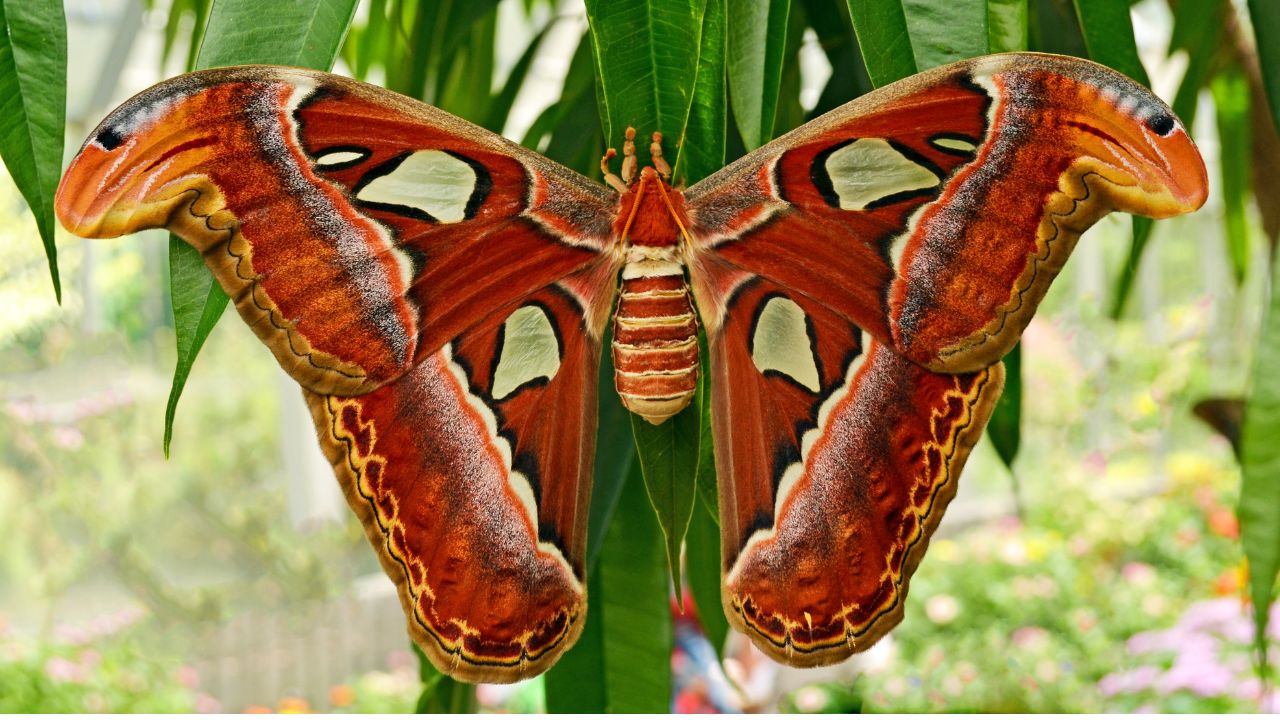
Stylopoda cephalica is a species of owlet moth in the family Noctuidae, described by Smith in 1891. It is recorded from North America and assigned MONA/Hodges number 10163. Available documentation is sparse, with few observations and limited published research on its biology.
Sufetula carbonalis is a small crambid moth described in 2013 from Florida. The species name refers to its dark charcoal-colored wing markings. Adults are active across multiple months, with larval stages suspected to feed on palm roots.
mossy sallow
Supralathosea baboquivariensis is a moth species in the family Noctuidae, first described by Barnes and Benjamin in 1924. It is classified within the subfamily Oncocnemidinae and is known by the common name 'mossy sallow.' The species has been recorded in North America and is assigned MONA/Hodges number 10024.
mossy sallow
Supralathosea obtusa is a species of moth in the family Noctuidae, commonly known as the mossy sallow. It was first described by Smith in 1909. The species is currently accepted under the genus Supralathosea, though it was previously classified under Eulathosea. The common name "mossy sallow" suggests cryptic coloration typical of many noctuid moths that inhabit forested environments.
Private Sallow, private sallow moth
Sutyna privata, commonly known as the Private Sallow, is a species of cutworm or dart moth in the family Noctuidae. It was described by Francis Walker in 1857. The species occurs in North America, with documented records from Canada (Alberta, Manitoba, Saskatchewan) and the United States (Vermont). As a member of the subfamily Noctuinae, it belongs to a large group of predominantly nocturnal moths whose larvae are often referred to as cutworms due to their feeding habit of cutting through plant stems at soil level.
White-headed Prominent, Orange-humped Oakworm
Symmerista albifrons, known as the white-headed prominent or orange-humped oakworm, is a moth species in the family Notodontidae. First described by J.E. Smith in 1797, it occurs throughout North America. The species is recognized by its distinctive white head and orange thoracic hump, with larvae that feed on oak foliage. It belongs to a genus of prominents whose caterpillars are important prey items for solitary wasps such as Ammophila procera.
Red-humped Oakworm Moth
Symmerista canicosta, the red-humped oakworm moth, is a species of prominent moth in the family Notodontidae. It is found across eastern North America from southern Canada to the southeastern United States. The species is notable for being a host for the parasitoid wasp Ammophila procera, which provisions its nests with caterpillars of this and related moth species.
A species of prominent moth in the family Notodontidae, described by Max Wilhelm Karl Draudt in 1932. Found in North America, with MONA/Hodges number 7955. Belongs to a genus whose caterpillars are known hosts for parasitoid wasps including Ammophila procera.
Sympistis aterrima is a small noctuid moth described by Grote in 1879. It is known from limited observations in western North America, with records from California. The species was originally described under the genus Stylopoda before being transferred to Sympistis.
Sympistis greyi is a noctuid moth described from western North America in 1998. The species is named for L. Paul Grey. It is known from a relatively narrow geographic range spanning British Columbia through central Washington and Oregon. The wingspan measures approximately 30 mm, with forewings 12–14 mm in length.
Sympistis heliophila is a noctuid moth (owlet moth) with a Holarctic distribution spanning Europe, northern Asia, and North America. The species name 'heliophila' (sun-loving) suggests an association with open, sunny habitats. It belongs to the diverse genus Sympistis, which contains numerous species often difficult to distinguish without detailed examination.
Sympistis kelsoensis is a species of noctuid moth described by Robertson and Mustelin in 2006. It belongs to the genus Sympistis, a diverse group within the owlet moth family Noctuidae. The species is recorded from North America and has been assigned MONA/Hodges number 10063.1. Published records indicate it is a relatively recently described species with limited documentation in scientific literature.
Synalocha gutierreziae is a small tortricid moth described by Powell in 1985. The species occurs in the southwestern United States and exhibits sexual dimorphism in forewing length. Adults are active in autumn, and larvae feed on specific host plants in the genus Gutierrezia.
Scarce Silver Y Moth
Syngrapha interrogationis, commonly known as the scarce silver Y, is a noctuid moth distributed across northern regions of the Northern Hemisphere. The species ranges from Alaska and Canada through Iceland, Europe, and Siberia to Northeast Asia including Japan. Adults display the characteristic silver Y-shaped mark on the forewings typical of the Plusiinae subfamily. The species is considered scarce or locally distributed in parts of its European range.
Labrador Tea Looper Moth, Labrador tea looper
Syngrapha montana, commonly known as the Labrador tea looper moth, is a noctuid moth distributed across boreal North America. The species exhibits a transcontinental Canadian range with southern extensions into the northern United States. Its life cycle is univoltine, with one generation annually. The larval stage is specialized, feeding exclusively on Ledum groenlandicum (Labrador tea), a wetland ericaceous shrub.
Surena Looper Moth
Syngrapha surena, known as the Surena Looper Moth, is a North American noctuid moth described by Augustus Radcliffe Grote in 1882. The species belongs to the subfamily Plusiinae, which includes the 'looper' or 'owlet' moths characterized by their distinctive wing patterns and reduced forelegs. It is a rarely encountered species with limited observational records, suggesting either genuine rarity or cryptic habits that limit detection.
Tacoma feriella is a species of moth in the family Pyralidae, subfamily Phycitinae. First described by Hulst in 1888, this small moth belongs to a genus of snout moths whose biology remains poorly documented in scientific literature. The species is part of a diverse group of pyralid moths, many of which are associated with dried plant materials, seeds, or detritus as larvae. Adult moths in this subfamily typically have narrow wings and prominent labial palps that project forward like a snout.
Tacparia is a genus of moths in the family Geometridae, subfamily Ennominae. The genus was erected by Francis Walker in 1860 and contains three recognized species: Tacparia zalissaria, Tacparia atropunctata, and Tacparia detersata. These moths are part of the diverse Geometridae family, commonly known as inchworm or geometer moths.
Pale Alder Moth
Tacparia detersata, known as the pale alder moth, is a North American geometrid moth in the subfamily Ennominae. It is broadly distributed across Canada and the northern United States. The species has been documented in over 1,400 iNaturalist observations, suggesting it is relatively common and readily encountered by observers.
Tacparia zalissaria is a species of geometrid moth in the family Geometridae, described by Francis Walker in 1860. It is recorded from North America and assigned MONA/Hodges number 6805. The species belongs to the subfamily Ennominae, a diverse group of geometrid moths commonly known as inchworms or loopers due to their characteristic larval locomotion.
Taeniogramma quadrilinea is a species of geometrid moth described by Schaus in 1901. The species has been reclassified under the genus Cataspilates as C. quadrilinea, with Taeniogramma quadrilinea now treated as a synonym. Very little is known about this species, with only two observations recorded in iNaturalist. The genus Taeniogramma belongs to the family Geometridae, a large and diverse family of moths commonly known as inchworms or geometer moths due to the characteristic looping movement of their larvae.
Dark-banded Tallula
Tallula atrifascialis is a species of pyralid moth in the family Pyralidae. It is commonly known as the Dark-banded Tallula. The species is assigned MONA/Hodges number 5591. As a member of the subfamily Epipaschiinae, it belongs to a group of snout moths whose larvae are primarily associated with decaying plant material and fungi.
Talponia is a genus of tortricid moths established by Heinrich in 1926. The genus comprises two described species: Talponia batesi and Talponia plummeriana. It belongs to the subfamily Olethreutinae and tribe Grapholitini. Members of this genus are small moths with limited published documentation of their biology.
Exposed Bird Dropping Moth, Nun
Tarache aprica, commonly known as the exposed bird dropping moth, is a small noctuid moth native to North America. The species exhibits bird-dropping mimicry as a defensive strategy. Adults are active from March through September in southern portions of their range, with a reduced season in northern areas. The larvae feed specifically on Alcea rosea (hollyhock).
Tarache axendra is a species of moth in the family Noctuidae, subfamily Acontiinae, described by Schaus in 1898. It belongs to the genus Tarache, which contains small to medium-sized moths commonly known as bird-dropping mimics due to their cryptic coloration. The species occurs in North America. Like other members of the Acontiinae, adults are likely nocturnal and attracted to light sources.
Tarache cora is a species of bird-dropping moth in the family Noctuidae, first described by William Barnes and James Halliday McDunnough in 1918. It is found in North America and is assigned MONA/Hodges number 9151. The species belongs to the subfamily Acontiinae, a group of small noctuoid moths often characterized by distinctive resting postures and coloration patterns.
Tarache toddi is a moth species in the family Noctuidae, subfamily Acontiinae. The species was described in 2009 by Clifford D. Ferris and Donald Lafontaine based on specimens collected in southwestern North America. It belongs to a genus whose larvae are typically associated with specific host plants, including species in the genus Hibiscus. The species is relatively recently described and appears to have limited published information beyond its original description.
Southern taygete
Taygete gallaegenitella is a small moth in the family Autostichidae, first described by James Brackenridge Clemens in 1864. It occurs across the eastern and southern United States, with larvae recorded feeding on oak galls. The species exhibits distinctive forewing patterning with dark dusting and three oblique bands.
Taygete sylvicolella is a small moth in the family Autostichidae, described by August Busck in 1903. It is known from scattered records in eastern North America. The species is characterized by distinctive wing patterning with dark fuscous overlay on white forewings and contrasting markings.
Tebenna is a genus of small moths in the family Choreutidae, established by Billberg in 1820. These moths belong to the metalmark moth family, characterized by their distinctive wing patterns and diurnal or crepuscular activity. The genus has been documented across northern Europe and North America, with over 4,600 observations recorded on iNaturalist.
Jeweled Tebenna
Tebenna gemmalis, commonly known as the Jeweled Tebenna, is a small moth in the family Choreutidae. It occurs in western North America from California to British Columbia. Adults are active during spring and early summer, with flight records from April through July in California.
Telphusa is a genus of moths in the family Gelechiidae, established by Chambers in 1872. The genus contains approximately 60 described species distributed across multiple continents. Species in this genus are small moths, typical of the Gelechiidae family, with most being poorly studied beyond original descriptions. The genus is taxonomically stable within the subfamily Gelechiinae and tribe Litini.
White Slant-line, White Slaut
A medium-sized geometrid moth with white wings marked by a slanted transverse line. Adults are active in late spring and early summer across much of North America. The species exhibits broad polyphagy, with larvae feeding on diverse woody plants including both angiosperms and conifers.
Psychedelic Regal Moth
Thaumatographa regalis is a small tortricid moth native to California. First described by Walsingham in 1881, this species was previously classified under the genus Hilarographa. The common name "Psychedelic Regal Moth" reflects its distinctive coloration. It belongs to the subfamily Chlidanotinae and tribe Hilarographini, a group of tortricids often associated with distinctive wing patterns.
Thaumatopsis actuellus is a small crambid moth described by Barnes and McDunnough in 1918. It is known from limited records in Florida and Texas. The species has a wingspan of approximately 23 mm. Adult activity has been documented in May, July, and November.
Thaumatopsis fernaldella is a species of grass moth in the family Crambidae, described by William D. Kearfott in 1905. It is a North American species with a broad distribution across the United States and Canada, primarily associated with prairie habitats. Adults are active from spring through autumn, with a relatively long flight season spanning April to October.
Thiotricha is a large, morphologically diverse genus of gelechiid moths in the subfamily Thiotrichinae. The genus is mainly concentrated in the Old World, with particularly high diversity in China where over 100 species have been documented. Species are distinguished by genital morphology and external characters, with Chinese taxa organized into four species groups based on morphology and molecular data. Larvae of studied species construct portable cases and feed on flowers, seeds, or leaves of various host plants.
Thyraylia bunteana is a small tortricid moth species described by Robinson in 1869. It was formerly classified in the genus Cochylis but has been reassigned to Thyraylia based on phylogenetic and morphological studies. The species is documented across a broad North American range spanning eastern, central, and western regions.
Holland's Cochylid Moth
Thyraylia hollandana, known as Holland's Cochylid Moth, is a species of tortricid moth native to eastern North America. It was originally described as Phalonia hollandana by Kearfott in 1907 and later transferred to the genus Thyraylia. The species has been documented across a broad geographic range from the northeastern United States through the Midwest and into southeastern Canada.
Thyraylia voxcana is a species of tortricid moth first described by Kearfott in 1907. It was originally placed in the genus Cochylis and later transferred to Thyraylia. The species is known from limited observations in the northeastern United States. Its biology and ecology remain poorly documented.
Tinacrucis noroesta is a species of tortricid moth described by Powell in 2009. It is known from a limited number of localities in the southwestern United States and northern Mexico. The species has a wingspan of 29–37 mm. It belongs to the tribe Atteriini within the subfamily Tortricinae.
A small moth species in the fungus moth family Tineidae, described by Braun in 1926. Known from scattered records across central Canada. As a member of the genus Tinea, it likely shares the family's characteristic larval habits of feeding on keratinaceous materials, though specific details for this species remain poorly documented.
Tlascala is a monotypic genus of snout moths in the family Pyralidae, containing a single species, Tlascala reductella. The genus was described by George Duryea Hulst in 1890. Its sole species has been documented across eastern North America from Ontario south to Florida, with additional records from Honduras.
Tolype austella is a species of lappet moth in the family Lasiocampidae, described by Franclemont in 1973. It belongs to a genus characterized by distinctive tussock-like larvae and adults with reduced mouthparts. The species is part of the subfamily Poecilocampinae, a group of moths with relatively broad wings and stout bodies.
Tolype distincta is a species of lappet moth in the family Lasiocampidae, native to western North America. The larvae feed on conifers in the family Pinaceae, including Douglas fir, true firs, and western hemlock. The species inhabits moist to mesic coniferous forests across a range extending from the Pacific Northwest to the Southwestern United States and eastward to the Rocky Mountains in Colorado.
Tornos punctata is a species of geometrid moth described by Druce in 1899. It belongs to the family Geometridae, commonly known as inchworm or geometer moths. The species is recorded from both Middle America and North America. Beyond taxonomic classification and distribution records, specific biological details about this species remain poorly documented in available sources.
Toxonprucha excavata is a moth species in the family Erebidae, described by Francis Walker in 1865. The species was originally described under the basionym Homoptera excavata before being transferred to the genus Toxonprucha. It belongs to the subfamily Erebinae, a diverse group of primarily nocturnal moths commonly known as underwings or erebid moths. The genus Toxonprucha contains multiple species distributed across North America.
Toxonprucha n-sp-one is a species of moth in the family Noctuidae, the owlet moths. It is part of a genus of small to medium-sized moths found primarily in North America. The species epithet 'n-sp-one' indicates this is a numbered undescribed species, suggesting it has been recognized as distinct but not yet formally described in the scientific literature.
Toxonprucha n-sp-two is a moth species in the family Erebidae, subfamily Herminiinae. The genus Toxonprucha comprises small to medium-sized moths primarily distributed in the Americas. This species is currently known from limited specimen records and has not been formally described with a binomial epithet.
Toxonprucha strigalis is a moth species in the family Erebidae, first described by Smith in 1903. Originally placed in the genus Yrias, it was later transferred to Toxonprucha. It occurs in North America. The species is assigned Hodges number 8671 in the MONA (Moths of North America) system.