
Syngrapha surena
(Grote, 1882)
Surena Looper Moth
Syngrapha surena, known as the Surena Looper , is a North American noctuid moth described by Augustus Radcliffe Grote in 1882. The belongs to the Plusiinae, which includes the 'looper' or 'owlet' moths characterized by their distinctive wing patterns and reduced forelegs. It is a rarely encountered species with limited observational records, suggesting either genuine rarity or cryptic habits that limit detection.
Pronunciation
How to pronounce Syngrapha surena: /sɪnˈɡræfə ˈsʊrəna/
These audio files are automatically generated. While they are not always 100% accurate, they are a good starting point.
Identification
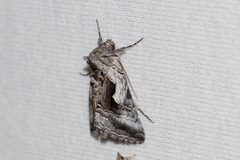
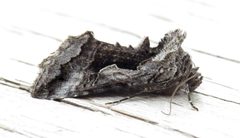
The silvery stigma pattern on dark forewings distinguishes this from many noctuids, though positive identification requires comparison with in the Syngrapha. S. surena may be separated from the more common Syngrapha epigaea (Epigaea Looper) and Syngrapha octoscripta by subtle differences in stigma shape and forewing pattern intensity. Genitalia dissection is likely necessary for definitive identification given the similarity among Plusiinae species. The 'Surena Looper ' reflects its placement in the looper moth group.
Images
Appearance
have forewings with a characteristic looper pattern: a dark brown to blackish ground color with a prominent silvery or white stigma (kidney-shaped or figure-eight mark) near the center of the wing. The hindwings are typically paler, often grayish or brownish with darker margins. The body is relatively stout with a furry . Wingspan appears moderate for the , though exact measurements are not well documented in accessible sources.
Distribution
Recorded from North America; specific range details are poorly documented due to limited collection and observation records. The appears to occur in northern or montane regions based on related Syngrapha species distributions, though this inference requires verification.
Similar Taxa
- Syngrapha epigaeaSimilar dark forewing ground color with silvery stigma; distinguished by subtle pattern differences and geographic distribution
- Syngrapha octoscriptaOverlapping size range and general wing pattern; requires examination of stigma shape and hindwing coloration for separation
More Details
Taxonomic History
Originally described as Plusia surena by Grote in 1882, later transferred to the Syngrapha. The basionym Plusia surena reflects the historical classification of many looper moths in the genus Plusia before modern revisions split the group into multiple genera including Syngrapha, Autographa, and others.
Data Deficiency
Only 14 observations recorded on iNaturalist as of source date, indicating either genuine rarity, restricted distribution, habits limiting detection, or under-collection. No comprehensive studies or plant records appear to be published.