Syngrapha epigaea
(Grote, 1874)
Epigaea Looper Moth, Pirate Looper Moth, Narrow Silver Y
Syngrapha epigaea is a noctuid first described by Augustus Radcliffe Grote in 1874. It occurs across and temperate regions of North America, with active during mid-summer. The species is , producing one per year. Larvae feed on specific ericaceous plants, with documented associations to Vaccinium angustifolium (lowbush blueberry) and Kalmia angustifolia (sheep laurel).
Pronunciation
How to pronounce Syngrapha epigaea: /sɪnˈɡræfə ˌɛpɪˈdʒiːə/
These audio files are automatically generated. While they are not always 100% accurate, they are a good starting point.
Identification
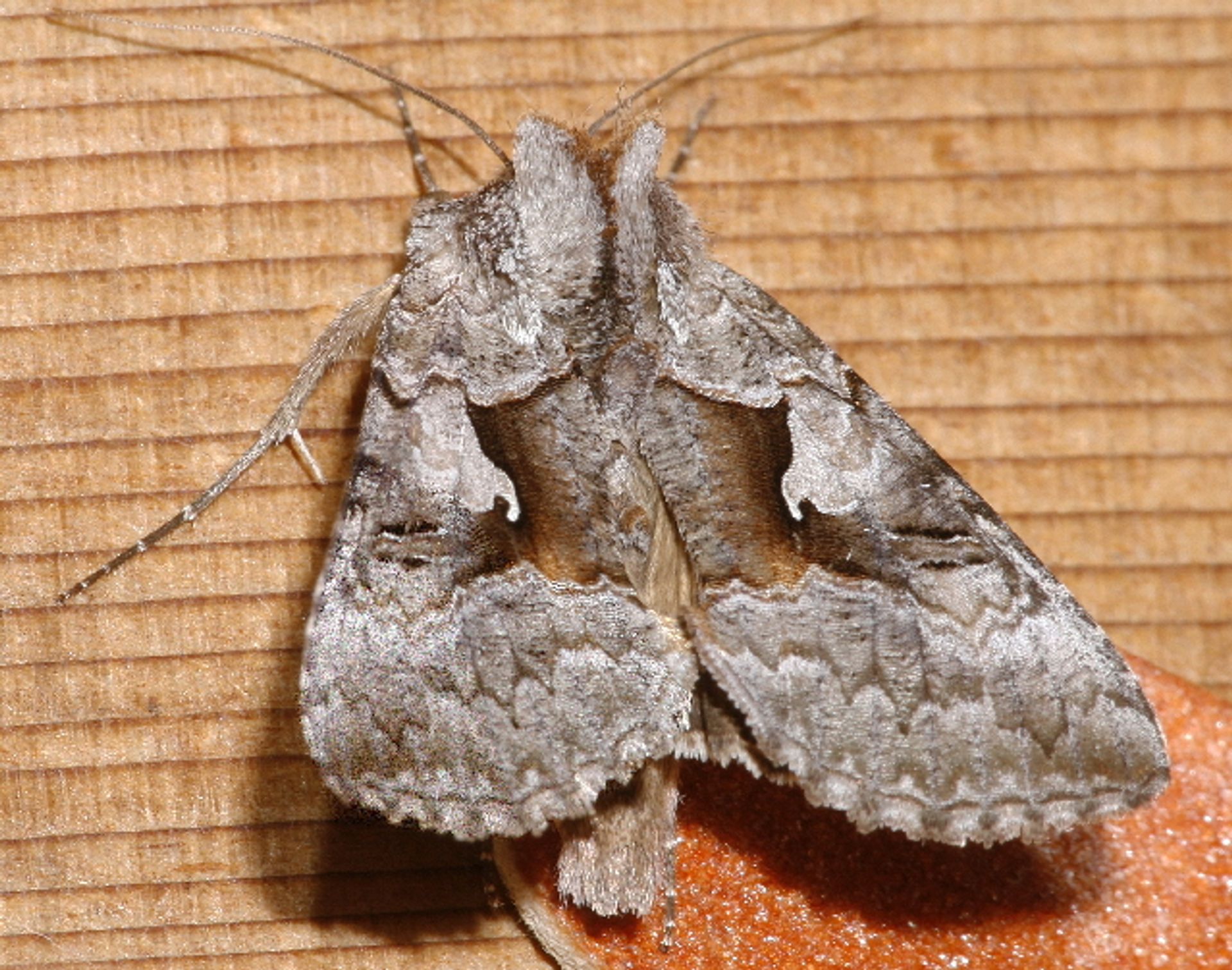
The narrow silver Y marking distinguishes this from other Syngrapha species with broader or differently shaped silver markings. The specific wing pattern, combined with geographic range and , aids separation from congeneric . Dissection of genitalia may be required for definitive identification where ranges overlap with similar species. The "pirate looper " distinguishes it from the more widespread "silver Y" (Autographa gamma), a Palaearctic species not naturally occurring in North America.
Images
Appearance
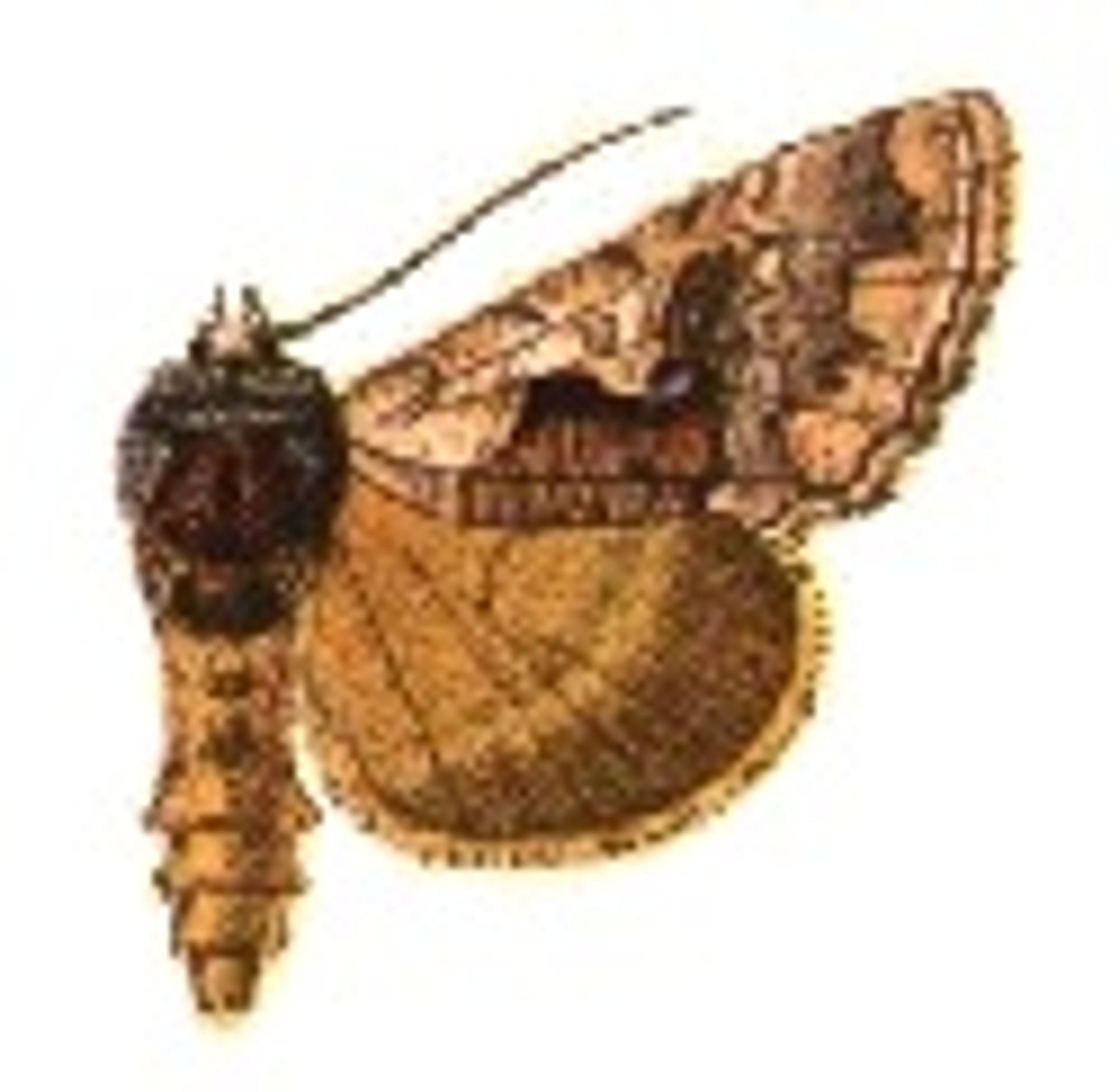
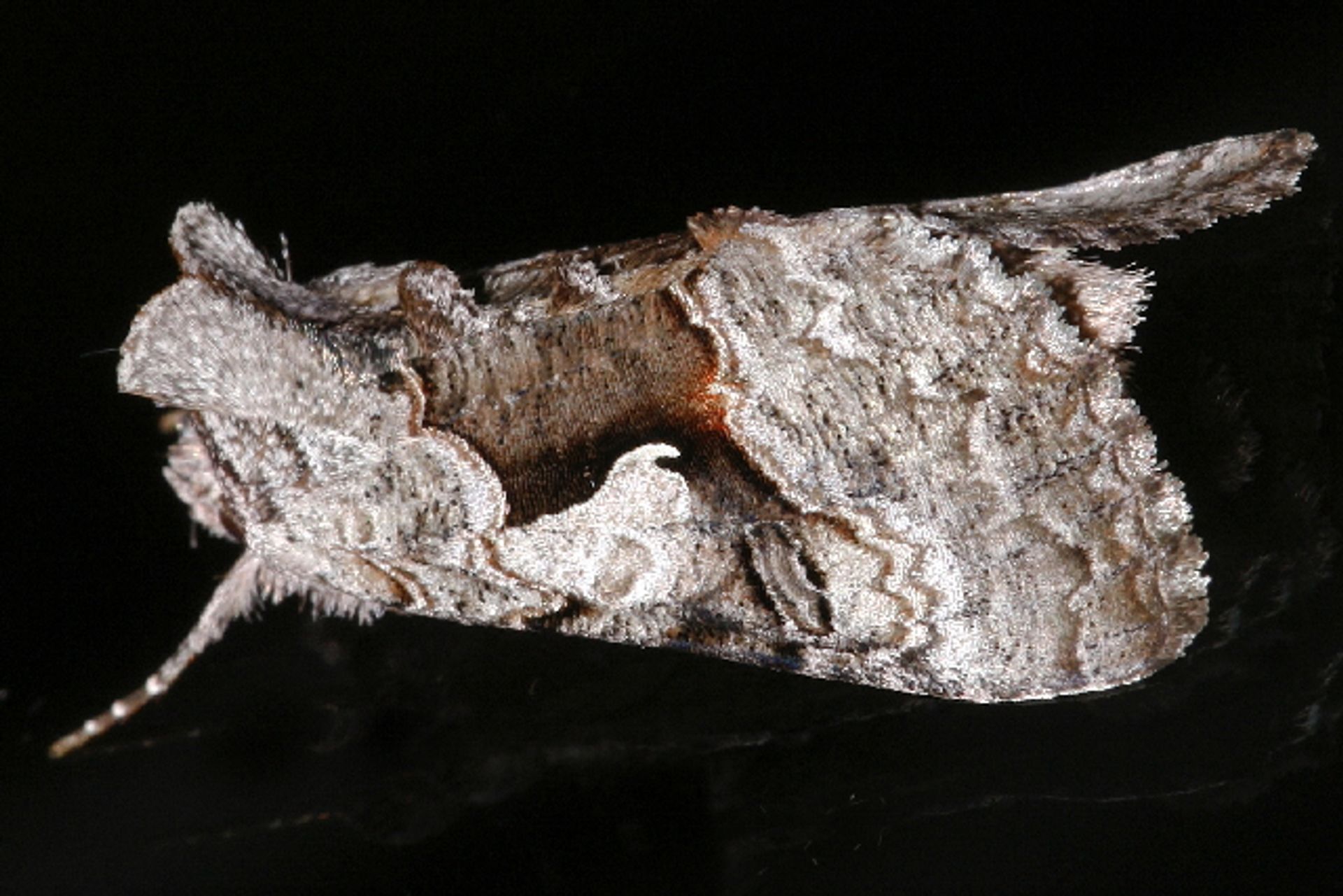
have a wingspan of 39–40 mm. Forewings display the characteristic "Y" or looper pattern typical of the Syngrapha, with a relatively narrow silver marking that contributes to the "narrow silver Y." Wing coloration is generally muted with cryptic patterning. The specific epithet "epigaea" references the genus Epigaea (trailing arbutus), an ericaceous plant, alluding to the moth's association with heath plants.
Habitat
Associated with ericaceous shrublands and heath where larval plants occur. Found in forest openings, barrens, and sandy or acidic soils supporting Vaccinium and Kalmia vegetation. Habitats include lowbush blueberry barrens and sheep laurel thickets.
Distribution
Transcontinental across Canada from coast to coast. In the eastern United States, extends south to Pennsylvania, Ohio, and the northern Great Lakes states (Michigan, Wisconsin, Minnesota). Distribution records include Alberta, Manitoba, Saskatchewan, and Vermont.
Seasonality
are on wing from July to August, with exact timing varying by location and latitude. The exhibits a single ().
Diet
Larvae feed on Vaccinium angustifolium (lowbush blueberry) and Kalmia angustifolia (sheep laurel). feeding habits are not documented.
Host Associations
- Vaccinium angustifolium - larval food plantLowbush blueberry
- Kalmia angustifolia - larval food plantSheep laurel
Life Cycle
One per year. Larvae develop on plants; presumably occurs in soil or leaf litter, though specific details of the pupal stage are not documented. emerge in mid-summer.
Ecological Role
Larval herbivore on ericaceous shrubs. Specific ecological interactions (, , role of ) are not documented.
Human Relevance
Occasional minor pest of lowbush blueberry in regions where this crop is harvested commercially. The name and "Epigaea Looper " reflect its ecological association with heath plants.
Similar Taxa
- Autographa gammaShares "silver Y" and similar forewing pattern, but is a Palaearctic not naturally occurring in North America; distinguished by broader silver marking and geographic range
- Other Syngrapha speciesCongeneric with similar looper moth ; distinguished by specific shape and width of silver Y marking, requiring careful examination or genitalia dissection
More Details
Nomenclatural note
The basionym Plusia epigaea reflects the historical placement of this in the Plusia before transfer to Syngrapha. The specific epithet "epigaea" (Greek: "upon the earth") alludes to the trailing growth habit of Epigaea repens (trailing arbutus), though the actual larval are Vaccinium and Kalmia rather than Epigaea itself.
Conservation status
Not assessed by IUCN. The appears secure across its broad Canadian range, though localized may be affected by conversion of ericaceous barrens and blueberry management practices.