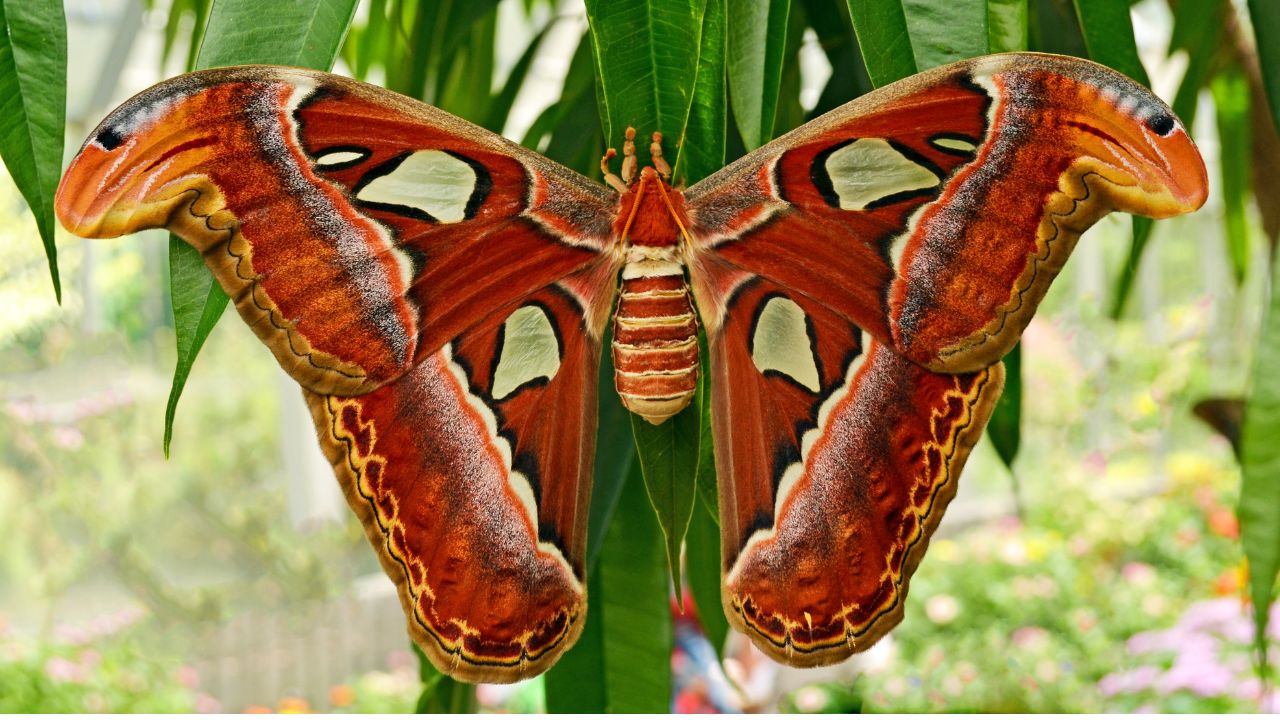
Tracheops is a genus of moths in the family Geometridae, established by George Duryea Hulst in 1896. The genus contains a single described species, Tracheops bolteri. It belongs to the subfamily Ennominae, a diverse group of geometrid moths commonly known as inchworms or loopers due to their larval locomotion.
Tracheops bolteri is a species of geometrid moth in the family Geometridae, subfamily Ennominae. It was described by Hulst in 1896. The species is known from North America and has been documented at blacklight stations during bioblitz surveys in Colorado, including at Red Rock Canyon Open Space. Like other geometrid moths, adults are nocturnal and attracted to light sources.
Trichocerapoda is a genus of owlet moths (Noctuidae) established by Benjamin in 1932. The genus contains five described species distributed in western North America, with records from California and adjacent regions. Two species were described in 2006, indicating ongoing taxonomic refinement. The genus belongs to the tribe Eriopygini within the subfamily Noctuinae.
Trichocerapoda harbisoni is a species of moth in the family Noctuidae, described by Mustelin in 2006. It belongs to the tribe Eriopygini within the subfamily Noctuinae. The species is known from North America. Very little published information exists regarding its biology or ecology.
Trichocerapoda strigata is a moth species in the family Noctuidae, first described by Smith in 1891. It belongs to the tribe Eriopygini within the subfamily Noctuinae. The species is documented from North America, though specific details about its biology and ecology remain limited in available sources.
Trichofeltia circumdata is a noctuid moth species first described by Grote in 1883. It belongs to the tribe Eriopygini within the subfamily Noctuinae. The genus Trichofeltia is a small, poorly known group of North American noctuid moths. Available records indicate this species occurs in North America, though specific details about its biology and ecology remain sparse.
marked noctuid, noted sunflower moth
Tricholita notata is a species of cutworm or dart moth in the family Noctuidae. It is found in North America and has been assigned the Hodges number 10628. The species includes two recognized subspecies: T. n. notata and T. n. chicagoensis. It is also referred to as the noted sunflower moth.
signate Quaker
Tricholita signata, commonly known as the signate Quaker, is a moth species in the family Noctuidae described by Francis Walker in 1860. It is found in North America, with recorded observations in Canada (Manitoba, Saskatchewan) and the United States (Vermont). The species has been assigned MONA/Hodges number 10627. It is a member of the tribe Eriopygini within the subfamily Noctuinae.
Trichordestra is a genus of owlet moths in the family Noctuidae, established by McCabe in 1980. The genus comprises eight described species distributed primarily in North America. Members are classified within the subfamily Noctuinae and tribe Hadenini. The genus includes species such as Trichordestra legitima, the sooty wainscot, and Trichordestra lilacina, the lilac wainscot.
Striped Garden Caterpillar Moth, Striped Garden Caterpillar
Trichordestra legitima is a noctuid moth species first described by Augustus Radcliffe Grote in 1864. The species occurs across eastern North America, with records spanning from Newfoundland to Florida and westward to Texas and Saskatchewan. The common name references the larval stage, though specific details of larval morphology and host plant associations remain poorly documented in available sources. Adult moths are attracted to light and have been documented through citizen science observations.
Triclonella is a genus of small moths comprising approximately 25 described species. The genus was established by August Busck in 1900. Species within this genus have been described from the Americas, with records spanning from the southern United States through Central and South America. The taxonomic placement of Triclonella has been subject to revision, with sources variously placing it in Cosmopterigidae or Momphidae.
Tridepia nova is a species of moth in the family Noctuidae, described by Smith in 1903. It belongs to the subfamily Noctuinae and tribe Hadenini. The species is part of a small genus within the large and diverse owlet moth family. As a noctuid moth, it likely exhibits typical characteristics of the group including nocturnal activity patterns and larval development as caterpillars.
Four-spotted Angle
Trigrammia quadrinotaria, commonly known as the Four-spotted Angle, is a North American geometrid moth in the family Geometridae. The species was described by Herrich-Schäffer in 1855. It is attracted to blacklight and has been documented in urban and semi-rural settings during spring surveys.
Tissue Moth
Triphosa haesitata, commonly known as the tissue moth, is a geometrid moth in the family Geometridae. It occurs across much of North America with two recognized subspecies: T. h. affirmaria and the nominate T. h. haesitata. The species belongs to the subfamily Larentiinae, a diverse group of carpet moths.
Tripudia damozela is a small noctuid moth described by Harrison Gray Dyar Jr. in 1914. It belongs to the subfamily Eustrotiinae, a group of generally small, often brightly patterned owlet moths. The species is documented from Central and North America, though specific details about its biology remain limited. Its MONA (Moths of North America) or Hodges number is 9002.2.
Trocodima is a genus of moths in the family Erebidae, established by Watson in 1980. The genus belongs to the arctiine tussock moth group and contains three described species: T. fuscipes, T. hemiceras, and T. lenistriata. These species were originally described between 1883 and 1931. The genus is relatively small and understudied, with limited published information on its biology.
Trocodima fuscipes is a small moth in the family Erebidae, first described by Augustus Radcliffe Grote in 1883. The species is known only from the US state of Arizona. Adults have a wingspan of 18–22 mm and have been recorded flying in April and July. It is a poorly documented species with limited available information on its biology.
Truncaptera inopinata is a species of moth in the family Notodontidae (prominent moths), described by Draudt in 1932 under the basionym Lirimiris inopinata. The species belongs to the subfamily Stauropinae, a group characterized by distinctive larval morphology. As a member of the Notodontidae family, it is part of a diverse lineage of moths whose larvae often exhibit modified abdominal segments and defensive behaviors. The genus Truncaptera is relatively small and understudied, with T. inopinata being one of few documented species.
Tyrissa is a genus of moths in the family Erebidae, subfamily Calpinae, erected by Francis Walker in 1866. The genus contains approximately 12 described species distributed primarily in the Neotropical region, with some species extending into the southern United States (Florida). Species have been recorded from Brazil, French Guiana, Suriname, Paraguay, Costa Rica, the Dominican Republic, and Florida. The genus is taxonomically placed within the superfamily Noctuoidea.
Udea brevipalpis is a small crambid moth described by Eugene G. Munroe in 1966. It is known from a limited range in western North America, with records from California, Colorado, and Utah. Adults are active during mid-summer.
Udea itysalis is a small crambid moth described by Francis Walker in 1859. It is widely distributed across North America from British Columbia to Quebec, with southern records extending to Colorado, California, Nevada, and Arizona. A single extralimital record exists from the Sayan Mountains in Russia. The species exhibits considerable geographic variation, with nine described subspecies recognized primarily by Munroe in 1966.
Udea octosignalis is a small moth in the family Crambidae, described by George Duryea Hulst in 1886. It is known from limited records in California and Texas. The species has a wingspan of approximately 20 mm and exhibits distinctive light ocherous forewings with buff markings.
Udea radiosalis is a small moth in the family Crambidae, first described by Möschler in 1883. The species occurs across western North America from the Canadian prairies to the southwestern United States. Like other members of its genus, it is a nocturnal insect with documented activity on flowering plants. The species is part of a group of moths that have been observed visiting apple blossoms, contributing to nocturnal pollination services in agricultural settings.
Celery Leaftier, Greenhouse Leaftier
Udea rubigalis is a small moth in the family Crambidae, commonly known as the celery leaftier or greenhouse leaftier. The species occurs throughout the Americas, from North America through Central and South America. Larvae are polyphagous and feed on a wide variety of plants across multiple families. Adults have been documented visiting apple flowers, where they may contribute to nocturnal pollination.
Udea turmalis is a crambid moth described by Grote in 1881. It is found in western North America, with records spanning from western Canada through the western United States. Adults fly during summer months and possess distinctive wing markings that aid in identification.
Udeini is a tribe of pyraloid moths in the family Crambidae, subfamily Spilomelinae, erected in 2019 based on three genitalic synapomorphies. It comprises nine genera and 262 species, including the large, cosmopolitan genus Udea (214 species) and several geographically restricted genera. The tribe is notable for retaining plesiomorphic characters shared with the sister group Pyraustinae, distinguishing it from other Spilomelinae.
Ufeus is a genus of moths in the family Noctuidae, established by Grote in 1873. It represents the sole genus of the monotypic subfamily Ufeinae. The genus contains six recognized species distributed in North America. Species include Ufeus plicatus, Ufeus satyricus, Ufeus faunus, Ufeus hulstii, Ufeus carnea, and the recently described Ufeus felsensteini (2013).
cutworm, dart moth
Ulolonche consopita is a species of dart moth in the family Noctuidae, first described by Grote in 1881. It belongs to the tribe Eriopygini within the subfamily Noctuinae. The species is distributed across North America. As a member of the 'cutworm or dart moth' group, it likely exhibits nocturnal adult activity typical of many Noctuidae, though specific biological details remain poorly documented.
cutworm, dart moth
Ulolonche disticha is a species of cutworm or dart moth in the family Noctuidae, first described by Morrison in 1875. It is found in North America, including the southwestern United States, Mexico, and Alberta, Canada. The species is assigned MONA/Hodges number 10573. As a noctuid moth, it likely exhibits typical traits of the family including nocturnal activity and larval feeding on herbaceous plants.
Ulolonche fasciata is a species of moth in the family Noctuidae, first described by Smith in 1888. It belongs to the tribe Eriopygini within the subfamily Noctuinae. The species is known from North America, though specific details regarding its biology and ecology remain limited in published literature.
Ursia is a small genus of moths in the family Notodontidae, the prominents. The genus was established in 1911 by William Barnes and James Halliday McDunnough. It contains two described species: Ursia noctuiformis (the type species) and Ursia furtiva. These moths are classified within the subfamily Heterocampinae.
Usingeriessa is a genus of moths in the family Crambidae, subfamily Acentropinae. The genus was established by Lange in 1956 and contains approximately 11 described species distributed primarily in the Neotropical region. These moths are part of a group commonly known as aquatic or semi-aquatic crambid moths, though specific ecological details for the genus remain limited.
Usingeriessa brunnildalis is a small crambid moth described by Harrison Gray Dyar Jr. in 1906. It is known from California and Texas in the southwestern United States. The species has a distinctive wing pattern with dark brown forewings that are lighter in the median area and at the anal angle, contrasting with gray hindwings. The larval stage is aquatic, inhabiting rocks in streams where it feeds on algae.
Straight-lined Vaxi Moth, Straight-lined Argyria Moth
Vaxi critica is a crambid moth found in eastern North American fields and meadows. Adults are active from June to September in northern populations and March to July in Florida. The species was described by W.T.M. Forbes in 1920 and is also known by the synonym Argyria critica.
Venusia is a genus of moths in the family Geometridae, subfamily Larentiinae. The genus was established by Curtis in 1839 and contains numerous species distributed across various regions, including at least seven species documented from Xizang (Tibet), China. Species in this genus are small to medium-sized geometrid moths, many with distinctive wing patterns. Taxonomic identification relies heavily on genitalia morphology.
brown-shaded carpet moth
Venusia comptaria is a small geometrid moth found in eastern North America. Adults have a wingspan of approximately 20 mm. The species inhabits woodland environments across a broad latitudinal range from Florida to Newfoundland. It was first described by Francis Walker in 1860.
Vinemina perdita is a species of geometrid moth described by Guedet in 1939. It belongs to the family Geometridae, commonly known as inchworm or geometer moths, characterized by their slender bodies and the looping movement of their larvae. The genus Vinemina is placed within the subfamily Ennominae, a diverse group of geometrid moths found primarily in North America.
orange holomelina, Orange Virbia Moth
Virbia aurantiaca is a small moth in the family Erebidae, commonly known as the orange holomelina or Orange Virbia Moth. It is recognized by its bright orange coloration and relatively small size, with forewings measuring approximately 10 mm in males and 9.7 mm in females. The species has a broad distribution across North America, ranging from southern Canada through the eastern and central United States to Mexico. Larvae have been successfully reared on dandelion (Taraxacum) and plantain (Plantago) species.
rusty holomelina, Rusty Virbia Moth
Virbia ferruginosa, commonly known as the rusty holomelina or rusty virbia moth, is a tiger moth in the family Erebidae. It was described by Francis Walker in 1854. The species has a broad distribution across northern North America, with one generation per year and adults active in July.
Virbia fragilis is a moth species in the family Erebidae, subfamily Arctiinae. It was described by Strecker in 1878 from specimens collected in the Black Hills of South Dakota. The species occupies a restricted but disjunct distribution across the Rocky Mountain and Great Plains regions of western North America, with populations documented from South Dakota, Colorado, New Mexico, Alberta, and British Columbia. It is associated with open field habitats.
Plain-winged Virbia Moth, Immaculate Holomelina, Plain-winged Holomelina
Virbia immaculata is a moth in the family Erebidae, subfamily Arctiinae. The species was described by Tryon Reakirt in 1864. It is found across eastern and central North America, from the Atlantic coast west to Manitoba, with additional records from Iowa, Illinois, and Indiana. Larvae have been successfully reared on dandelion (Taraxacum) and plantain (Plantago) species.
joyful holomelina, Joyful Virbia Moth
Virbia laeta, commonly known as the joyful holomelina or Joyful Virbia Moth, is a small moth in the family Erebidae. It was described by Félix Édouard Guérin-Méneville in 1844. The species exhibits sexual dimorphism in forewing length and shows considerable variation in adult flight period across its North American range.
Virbia marginata is a moth in the family Erebidae, subfamily Arctiinae. It was described by Herbert Druce in 1885. The species is considered a synonym of Virbia rubicundaria in some taxonomic treatments, though this status appears unresolved across sources. Records indicate presence in parts of North America and Central America.
tawny holomelina, Tawny Virbia Moth
Virbia opella is a small tiger moth in the family Erebidae, historically known as the tawny holomelina. It was described by Grote in 1863 and later transferred from Holomelina to Virbia following phylogenetic revision. The species occurs in eastern and central North America, where it inhabits oak-dominated forests and produces multiple generations annually.
Viridiseptis marina is a noctuid moth species found in North America. It was originally described by Grote in 1874 and has been treated as a synonym of Aseptis marina in some taxonomic treatments, though it is currently recognized in the genus Viridiseptis. The species has accumulated over 600 observation records on iNaturalist, indicating it is moderately well-documented by citizen scientists.
Walshia floridensis is a small moth in the family Cosmopterigidae, described by Ronald W. Hodges in 1978. It is endemic to Florida, with adults active during the winter months. The species is notable for its specific association with the legume Petalostemon pinnatum as a larval host plant.
Red Carpet
Xanthorhoe decoloraria, commonly known as the red carpet, is a small geometrid moth described by Eugenius Johann Christoph Esper in 1806. The species exhibits considerable wing pattern variation and is distributed across northern Europe, Asia, and North America, with southern populations restricted to mountainous regions. Adults are active during mid-summer, and larvae feed on Alchemilla species.
Xanthorhoe macdunnoughi is a geometrid moth first described by Louis W. Swett in 1918. It occurs in open wooded areas of western North America, with records extending east to western Alberta and south to California. The species has a wingspan of approximately 28 mm and is assigned MONA/Hodges number 7372.
Xenolechia aethiops is a small moth in the family Gelechiidae, with a wingspan of approximately 18 mm. The species is native to Europe, ranging from Ireland and Denmark to the Iberian Peninsula, Italy, and Greece, with additional populations in North Africa and Turkey. It has also been reported from North America, including records from Alberta, Arizona, California, Maine, Saskatchewan, and Texas. Adults are active in late spring, with flight periods recorded in May and June.
Wilson's Wood-nymph Moth
Xerociris wilsonii, commonly known as Wilson's Wood-nymph Moth, is a monotypic species in the family Noctuidae, subfamily Agaristinae. The genus was erected by Theodore Dru Alison Cockerell in 1904, with the species originally described by Augustus Radcliffe Grote in 1863. It is found in the US state of Texas and has been recorded in North America.