Xenolechia aethiops
(Humphreys & Westwood, 1845)
Xenolechia aethiops is a small in the Gelechiidae, with a wingspan of approximately 18 mm. The is native to Europe, ranging from Ireland and Denmark to the Iberian Peninsula, Italy, and Greece, with additional in North Africa and Turkey. It has also been reported from North America, including records from Alberta, Arizona, California, Maine, Saskatchewan, and Texas. are active in late spring, with periods recorded in May and June.
Pronunciation
How to pronounce Xenolechia aethiops: //ˌzɛnoʊˈliːkiə ˈaɪθiɒps//
These audio files are automatically generated. While they are not always 100% accurate, they are a good starting point.
Identification
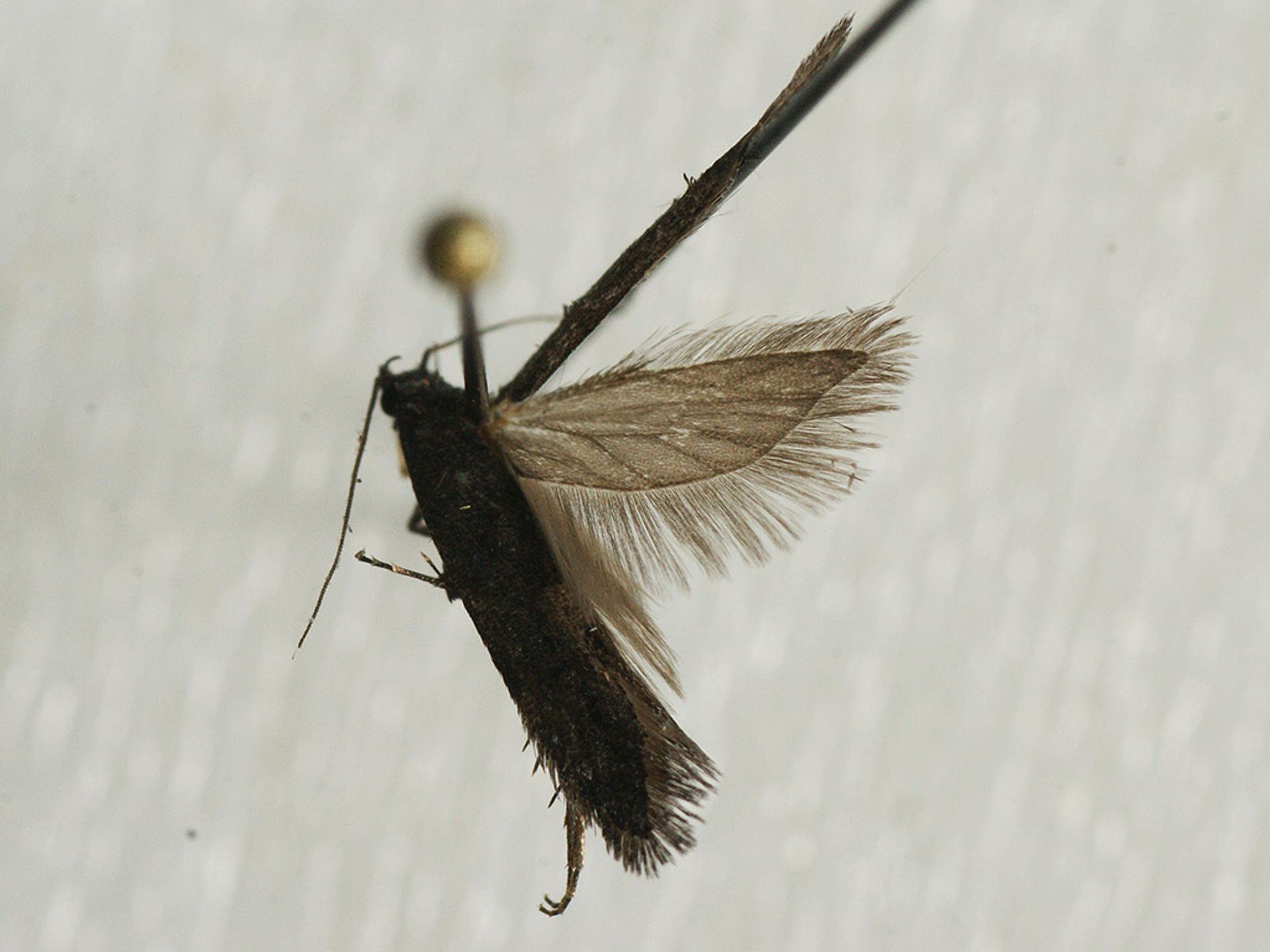
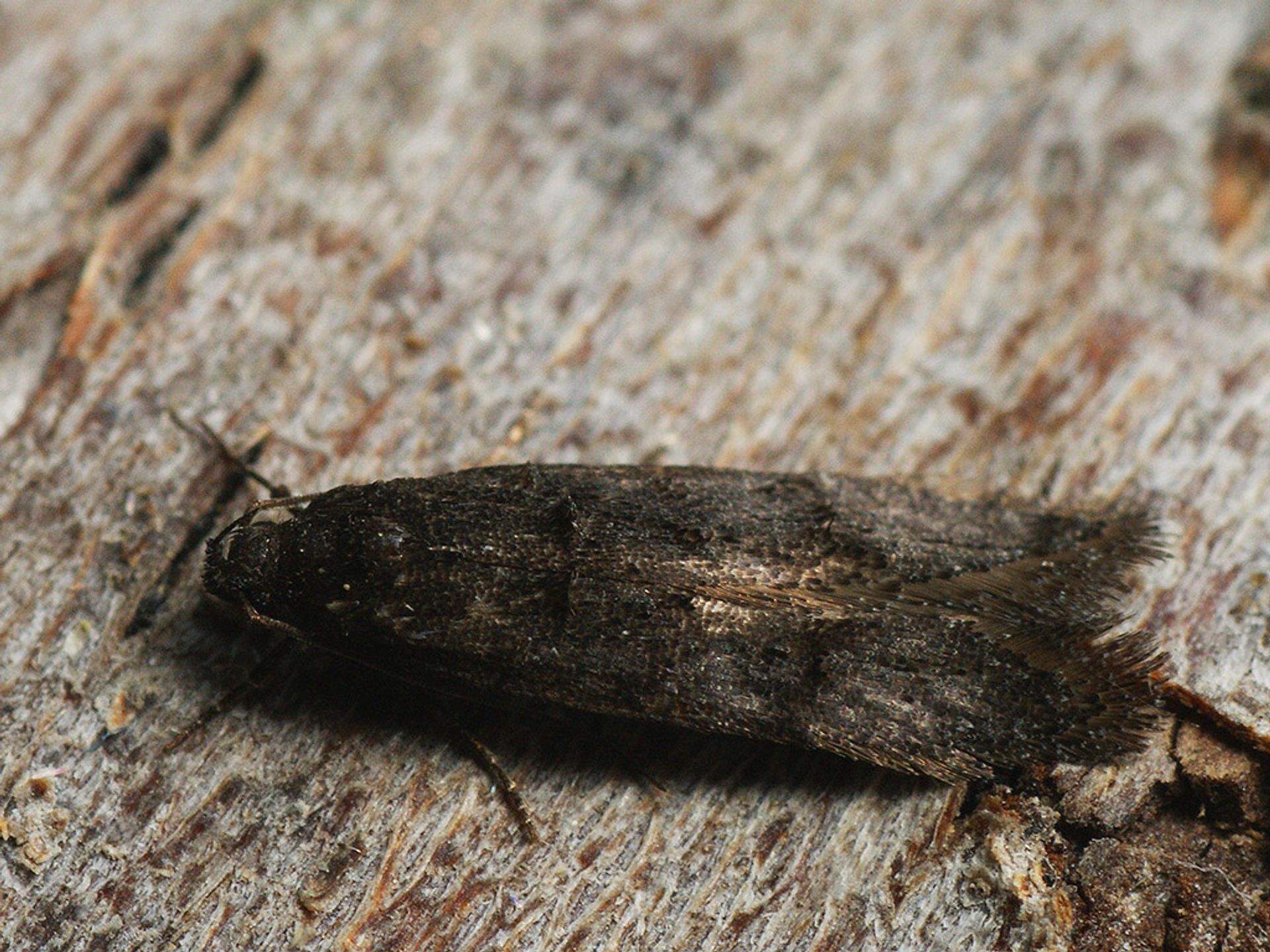
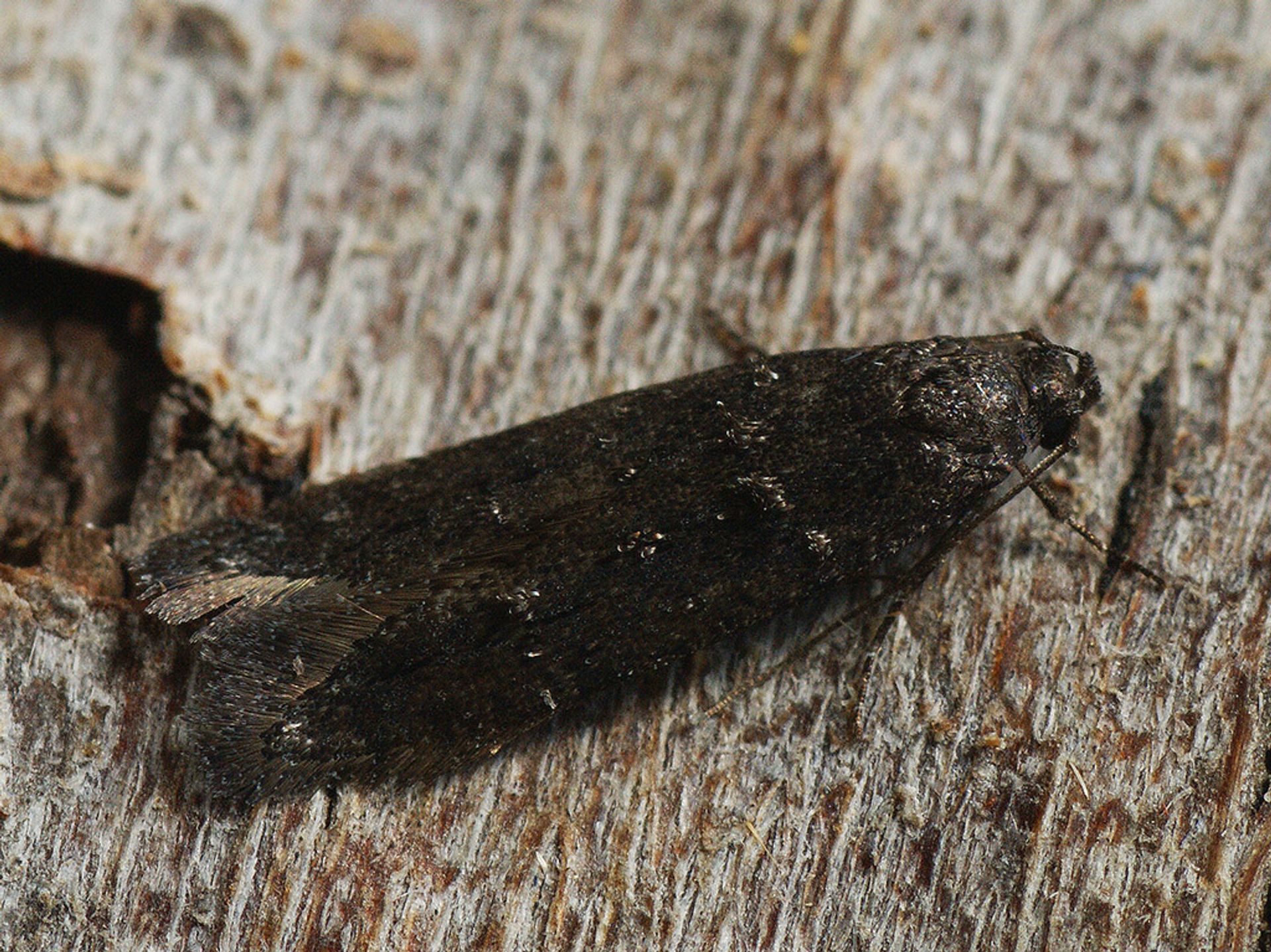
The forewings are dark fuscous with black, raised stigmata. The first discal stigma is positioned much beyond the plical stigma. A similar black spot appears in the disc obliquely before the plical, another on the fold rather beyond the first discal, and a third close beneath the second discal. The hindwings are grey and considerably over 1 in length. The larva is dull reddish with greenish segmental incisions, black dots, brown , and a black, crescentic, bisected plate on segment 2.
Images
Distribution
Europe: Ireland, Great Britain, Denmark, Iberian Peninsula, Sardinia, Italy, Greece. North Africa. Turkey. North America: Alberta, Arizona, California, Maine, Saskatchewan, Texas.
Seasonality
are on wing in May and June.
Sources and further reading
- BugGuide
- Wikipedia
- GBIF taxonomy match
- iNaturalist taxon
- NCBI Taxonomy
- Catalogue of Life
- Bug Eric: Wasp Wednesday: Anoplius aethiops
- Rosie defoliators: Roseslug sawfly, Endelomyia aethiops, Curled rose sawfly, Allantus cinctus, and Bristley rose sawfly, Cladius pectinicornis — Bug of the Week
- Rosie defoliators - Roseslug sawfly, Endelomyia aethiops, Curled rose sawfly, Allantus cinctus, and Cladius pectinicornis — Bug of the Week
- Bug Eric: Moving, Again
- Bug Eric: Spider Sunday: Dotted Wolf Spider
- Archive — Bug of the Week