
Venusia
Curtis, 1839
Species Guides
3- Venusia cambrica(Welsh Wave)
- Venusia comptaria(brown-shaded carpet moth)
- Venusia pearsalli(Pearsall's Carpet Moth)
Venusia is a of in the Geometridae, Larentiinae. The genus was established by Curtis in 1839 and contains numerous distributed across various regions, including at least seven species documented from Xizang (Tibet), China. Species in this genus are small to medium-sized geometrid moths, many with distinctive wing patterns. Taxonomic identification relies heavily on genitalia .
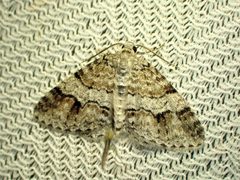
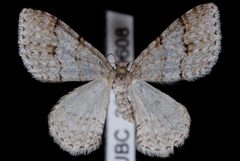
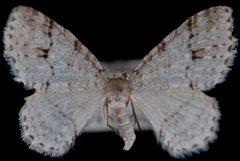
Pronunciation
How to pronounce Venusia: /vɛˈnuː.sɪ.a/
These audio files are automatically generated. While they are not always 100% accurate, they are a good starting point.
Identification
Identification of Venusia requires examination of and particularly genitalia structures. The is distinguished within Larentiinae by specific genitalia characteristics described in taxonomic revisions. Wing patterns vary among species but typically include fine lines and markings characteristic of the . Detailed morphological comparison with similar larentiine genera is necessary for accurate species-level identification.
Images
Distribution
The has a broad distribution with records from multiple continents. In China, at least seven have been documented from Xizang (Tibet), including Venusia crassisigna as a new regional record. The 2024 taxonomic review from Xizang provides distributional information for these species both within China and internationally.
Similar Taxa
- Other Larentiinae generaVenusia resemble other members of the Larentiinae in general appearance, necessitating genitalia examination for definitive identification.
More Details
Taxonomic authority note
The was established by Curtis in 1839, though some sources may cite 1838 due to publication date discrepancies. The 2024 review from Xizang used 1938 in the title, which appears to be an error.