
Venusia pearsalli
(Dyar, 1906)
Pearsall's Carpet Moth
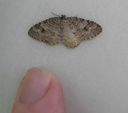
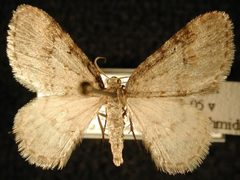
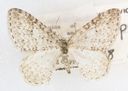
A small geometrid with a wingspan of approximately 21 mm, found in western North America from Alaska to California. are active in spring and possess distinctive pale grey forewings marked with rows of narrow black lines. The was described by Harrison Gray Dyar Jr. in 1906.
Pronunciation
How to pronounce Venusia pearsalli: /vɛˈnuː.si.ə ˈpɛər.sə.li/
These audio files are automatically generated. While they are not always 100% accurate, they are a good starting point.
Identification
Distinguished from similar Venusia by the specific pattern of narrow black lines on pale grey forewings. The combination of small size (~21 mm wingspan), western North American distribution, and spring activity helps separate it from related carpet moths. Exact distinguishing features from require examination of genitalia or detailed wing pattern analysis not fully documented in available sources.
Images
Appearance
Small with wingspan approximately 21 mm. Forewings pale grey with rows of narrow black lines. Hindwings and body coloration not explicitly described in sources.
Habitat
Associated with riparian and forested supporting its diverse plant range, including maple, alder, birch, dogwood, oak, hawthorn, apple, aspen, cottonwood, and willow. Specific microhabitat preferences for not documented.
Distribution
Western North America: Alaska, Alberta, British Columbia, Washington, Oregon, and California. Records also indicate presence in Manitoba and Saskatchewan.
Seasonality
on wing in spring. Larval stage timing not explicitly documented, but presumably active during growing season of plants.
Diet
Larvae feed on diverse woody plants: Acer circinatum (vine maple), Alnus incana tenuifolia (mountain alder), Alnus rubra (red alder), Alnus viridis sinuata (Sitka alder), Betula (birch), Cornus nuttalli (Pacific dogwood), Quercus garryana (Garry oak), Crataegus (hawthorn), Malus (apple), Populus tremuloides (quaking aspen), Populus trichocarpa (black cottonwood), and Salix (willow). feeding habits not documented.
Host Associations
- Acer circinatum - larval food plantvine maple
- Alnus incana tenuifolia - larval food plantmountain alder
- Alnus rubra - larval food plantred alder
- Alnus viridis sinuata - larval food plantSitka alder
- Betula - larval food plantbirch
- Cornus nuttalli - larval food plantPacific dogwood
- Quercus garryana - larval food plantGarry oak
- Crataegus - larval food planthawthorn
- Malus - larval food plantapple
- Populus tremuloides - larval food plantquaking aspen
- Populus trichocarpa - larval food plantblack cottonwood
- Salix - larval food plantwillow
Ecological Role
Larval herbivore on diverse deciduous woody plants; contributes to nutrient cycling in western North American forest and riparian . Specific ecological impacts not quantified.
Similar Taxa
- Venusia speciesOther carpet moths in Venusia share similar size and wing patterns; precise identification requires examination of genitalic structures or detailed wing pattern comparison not fully described in general sources.
- Other Larentiinae contains many small grey with linear wing markings; wing pattern details and geographic distribution help distinguish V. pearsalli.