
Udea radiosalis
Möschler, 1883
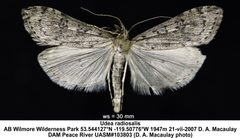
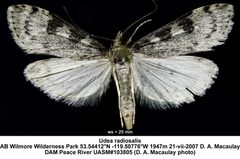
Udea radiosalis is a small in the Crambidae, first described by Möschler in 1883. The occurs across western North America from the Canadian prairies to the southwestern United States. Like other members of its , it is a insect with documented activity on flowering plants. The species is part of a group of moths that have been observed visiting apple blossoms, contributing to nocturnal pollination services in agricultural settings.
Pronunciation
How to pronounce Udea radiosalis: /juːˈdiːə ˌreɪdiˈoʊsəlɪs/
These audio files are automatically generated. While they are not always 100% accurate, they are a good starting point.
Images
Distribution
Recorded from Alberta, Manitoba, and Saskatchewan in Canada; in the United States from Arizona, California, Montana, Nevada, and Utah. Also reported from Newfoundland and Labrador. The spans a broad geographic range across western and central North America, from the Great Plains to the Intermountain West and southwestern deserts.
Behavior
activity has been documented; have been observed visiting apple flowers at night, suggesting engagement in nocturnal pollination .
Similar Taxa
- Udea rubigalisCongeneric with similar appearance and ; both are small crambid in the Udea and have been documented visiting apple flowers as . U. rubigalis is more widely known and may be more common in eastern North America, whereas U. radiosalis occurs primarily in western regions.