Trigrammia quadrinotaria
Herrich-Schäffer, 1855
Four-spotted Angle
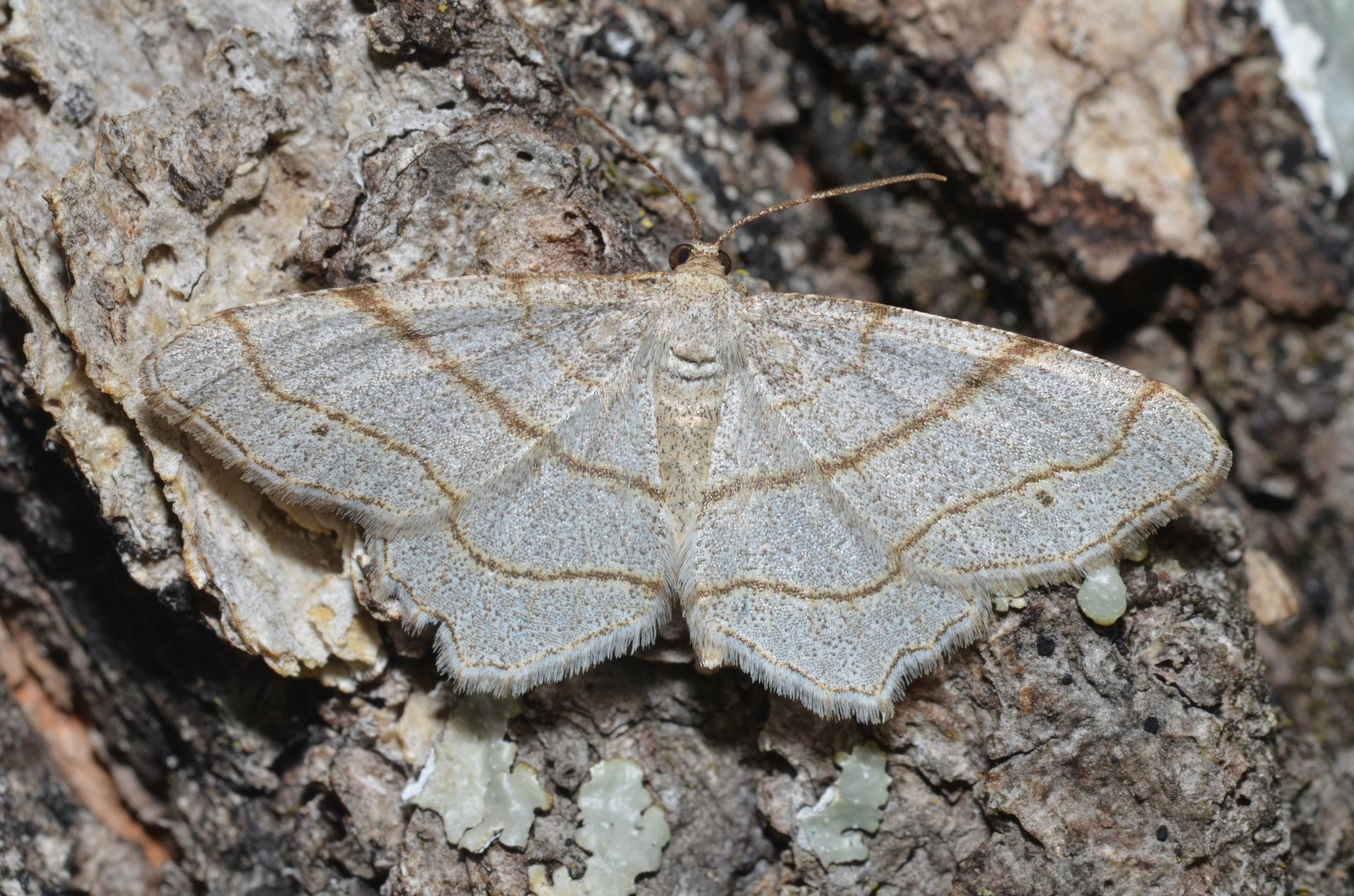
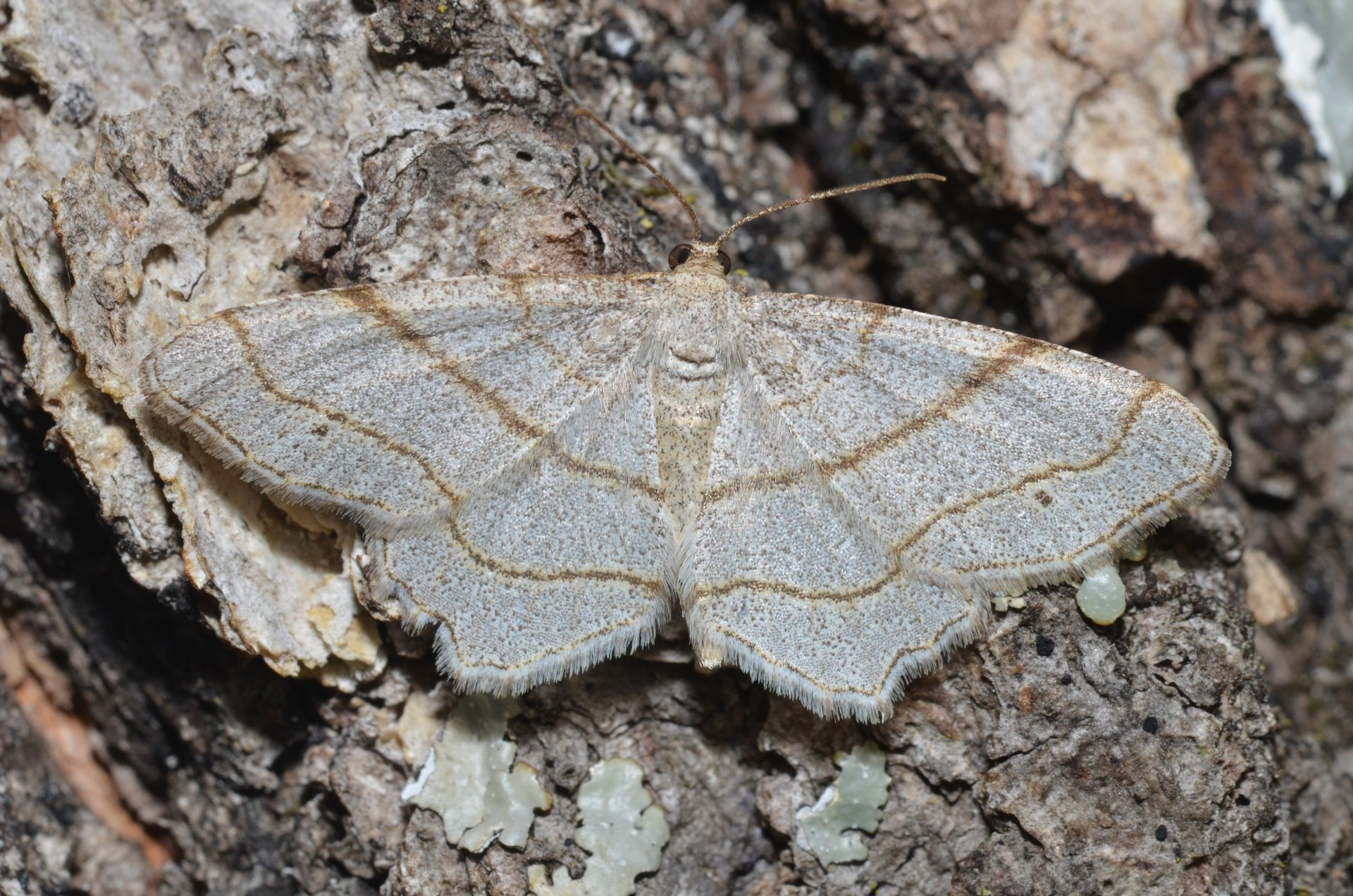
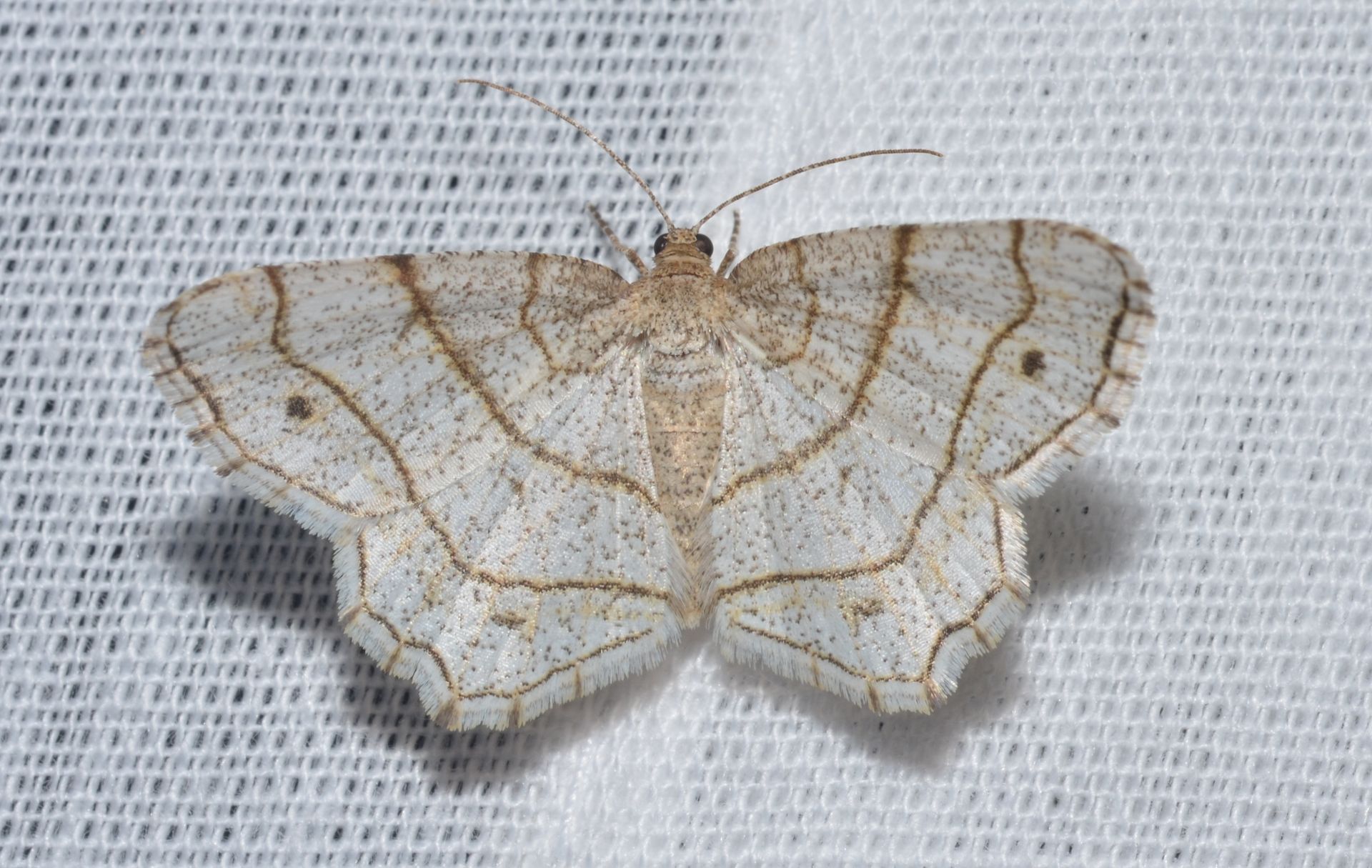
Trigrammia quadrinotaria, commonly known as the Four-spotted Angle, is a North American geometrid in the Geometridae. The was described by Herrich-Schäffer in 1855. It is attracted to blacklight and has been documented in urban and semi-rural settings during spring surveys.
Pronunciation
How to pronounce Trigrammia quadrinotaria: /traɪˈɡræmiə ˌkwɒdrɪnoʊˈtɛəriə/
These audio files are automatically generated. While they are not always 100% accurate, they are a good starting point.
Identification
The "Four-spotted Angle" refers to four distinct spots on the wings, though specific pattern details require examination. As a member of the Ennominae , it shares the typical geometrid resting posture with wings held flat or slightly folded. Accurate identification relies on wing pattern details and genitalia examination for confirmation.
Images
Habitat
Has been observed in semi-rural and suburban environments, including state parks and residential areas with wooded edges. Documented at blacklight stations in front yards and natural areas.
Distribution
North America. Documented observations include Kansas and Missouri in the central United States.
Seasonality
have been observed in late April, suggesting spring period. Blacklight trapping effective for detection during this time.
Behavior
; attracted to ultraviolet light sources. Documented through blacklight trapping in residential settings.
Human Relevance
Documented during citizen science events such as the City Nature Challenge, contributing to biodiversity monitoring data. Attracted to residential blacklight setups, making it accessible for amateur naturalist observation.
Similar Taxa
- Other Trigrammia speciesCongeneric share similar wing patterns and require careful examination of spot configuration and wing shape for separation.
- Other Ennominae geometridsMany geometrid moths have angular wing margins and spotted patterns; definitive identification requires attention to specific spot arrangement and size.
More Details
Citizen Science Documentation
The was documented during the 2024 City Nature Challenge in Leavenworth, Kansas, as part of a 374-observation survey yielding 238 . This highlights its detectability through standard -surveying techniques.