
Usingeriessa
Lange, 1956
Species Guides
2Usingeriessa is a of in the Crambidae, Acentropinae. The genus was established by Lange in 1956 and contains approximately 11 described distributed primarily in the Neotropical region. These moths are part of a group commonly known as aquatic or semi-aquatic crambid moths, though specific ecological details for the genus remain limited.
Pronunciation
How to pronounce Usingeriessa: //juːˌsɪŋɡəˈriːɛsə//
These audio files are automatically generated. While they are not always 100% accurate, they are a good starting point.
Identification
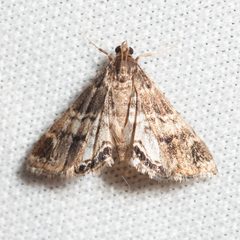
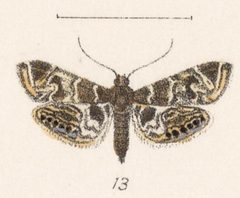
Members of Usingeriessa can be distinguished from related Acentropinae by genitalia characteristics, particularly in male specimens. within the genus show variation in wing pattern, with some exhibiting dark suffusion or distinct markings such as the onyx-like pattern in U. onyxalis. Accurate identification to species level typically requires examination of genitalia structures and reference to original species descriptions.
Images
Distribution
Neotropical region, with records from Central America and South America. Specific countries with documented include Rica, Panama, Colombia, Ecuador, Peru, and Brazil.
Similar Taxa
- Other Acentropinae generaUsingeriessa shares the Acentropinae with numerous other ; differentiation relies on genitalia and wing pattern specifics rather than general habitus.
- PetrophilaBoth belong to Acentropinae and include with similar wing shapes; Petrophila species often show more pronounced banding patterns and different male genitalia structures.
More Details
Etymology
The name honors Robert L. Usinger, an American entomologist known for his work on aquatic insects.
Taxonomic history
Prior to Lange's 1956 establishment of Usingeriessa, now placed in this were distributed among other crambid genera, leading to complex synonymy histories for some species.