
Spilosoma vestalis
Packard, 1864
Vestal tiger-moth, Vestal Tiger Moth
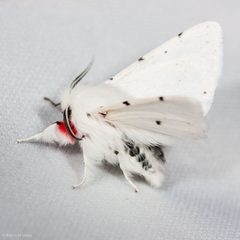
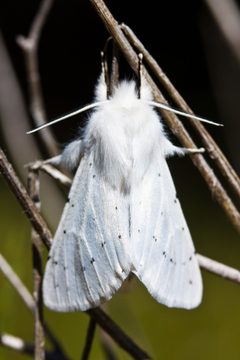
Spilosoma vestalis, the Vestal tiger-, is a of tiger moth in the Erebidae. Described by Alpheus Spring Packard in 1864, it occurs along the Pacific coast of western North America. are active from May to June, with forewing lengths of 19–26 mm. The larvae feed on various woody and herbaceous plants.
Pronunciation
How to pronounce Spilosoma vestalis: //ˌspiːloʊˈsoʊmə vɛˈsteɪlɪs//
These audio files are automatically generated. While they are not always 100% accurate, they are a good starting point.
Identification
Forewing length of 19–26 mm distinguishes it from some . The Pacific coastal distribution from California to Washington and western Idaho helps separate it from eastern North American Spilosoma . active May–June. Larvae associated with Alnus rubra and Quercus garryana.
Images
Habitat
Wet forests, moist forests, coastal rainforests, low elevation mixed hardwood forests, and high elevation mixed conifer forests.
Distribution
Pacific coast of western North America: California north to the Kitsap Peninsula in Washington, and western Idaho.
Seasonality
on wing from May to June.
Diet
Larvae feed on various plants including Alnus rubra (red alder) and Quercus garryana (Oregon white oak).
Host Associations
- Alnus rubra - larval food plantRed alder
- Quercus garryana - larval food plantOregon white oak
Life Cycle
Complete with , larva, pupa, and stages. Larvae overwinter and pupate in spring. Adults emerge May–June.
Ecological Role
Larvae function as herbivores in forest , consuming leaves of woody plants. may visit flowers for nectar, contributing to pollination.
Similar Taxa
- Spilosoma virginicaYellow bear caterpillar, also a tiger moth with similar larval form, but occurs in eastern North America rather than the Pacific coast.
- Pyrrharctia isabellaBanded woolly bear, another tiger moth with similar caterpillar , but has distinct black-orange-black banding pattern and eastern distribution.
More Details
Taxonomic History
Originally described by Alpheus Spring Packard in 1864. Currently classified in Erebidae, Arctiinae (tiger moths), following molecular phylogenetic revisions that moved many former into Erebidae.
Sources and further reading
- BugGuide
- Wikipedia
- GBIF taxonomy match
- iNaturalist taxon
- NCBI Taxonomy
- Catalogue of Life
- Dashing caterpillars predicting weather: Woolly bears, Pyrrharctia Isabella; yellow bears, Spilosoma virginica; and leopard moths, Hypercompe scribionia — Bug of the Week
- Cuckoo Bumble Bees: What We Can Learn From Their Cheating Ways (If They Don't Go Extinct First)
- Stylish Lepidoptera: Ermine Moth, Atteva aurea; Yellow-Collared Scape Moth, Cisseps fulvicollis; Pearl Crescent, Phyciodes tharos; Variegated Fritillary, Euptoieta claudia — Bug of the Week
- Bug Eric: July 2011
- Archive — Bug of the Week