
Stergamataea inornata
Hulst, 1896
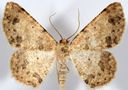
Stergamataea inornata is a of geometrid in the Geometridae, described by George D. Hulst in 1896. It belongs to the Ennominae, one of the largest and most diverse groups within the Geometridae. The species is characterized by its relatively plain or unadorned appearance, as suggested by its specific epithet "inornata" (meaning "unadorned" or "plain"). Very little detailed biological information has been published about this species.
Pronunciation
How to pronounce Stergamataea inornata: /stɛrɡæməˈtiːə ɪˈnɔrnətə/
These audio files are automatically generated. While they are not always 100% accurate, they are a good starting point.
Images
Distribution
North America
More Details
Etymology
The specific epithet "inornata" is derived from Latin, meaning "unadorned," "plain," or "without decoration," likely referring to the relatively subdued wing pattern of this compared to more boldly marked relatives.
Taxonomic History
Described by George D. Hulst in 1896, this has remained within the Stergamataea. The genus Stergamataea is part of the diverse Ennominae , which contains many species with subtle morphological differences that can make identification challenging.
Research Status
This appears to be poorly known biologically. The GBIF database indicates presence records only for North America, and iNaturalist shows only 2 observations, suggesting it is either genuinely rare, underreported, or difficult to detect and identify in the field.