
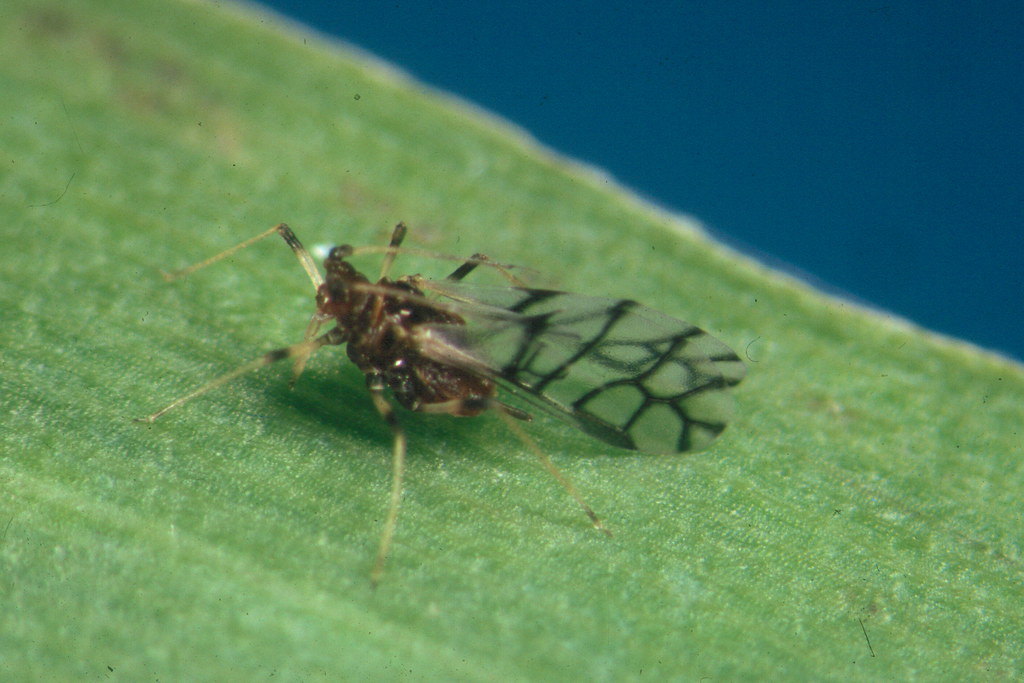
People usually talk about aphids like they are already explained. Tiny green bugs. Bad for the roses. Spray them, squish them, move on. That is not wrong. It is just a very small version of the story.
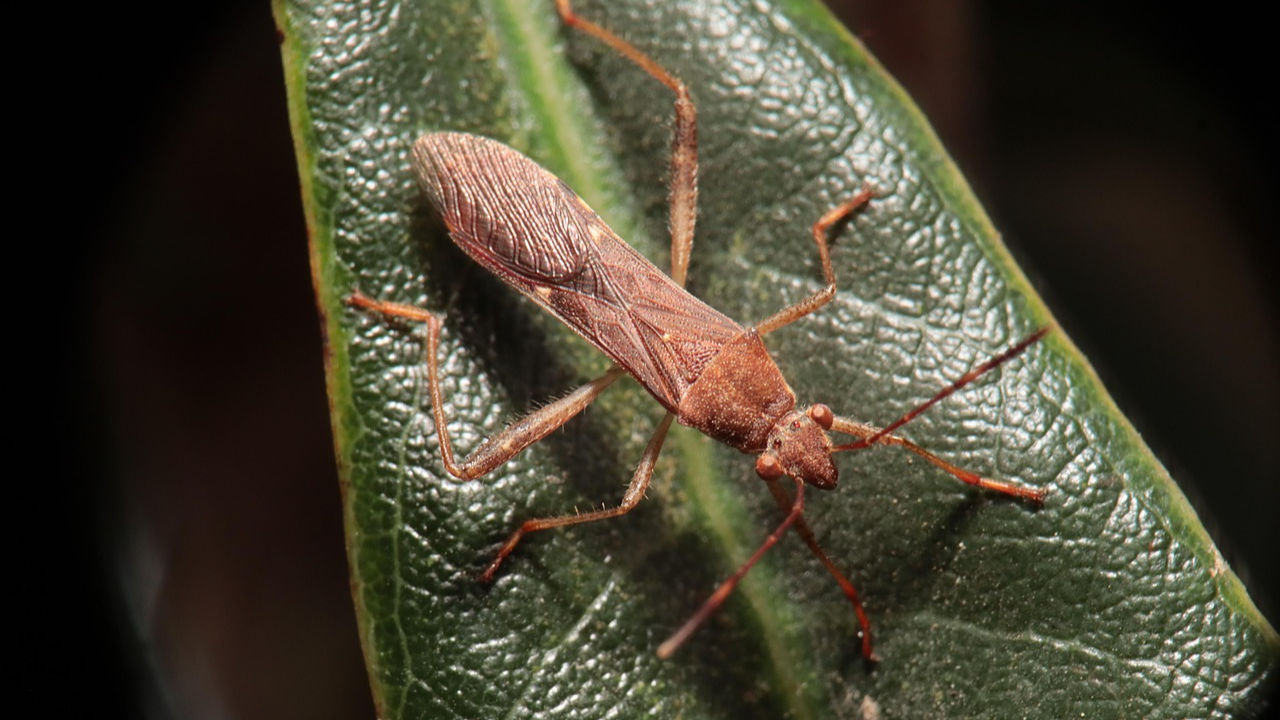
Holcostethus abbreviatus is a species of stink bug in the family Pentatomidae, first described by Uhler in 1872. It is distributed across Central America and North America. The species is part of the genus Holcostethus, which comprises small to medium-sized pentatomid bugs. Based on iNaturalist records, it has been documented in at least 415 observations.
shield-backed bugs
Homaemus is a genus of shield-backed bugs in the family Scutelleridae, containing approximately five described species native to North America. Members of this genus are characterized by their enlarged scutellum that covers most of the abdomen and wings. At least one species, Homaemus proteus, has been documented feeding on ornamental species of Rudbeckia (Asteraceae).
Homaemus aeneifrons is a shield-backed bug in the family Scutelleridae, characterized by the enlarged scutellum that covers most of the abdomen and wings. The species was described by Thomas Say in 1824. Two subspecies are recognized: the nominate form and H. a. extensus. It occurs across Central and North America.
Homaemus variegatus is a species of shield-backed bug in the family Scutelleridae, first described by Van Duzee in 1914. The species belongs to a family commonly known as jewel bugs or shield-backed bugs, characterized by their enlarged scutellum that covers most of the abdomen and wings. Like other members of Scutelleridae, this species is likely phytophagous, feeding on plant sap. The genus Homaemus is native to North America, and this species has been recorded from this region based on available distribution data.
Homalodisca elongata is a species of sharpshooter leafhopper in the family Cicadellidae, tribe Proconiini. It was described by Ball in 1936. The species belongs to a genus containing several economically important vectors of plant pathogens, including the glassy-winged sharpshooter (H. vitripennis), though H. elongata itself has received limited specific study. Like other proconiine sharpshooters, it possesses piercing-sucking mouthparts adapted for feeding on plant xylem.
Mediterranean fig psyllid, fig psylla
Homotoma ficus is a Mediterranean psyllid species in the family Homotomidae, commonly known as the Mediterranean fig psyllid or fig psylla. It has been introduced to regions outside its native range, including Serbia, through the cultivation of fig plants. The species can cause economic damage to its host plant in certain years. First described by Linnaeus in 1758 as Chermes ficus, it is now classified under the genus Homotoma.
damsel bugs
Hoplistoscelis is a genus of damsel bugs in the family Nabidae, first described by Reuter in 1890. The genus contains approximately eight described species distributed in North America. Members of this genus are small predatory true bugs, typically nocturnal hunters that prey on other insects. They are economically significant as natural pest control agents in agricultural systems.
Hoplomachidea consors is a species of plant bug in the family Miridae, first described by Uhler in 1893. It is a small true bug in the order Hemiptera, suborder Heteroptera. The species has been recorded from California and Nevada in the western United States. Like other mirids, it possesses piercing-sucking mouthparts typical of the family.
witch hazel aphids, palm aphids
Hormaphis is a genus of gall-forming aphids in the family Aphididae, containing at least three described species distributed mainly in eastern North America. The genus includes the witch hazel cone gall aphid (H. hamamelidis), which induces distinctive cone-shaped galls on witch hazel (Hamamelis virginiana). Species in this genus exhibit complex host plant manipulation, including alteration of host phenolic metabolism to create favorable gall environments. The life cycle involves a bet-hedging strategy where eggs hatch before host budbreak to ensure gall formation opportunities.
Hortensia is a genus of leafhoppers in the family Cicadellidae, subfamily Cicadellinae, and tribe Cicadellini. The genus was established by Metcalf and Bruner in 1936. Species in this genus are distributed primarily in the Neotropical region, with records from South America including Argentina. Some species, such as Hortensia similis, are associated with agricultural crops including maize and have been studied as vectors of plant diseases.
Common Green Leafhopper
Hortensia similis is a leafhopper species in the family Cicadellidae, originally described as Tettigonia similis by Walker in 1851. It is commonly known as the Common Green Leafhopper and has a wide distribution across the Americas, from the southwestern United States through Central America to South America. The species has been documented in California, Arizona, the British Virgin Islands, and several South American locations including Amazonas and Bahia. It is an agricultural pest associated with maize cultivation in parts of its range, where it serves as a host for various egg parasitoid wasps.
Husseyella is a genus of small water striders in the family Veliidae, established by Herring in 1955. It belongs to the subfamily Microveliinae, a group of minute aquatic true bugs commonly known as riffle bugs or small water striders. Members of this genus inhabit aquatic environments where they skate on the water surface film. The genus is poorly known, with few documented observations and limited published biological information.
Hyaliodes brevis is a species of plant bug in the family Miridae, first described by Knight in 1941. It is known from North America, with confirmed records from Illinois. As a member of the plant bug family, it likely inhabits vegetation where it feeds on plant fluids, though specific ecological details remain poorly documented.
Hart's plant bug
Hyaliodes harti is a species of plant bug in the family Miridae, described by Knight in 1941. It occurs in eastern North America, with records from the United States and Canada. The species belongs to a genus of mirid plant bugs that are often associated with vegetation and can be attracted to artificial light sources. As with many mirids, specific ecological details remain poorly documented in published literature.
Hyaliodini is a tribe of plant bugs within the family Miridae, subfamily Deraeocorinae. Members of this tribe are small to medium-sized predatory or omnivorous true bugs. The tribe has been documented across multiple continents, with observations concentrated in the Americas. Specific biological details remain limited for many constituent genera.
Hyalochloria is a genus of plant bugs in the family Miridae, established by Reuter in 1907. Members of this genus are small, soft-bodied true bugs (Hemiptera) characterized by their pale green or yellowish coloration. The genus is relatively poorly documented, with limited published information on species diversity and biology.
broad-headed bugs
Hyalymenus is a genus of broad-headed bugs in the family Alydidae, established by Amyot & Serville in 1843. The genus comprises approximately six described species distributed primarily in the Americas. Members of this genus are characterized by their distinctive broad, flattened heads, a trait common to the family Alydidae. One species, Hyalymenus tarsatus, is commonly known as the Texas bow-legged bug.
broad-headed bug
Hyalymenus longispinus is a species of broad-headed bug in the family Alydidae, first described by Stål in 1870. It belongs to a family of true bugs characterized by broad, flattened heads. The species has been documented in the Caribbean region and Florida, with 268 observations recorded on iNaturalist. As a member of Alydidae, it is likely associated with leguminous plants, though specific ecological details for this species remain limited.
Hyalymenus subinermis is a broad-headed bug in the family Alydidae, described by Van Duzee in 1923. The species occurs in Central America and North America. As a member of the genus Hyalymenus, it belongs to a group of alydine bugs commonly associated with leguminous plants.
water measurer
Hydrometra australis is a species of water measurer bug in the family Hydrometridae. It inhabits aquatic environments across the Caribbean, Central America, and North America. The species has been documented as a host for parasitic water mites, which can affect its population dynamics.
Nerve-winged Stink Bug
A species of stink bug in the family Pentatomidae, found in eastern North America. The common name refers to the distinctive venation pattern of the wings. Immature stages and egg morphology have been formally described, though detailed biological studies remain limited.
Hymenarcys reticulata is a species of stink bug in the family Pentatomidae, first described by Carl Stål in 1872. The species is known from both North and Middle America based on distribution records. As a member of the Pentatomidae, it belongs to a large family of true bugs characterized by shield-shaped bodies and scent glands. Specific biological details about this species remain poorly documented in available sources.
Hymetta is a genus of leafhoppers (family Cicadellidae, subfamily Typhlocybinae) containing approximately five described species distributed in North America. These are small, delicate insects commonly referred to as "microleafhoppers" due to their minute size. Members of this genus exhibit colorful wing patterns with streaks and bands. The genus was established by McAtee in 1919. One species, Hymetta balteata, has been documented as a host for the egg parasitoid Oligosita sanguinea (Trichogrammatidae) in upstate New York.
Hymetta arizoniana is a species of leafhopper in the family Cicadellidae, subfamily Typhlocybinae. The species was described by Fairbairn in 1928. Members of the genus Hymetta are commonly referred to as microleafhoppers due to their small size. The specific epithet "arizoniana" indicates the species was originally described from Arizona. As a member of the tribe Erythroneurini, this species belongs to a diverse group of small leafhoppers often characterized by colorful markings on their wings.
Spot-sided Coreid
Hypselonotus punctiventris, commonly known as the Spot-sided Coreid, is a leaf-footed bug in the family Coreidae. Adults are notable for their striking color pattern, including a bright red patch on the dorsal surface of the abdomen visible when wings are open. The species is found in the southwestern United States, Mexico, and Central America, where adults feed on a variety of flowering plants. Despite its abundance in some areas, it is rarely considered a pest of agriculture or gardens.
Hypsoprorini is a tribe of treehoppers within the subfamily Membracinae, family Membracidae. The tribe includes genera with extreme pronotal morphologies, notably Cladonota, whose members possess elaborate pronotal expansions among the most pronounced in the family. The tribe is distributed throughout the Neotropics, with documented occurrence from Mexico through Central America to South America, including the Brazilian Caatinga. Members are placed in the treehopper family Membracidae, a group characterized by enlarged pronota that often extend over the body.
Cushion Scale Insects
Icerya is a genus of scale insects in the family Monophlebidae, notable for containing some of the few hermaphroditic insects known to science. The genus includes approximately 50 described species distributed worldwide, with several species being significant agricultural pests. The most economically important species is Icerya purchasi (cottony cushion scale), native to Australia but now cosmopolitan in distribution, which has caused severe damage to citrus crops globally. Several Icerya species exhibit androdioecy—a rare mating system where hermaphrodites and males coexist—with hermaphrodites possessing ovotestes and reproducing primarily through self-fertilization. This reproductive strategy, combined with the sessile nature of adult females, contributes to their invasive potential. The genus is named after physician-naturalist Dr. Edmond Icery of British Mauritius.
Idiocerus interruptus is a leafhopper species in the family Cicadellidae, first described by Gillette & Baker in 1895. It belongs to the subfamily Eurymelinae and tribe Idiocerini. The species is recorded from Colorado, USA, based on available distribution data. As a member of the genus Idiocerus, it shares the characteristic broad, somewhat flattened body form typical of this group of leafhoppers.
Idiocerus setaceus is a species of leafhopper in the family Cicadellidae, described by Hamilton in 1985. It belongs to the subfamily Eurymelinae and tribe Idiocerini, a group characterized by distinctive morphological features. The species has been documented across northern North America, with records from Canadian provinces and territories as well as New York State. As a member of the genus Idiocerus, it shares the group's association with woody host plants, though specific biological details remain poorly documented.
Idiocerus vanduzeei is a species of leafhopper in the family Cicadellidae, described by Hamilton in 1980. The species is currently treated as a synonym of Populicerus vanduzeei in some taxonomic databases, reflecting ongoing taxonomic revision within the genus. Leafhoppers in this genus are typically associated with woody host plants.
Idiotarsus errans is a species of leafhopper in the family Cicadellidae, tribe Cicadellini. It belongs to a genus of relatively small, slender leafhoppers distributed primarily in the Neotropical region. The species was described by the German entomologist Hermann Haupt in 1927 based on specimens from South America. Like other members of its tribe, it likely inhabits vegetation in forested or semi-forested habitats where it feeds on plant phloem.
Illinois Grape Leafhopper
Illinigina illinoiensis is a species of leafhopper in the family Cicadellidae, first described by Gillette in 1898. It belongs to the subfamily Typhlocybinae, a group commonly known as the sharpshooters or leafhoppers. The species is widely distributed across the central and southwestern United States, with records from Illinois, Indiana, Kansas, Arizona, and the District of Columbia. It is commonly referred to as the Illinois Grape Leafhopper, suggesting an association with grape plants (Vitis spp.), though specific host relationships require further documentation. The species has been documented in citizen science platforms with nearly 300 observations, indicating it is moderately well-observed but not extensively studied in formal literature.
Green-striped Thimbleberry Aphid
Illinoia maxima is a species of aphid in the family Aphididae, commonly known as the Green-striped Thimbleberry Aphid. It belongs to the genus Illinoia, a group of aphids associated with various host plants. Information about this species is limited, with only seven observations documented on iNaturalist. The specific epithet 'maxima' suggests relatively large size compared to congeners, though this has not been formally verified.
Ilnacora vittifrons is a species of plant bug in the family Miridae, described by Knight in 1963. It belongs to the genus Ilnacora, a group of mirid bugs found in North America. The species is recorded from the Great Plains region of the United States.
Insignorthezia is a genus of scale insects in the family Ortheziidae, established by Kozár in 2004. Members of this genus are part of the diverse assemblage of ensign scales, characterized by their protective waxy coverings and association with host plants. The genus is known from multiple observations on iNaturalist, suggesting established populations in various regions, though specific ecological details remain limited in published literature.
Ioscytus is a genus of shore bugs in the family Saldidae, established by Reuter in 1912. The genus contains seven described species distributed in North America. These insects are associated with moist shoreline habitats. Members of this genus are part of the leptopodomorphan lineage within the true bugs.
shore bug
Ioscytus politus is a species of shore bug in the family Saldidae, first described by Uhler in 1877 as Salda polita. It belongs to the infraorder Leptopodomorpha within the true bugs (Hemiptera: Heteroptera). Shore bugs in this family are typically associated with moist habitats near water bodies. The species is documented from North America, though specific details about its biology and ecology remain limited in available sources.
Iralunelus politus is a species of flat bug in the family Aradidae, order Hemiptera. Originally described as Aneurus politus by Thomas Say in 1832, this species has been reclassified into the genus Iralunelus. Aradidae, commonly known as flat bugs or bark bugs, are a family of true bugs characterized by their dorsoventrally flattened bodies adapted for living under bark and in other tight spaces. The family is primarily tropical in distribution, though some species extend into temperate regions of North America.
black grass bugs
Irbisia is a genus of plant bugs in the family Miridae, comprising more than 20 described species. Members are small, black insects measuring 5–8 mm in length. They are commonly known as black grass bugs due to their frequent occurrence in spring grasses. The genus was established by Reuter in 1875.
plant bug
Irbisia fuscipubescens is a species of plant bug in the family Miridae, described by Knight in 1941. It belongs to the genus Irbisia, commonly known as black grass bugs. The species is found in northwestern North America, particularly in Washington State. Like other mirids, it possesses piercing-sucking mouthparts.
plant bug
Irbisia mollipes is a species of plant bug in the family Miridae, first described by Van Duzee in 1917. It belongs to the genus Irbisia, commonly known as black grass bugs. The species is found in North America, with confirmed records from California.
black grass bug
Irbisia oreas is a plant bug species in the family Miridae, first described by Bliven in 1963. It belongs to a genus commonly known as black grass bugs. The species is distributed across the southwestern United States and northwestern Mexico, with confirmed records from California, Arizona, and Baja California Norte.
Pacific grass bug
Irbisia pacifica, commonly known as the Pacific grass bug, is a plant-feeding mirid bug in the family Miridae. The species was first described by Uhler in 1872 under the basionym Rhopalotomus pacificus. It is distributed across western North America and Central America. Its feeding activity causes measurable damage to host plants, with effects compounded by drought stress.
black grass bug
Irbisia sericans is a species of plant bug in the family Miridae. It is widely distributed across Europe, Northern Asia (excluding China), and North America. The species is commonly known as a 'black grass bug' and belongs to a genus associated with grass-feeding habits. Like other mirids, it possesses piercing-sucking mouthparts typical of true bugs.
black grass bug
Irbisia solani is a species of plant bug in the family Miridae, first described by Heidemann in 1910. It belongs to the black grass bug genus Irbisia, which contains species known for feeding on grasses and related plants. The species is found in western North America, with records from Arizona, California, Oregon, and Washington. Like other mirids, it possesses piercing-sucking mouthparts used to feed on plant fluids.
Wheat Chinch-bugs
Ischnodemus is a genus of true bugs in the family Blissidae containing approximately 95 species. Adults are characterized by moderately to very elongated bodies, reflected in the genus name derived from Greek for 'feeble body.' The genus has a cosmopolitan distribution across all major zoogeographic regions and shows strong associations with grasses (Poaceae), with some species utilizing sedges (Cyperaceae). Several species are economically significant, including I. variegatus (Myakka bug), an introduced species in North America being evaluated as a biological control agent for invasive West Indian marsh grass.
Ischnodemus conicus is a species of true bug in the family Blissidae, first described by Van Duzee in 1909. It is found in North America, with confirmed records from the United States. The genus Ischnodemus belongs to the lygaeoid superfamily, a group of seed bugs and chinch bugs. Specific ecological details about this species remain poorly documented in available sources.
Ischnodemus hesperius is a species of true bug in the family Blissidae, described by Parshley in 1922. It is part of a genus whose members are commonly known as chinch bugs, many of which are associated with grasses and sedges. The species has been documented in North America, with specific records from the United States and Manitoba, Canada. Published information on its biology and ecology remains limited.
myakka bug
Ischnodemus variegatus, commonly known as the myakka bug, is a true bug in the family Blissidae native to Central and South America. The species was first recorded in Florida in 2000, where it was discovered feeding on the invasive West Indian marsh grass (Hymenachne amplexicaulis) in Myakka River State Park. It has been extensively studied as a potential biological control agent for this invasive wetland weed due to its high host specificity. The bug is small, with females reaching about 7 mm and males about 6 mm in length, and produces a noxious scent when disturbed.
Ischnorhynchinae is a subfamily of seed bugs in the family Lygaeidae, comprising approximately 16 genera and more than 70 described species. Members are small, terrestrial insects characterized by translucent or transparent plate-like structures covering the thorax (pronota). The subfamily has been subject to taxonomic debate, with some authors treating it as a separate family (Ischnorhynchidae), though current consensus places it within Lygaeidae.