
Hoplistoscelis
Reuter, 1890
damsel bugs
Species Guides
3- Hoplistoscelis heidemanni(damsel bug)
- Hoplistoscelis pallescens(damsel bug)
- Hoplistoscelis sericans(damsel bug)
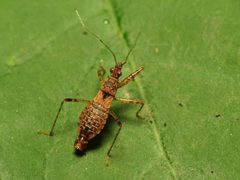
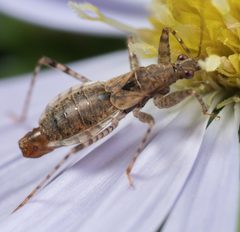
Hoplistoscelis is a of damsel bugs in the Nabidae, first described by Reuter in 1890. The genus contains approximately eight described distributed in North America. Members of this genus are small predatory true bugs, typically hunters that prey on other insects. They are economically significant as natural pest control agents in agricultural systems.
Pronunciation
How to pronounce Hoplistoscelis: //hɒˈplɪstoʊˌskɛlɪs//
These audio files are automatically generated. While they are not always 100% accurate, they are a good starting point.
Identification
Hoplistoscelis can be distinguished from the similar Nabis by structural features of the male genitalia, though these require microscopic examination. Species within Hoplistoscelis are separated based on subtle differences in coloration, body proportions, and genitalic structures. The genus lacks the pronounced fossa spongiosa on the front tibiae found in the ground-dwelling genus Pagasa. Like other damsel bugs, Hoplistoscelis lacks the (a notch in the wing margin) present in plant bugs (Miridae) and has a shorter rostrum than most plant-feeding true bugs.
Images
Distribution
North America, with records from the United States including Massachusetts, Colorado, Texas, and Vermont.
Seasonality
have been observed from early spring through late fall.
Diet
Predatory, feeding on other insects including prey larger than themselves. Specific prey records for Hoplistoscelis are limited, though the Nabidae as a whole preys on various small insects and other arthropods.
Behavior
. Solitary, not forming swarms. Timid and not prone to biting humans.
Ecological Role
of other insects. Considered economically important for pest control in agricultural systems due to effectiveness as a natural enemy of crop pests.
Human Relevance
Beneficial for agriculture as agents. If handled, may bite in self-defense, causing minor pain but posing no danger to humans. Not medically significant.
Similar Taxa
- NabisOther common damsel bug ; Hoplistoscelis distinguished by male genitalia structures requiring microscopic examination.
- PagasaGround-dwelling damsel bugs with fossa spongiosa on front tibiae for climbing slick surfaces; Hoplistoscelis lacks this .
- Miridae (plant bugs)Similar body form but possess a (notch in wing margin) and longer rostrum; Hoplistoscelis lacks cuneus and has shorter rostrum.
- Reduviidae (assassin bugs)Most assassin bugs are larger than Hoplistoscelis; both share short rostrum compared to plant-feeding .
More Details
Species Count Discrepancy
Sources differ on count: Wikipedia lists eight described species, while iNaturalist cites approximately seven. The most recent authoritative treatment (Kerzhner & Henry 2008) should be consulted for current status.
Taxonomic Authority
Established by Reuter in 1890.