
Homotoma ficus
(Linnaeus, 1758)
Mediterranean fig psyllid, fig psylla
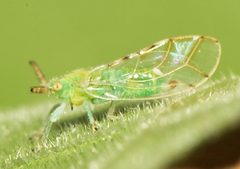
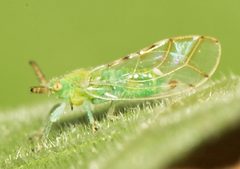
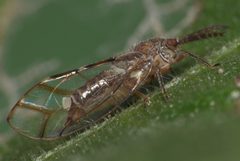
Homotoma ficus is a Mediterranean in the Homotomidae, commonly known as the Mediterranean fig psyllid or fig psylla. It has been introduced to regions outside its native range, including Serbia, through the of fig plants. The species can cause economic damage to its plant in certain years. First described by Linnaeus in 1758 as Chermes ficus, it is now classified under the Homotoma.
Pronunciation
How to pronounce Homotoma ficus: //hoʊˈmɒtoʊmə ˈfaɪkəs//
These audio files are automatically generated. While they are not always 100% accurate, they are a good starting point.
Images
Habitat
Associated with cultivated fig plants (Ficus carica); specific microhabitat preferences not documented in available sources.
Distribution
Native to the Mediterranean region. Introduced to Serbia where it has been found in 12 localities. Records also indicate presence in North America based on GBIF data, though these may represent additional introduced .
Diet
Phloem sap feeder on Ficus .
Host Associations
- Ficus carica - primary Cultivated fig; primary for feeding and
- Ficus - -level Broader Ficus association documented for congeneric
Life Cycle
, larva (nymph), and stages have been described with illustrations. Multiple nymphal instars occur. Specific developmental duration and voltinism not documented in available sources.
Human Relevance
Agricultural pest of cultivated fig (Ficus carica). Can cause economic damage to plants in certain years, though damage severity varies annually. Introduced outside native range are associated with fig .
Similar Taxa
- Homotoma eastopiCongeneric also associated with Ficus ; distinguished by geographic distribution (southern Cameroon vs. Mediterranean/introduced range of H. ficus) and presumably morphological details of stages
- Trioza brevigenaeAnother associated with Ficus; distinguished by leaf-rolling gall formation on Ficus microcarpa rather than direct feeding damage on F. carica
Sources and further reading
- BugGuide
- GBIF taxonomy match
- iNaturalist taxon
- NCBI Taxonomy
- Catalogue of Life
- Don't Bet Your Hedges: IPM Guide Outlines Ficus Whitefly Management
- A New Psyllid Pest on Ornamental Trees in California
- The 213-year old “Gran Gomero” | Beetles In The Bush
- ID Challenge #21 | Beetles In The Bush
- March | 2013 | Beetles In The Bush
- Super Crop Challenge #10 | Beetles In The Bush
- The first finding of the fig psylla Homotoma ficus L. (Hemiptera, Psylloidea, Homotomidae) in Serbia
- The Immatures and Host Plant Range of theFicus-Feeding Jumping Plant-LouseHomotoma eastopi(Hemiptera: Psylloidea) in Southern Cameroon