
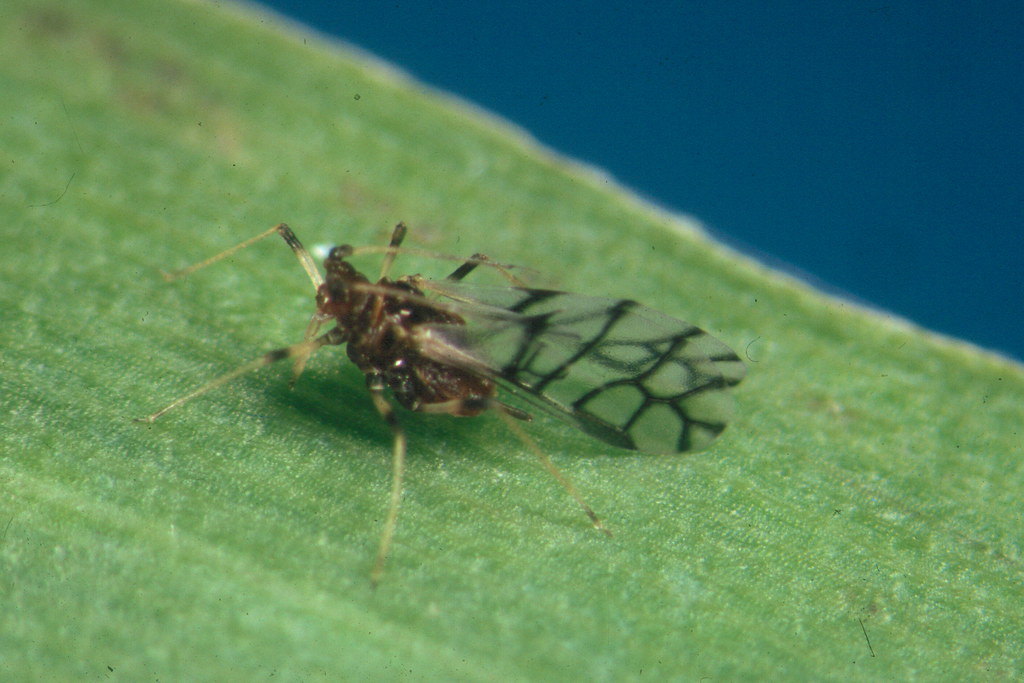
People usually talk about aphids like they are already explained. Tiny green bugs. Bad for the roses. Spray them, squish them, move on. That is not wrong. It is just a very small version of the story.
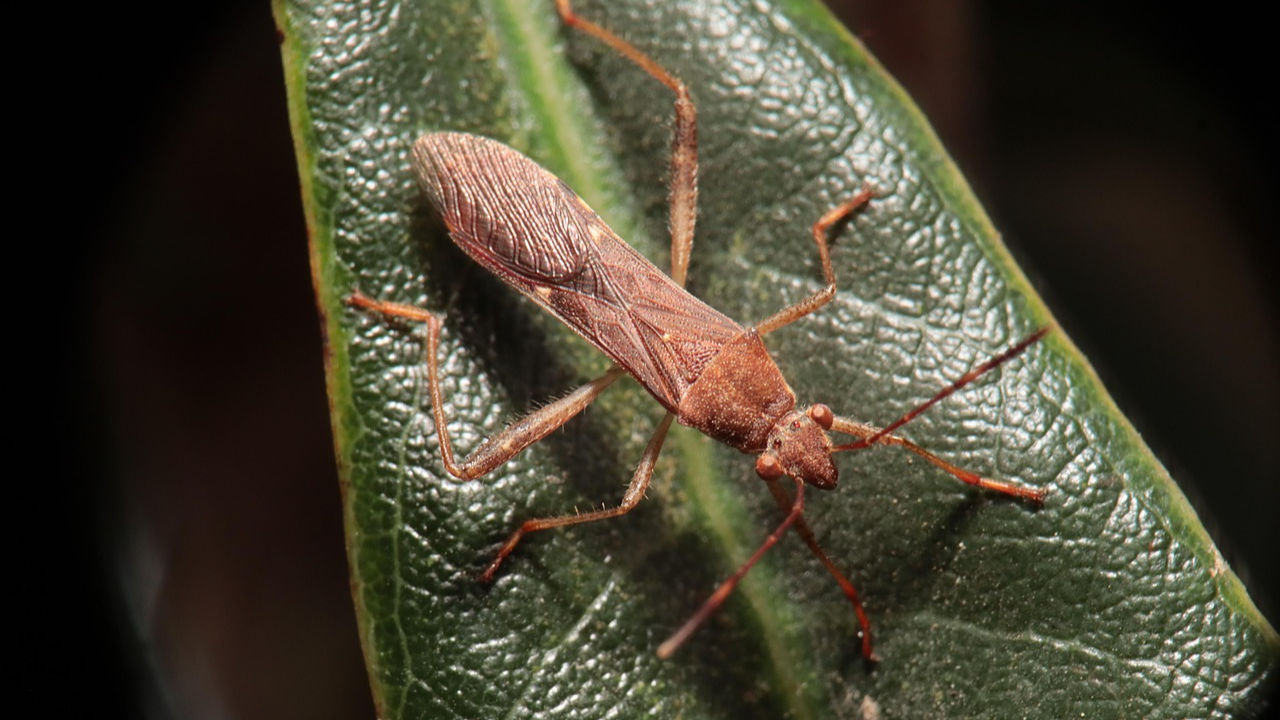
Isodelphax is a genus of delphacid planthoppers in the family Delphacidae, established by Fennah in 1963. The genus contains at least two described species: Isodelphax basivitta (Van Duzee, 1909) and Isodelphax nigridorsum. Members of this genus are small, winged insects belonging to the true bug order Hemiptera. As delphacid planthoppers, they are characterized by a movable spur on the hind tibia, a diagnostic feature of the family Delphacidae.
Issinae is a subfamily of planthoppers within the family Issidae (Hemiptera: Fulgoroidea). The group contains multiple tribes including the recently erected Picumnini and subtribe Duroidina within Parahiraciini. Taxonomic revisions continue to clarify relationships within this subfamily, particularly regarding New World taxa. The subfamily is characterized by specific morphological features including wing venation and body form typical of the Issidae family.
Issini is a tribe of small planthoppers within the family Issidae, characterized by stocky, usually brownish bodies measuring 5–20 mm. Members possess hemispherical body shapes and often exhibit reduced flight capability despite having developed wings, preferring crawling and jumping in vegetation. The tribe is distributed across the Oriental realm, with significant diversity in southern China. Issini includes four subtribes: Hemisphaeriini, Parahiraciini, Issini, and Colpopterini.
big-eyed bug
Isthmocoris imperialis is a species of big-eyed bug in the family Geocoridae, a group of small predatory true bugs. The species occurs in Central America and North America, with records from the United States, Mexico, and Guatemala. Big-eyed bugs are generally recognized as beneficial predators in agricultural and natural systems.
big-eyed bug
Isthmocoris piceus is a species of big-eyed bug in the family Geocoridae. It is a predatory true bug found in North America. The species was described by Thomas Say in 1831. As a member of Geocoridae, it likely participates in biological control of small arthropod pests, though specific ecological studies on this species appear limited.
Ixapiini is a small tribe of shield bugs within the family Acanthosomatidae, comprising the single genus Ixapion. These insects are characterized by their distinctive body shape and are primarily distributed in the Neotropical region. The group represents one of the more specialized lineages within the Acanthosomatidae, though detailed biological studies remain limited.
Izyaius sericeus is a species of plant bug in the family Miridae. The species was described by Heidemann in 1892. It belongs to the genus Izyaius, which is part of the diverse mirid fauna of North America. The specific epithet "sericeus" refers to a silky or silken appearance, suggesting a characteristic of the integument or pubescence.
Javesella discolor is a species of planthopper in the family Delphacidae, a group of small, plant-feeding insects in the order Hemiptera. The species was described by Boheman in 1847. Records indicate presence in northern and central Asian regions including Alaska and parts of Russia. As a member of Delphacidae, it possesses the characteristic features of this family including a movable spur on the hind tibia. The species is documented in natural history collections and citizen science observations, though detailed biological studies appear limited.
Jikradia olitoria olitoria is a leafhopper subspecies in the family Cicadellidae. It has been identified as a potential vector of phytoplasmas causing North American Grapevine Yellows (NAGY), specifically transmitting the NAGYIIIβ strain of 'Candidatus Phytoplasma pruni'-related phytoplasma in artificial feeding assays. The subspecies exhibits seasonal movement from woodland vegetation into vineyard edges.
Joruma is a genus of leafhoppers in the family Cicadellidae, subfamily Typhlocybinae, and tribe Empoascini. It was established by McAtee in 1924. Members of this genus are small, delicate leafhoppers characteristic of the Typhlocybinae, a group known for reduced wing venation and plant-feeding habits. The genus is part of the diverse Membracoidea superfamily within the Auchenorrhyncha.
Joruma minuta is a species of leafhopper in the family Cicadellidae, first described by Lawson in 1930. It belongs to the subfamily Typhlocybinae, a group commonly known as typhlocybine leafhoppers. Very little is known about this species beyond its taxonomic classification. The genus Joruma is part of the tribe Empoascini, which includes many small, often economically important leafhoppers.
Juniperthia indella is a species of planthopper in the family Achilidae, first described by Ball in 1933. It belongs to the tribe Plectoderini within the subfamily Myconinae. Records indicate this species occurs in the southwestern United States.
Juniperthia producta is a species of planthopper in the family Achilidae, first described by Van Duzee in 1915. Like other members of Achilidae, it belongs to the superfamily Fulgoroidea within the order Hemiptera. The species has been recorded from California, USA, based on distribution data from GBIF and iNaturalist. As with many fulgoroid planthoppers, detailed natural history information for this species remains limited.
Kalama is a genus of true bugs in the family Tingidae, commonly known as lace bugs. These small, flattened insects are characterized by their intricate, reticulated wing covers that give them a lace-like appearance. The genus was established by Puton in 1876 and contains species distributed across northern Europe, with records from Denmark, Norway, and Sweden.
hairy lacebug, gorse lacebug
Kalama tricornis is a species of lace bug in the family Tingidae, commonly known as the gorse lacebug or hairy lacebug. The species has a broad geographic distribution spanning Africa, Europe and Northern Asia (excluding China), North America, and Southern Asia. As a member of the Tingidae family, it exhibits the characteristic reticulated, lace-like wing patterns that define lace bugs. The species was originally described by Schrank in 1801 and has been placed in the genus Dictyonota in some taxonomic treatments, though Kalama is the currently accepted genus.
Katacephala grandiceps is a species of jumping plant louse (psyllid) in the family Liviidae, subfamily Diaphorininae. First described by Crawford in 1914, it serves as the type species for the genus Katacephala. The genus comprises six species distributed in the Neotropics, all associated with host plants in the family Myrtaceae.
Kathleenum cornutum cornutum is a subspecies of planthopper in the family Issidae, described by Melichar in 1906. It belongs to the infraorder Fulgoromorpha, a group of hemipteran insects commonly known as planthoppers. The specific epithet 'cornutum' (Latin for 'horned') suggests the presence of horn-like projections, a trait found in various Issidae species. This subspecies is part of the Neotropical issid fauna, though detailed biological studies remain limited.
Kathleenum cornutum utahnum is a subspecies of planthopper in the family Issidae, originally described by Ball in 1935. It belongs to a group of small, often cryptic insects commonly known as issid planthoppers or twig hoppers. The subspecies epithet 'utahnum' indicates a geographic association with Utah, distinguishing it from the nominate subspecies. Like other issids, it likely inhabits grassland or shrubland environments where it feeds on plant phloem sap.
Kelisia hyalina is a species of planthopper in the family Delphacidae, described by Beamer in 1945. It belongs to the subfamily Kelisiinae, a group of small insects commonly known as delphacid planthoppers. The species has been recorded from several localities in North America including Illinois, Kansas, Ontario, and Québec. As a member of the Delphacidae, it is presumed to feed on plant phloem sap, though specific host associations for this species have not been documented in the available literature.
Kelisiinae is a subfamily of planthoppers within the family Delphacidae, established by Wagner in 1963. Members are small, sap-feeding insects in the order Hemiptera. The subfamily is relatively poorly studied compared to other delphacid groups, with limited published information on its constituent genera and species. It is distinguished from other delphacid subfamilies primarily on morphological grounds.
Kelisoidea versa is a species of planthopper in the family Delphacidae, described by Beamer in 1950. It belongs to the genus Kelisoidea within the tribe Delphacini. The species is part of the diverse Auchenorrhyncha suborder of Hemiptera, which includes many economically significant agricultural pests. As a delphacid planthopper, it likely shares the family's characteristic association with grasses and sedges, though specific biological details remain poorly documented in accessible literature.
Keltonia is a genus of plant bugs in the family Miridae, containing approximately 13 described species. The genus was established by Knight in 1966. At least one species, Keltonia robusta, has been documented as a specialist herbivore on woody mints (Lamiaceae).
A small planthopper species in the family Delphacidae, described from North America in 1950. Records indicate presence in the southeastern United States. As with many delphacid planthoppers, it likely inhabits grassland and wetland habitats where host grasses occur.
Kleidocerys virescens is a seed bug species in the family Lygaeidae, first described by Fabricius in 1794. It belongs to a genus of small, often greenish-tinged bugs associated with seed feeding. The species has a broad distribution across the Caribbean, Central America, and southern North America.
A small plant bug in the family Miridae, originally described as Lygus distinctus by Knight in 1917 and later transferred to the monotypic genus Knightomiris in 1973. The genus was established based on distinctive morphological features including male genitalia structure. This species belongs to a large family of true bugs commonly known as plant bugs or capsid bugs.
Koebelia californica is a species of leafhopper in the family Cicadellidae, first described by Baker in 1897. It belongs to the subfamily Deltocephalinae and tribe Athysanini. The species is known from limited distributional records in western North America.
Koebelia grossa is a leafhopper species in the family Cicadellidae, described by Ball in 1909. It belongs to the genus Koebelia, which is placed in the tribe Athysanini within the subfamily Deltocephalinae. The species has been documented from California based on distribution records. As a member of the Auchenorrhyncha, it possesses piercing-sucking mouthparts typical of true bugs.
Kormus californicus is a species of planthopper in the family Delphacidae, first described by Crawford in 1914. It belongs to the infraorder Fulgoromorpha, a group commonly known as planthoppers. The species is endemic to California, where it has been documented in distribution records. Like other delphacids, it is a small, sap-feeding insect associated with grassland and wetland habitats. Beyond its taxonomic classification and geographic occurrence, specific biological details remain poorly documented in available literature.
Kosswigianella analis is a species of delphacid planthopper in the family Delphacidae. It was described by Crawford in 1914. The species is known from North America. Like other delphacid planthoppers, it belongs to a group of small, sap-feeding insects associated with grasses and sedges.
Kunzeana is a genus of leafhoppers in the family Cicadellidae, established by Oman in 1949. The genus belongs to the subfamily Typhlocybinae and tribe Dikraneurini. It contains more than 30 described species. Members are small, plant-feeding insects with piercing-sucking mouthparts typical of the family.
Kunzella is a genus of leafhoppers in the family Cicadellidae, subfamily Typhlocybinae, and tribe Dikraneurini. It was established by Young in 1952. Members of this genus belong to a diverse group of small, plant-feeding insects known for their jumping ability and association with vascular plants. The genus is poorly documented in public sources, with minimal observational records available.
Kusnezoviella munda is a species of planthopper in the family Delphacidae, described by Beamer in 1948. It belongs to the infraorder Fulgoromorpha within the suborder Auchenorrhyncha. The species has been documented from Alberta, Canada and Colorado, USA. As with other delphacid planthoppers, it is associated with grassland and wetland habitats where host plants occur.
Bamboo Thread Scales
Kuwanaspis is a genus of armored scale insects (family Diaspididae) known commonly as bamboo thread scales. The genus comprises approximately 20 species, with Kuwanaspis howardi being the most documented. These insects are specialized feeders on bamboo (Poaceae: Bambusoideae), particularly species in the genera Phyllostachys and Pleioblastus. They are recognized as economically significant pests in bamboo cultivation and serve as hosts for specialized entomopathogenic fungi.
Kuwania is a genus of scale insects in the family Kuwaniidae (sometimes historically placed in Margarodidae). The genus was established by Cockerell in 1903. Scale insects in this group are characterized by reduced morphology in adult females, often appearing as immobile, waxy coverings on host plants. The family Kuwaniidae is considered a distinct lineage within the Coccoidea, though its taxonomic placement has been subject to revision.
Kuwayama medicaginis is a species of psyllid in the family Triozidae, first described by Crawford in 1910. It belongs to a genus of jumping plant-lice that feed on host plants. The specific epithet medicaginis suggests an association with Medicago (legume) species, though detailed biological information remains limited in available sources.
Kyboasca bipunctata is a species of leafhopper in the family Cicadellidae, subfamily Typhlocybinae. Originally described as Chloria bipunctata by Oshanin in 1871, this small true bug belongs to the tribe Empoascini, a group known for containing many economically significant agricultural pests. The genus Kyboasca is part of the diverse leafhopper fauna found across the Palearctic and Nearctic regions. As a member of the Typhlocybinae, it possesses the characteristic reduced wing venation and specialized mouthparts for piercing-sucking plant feeding typical of this subfamily.
Kyboasca splendida is a leafhopper species in the family Cicadellidae, subfamily Typhlocybinae. First described by Gillette in 1898, this species belongs to a genus of small, plant-feeding insects commonly known as leafhoppers. Members of this subfamily are characterized by their reduced wing venation and association with host plants.
Kybos is a genus of leafhoppers in the family Cicadellidae, subfamily Typhlocybinae. Species occur in Europe, New Zealand, Northern America, and Central Asia. At least six species have been documented in Kyrgyzstan, with four being native and endemic to Central Asia and two apparently introduced. Males produce species-specific vibrational calling signals used in mate recognition.
Kybos copula is a species of leafhopper in the family Cicadellidae, subfamily Typhlocybinae. The species was described by DeLong in 1931 and is currently accepted as valid. It belongs to the tribe Empoascini, a group of small, often economically significant leafhoppers. The specific epithet "copula" refers to mating or joining together.
Kybos coronatus is a species of leafhopper in the family Cicadellidae, described by Hamilton in 1972. It belongs to the subfamily Typhlocybinae, a group of small leafhoppers characterized by reduced wing venation. The species has been recorded from multiple provinces across Canada including Alberta, British Columbia, Manitoba, Ontario, and Québec. Like other members of the genus Kybos, it is likely associated with vascular plants, though specific host relationships remain undocumented.
Kybos luda is a species of leafhopper in the family Cicadellidae, subfamily Typhlocybinae. The species was described by Davidson and DeLong in 1938. It belongs to a genus of small, often inconspicuous leafhoppers that feed on plant sap. Distribution records indicate presence in both North America and Eurasia.
Kybos tigris is a species of leafhopper in the family Cicadellidae, first described by Hamilton in 1972. It belongs to the subfamily Typhlocybinae, a group known for their small size and often cryptic habits on host plants. The species has been recorded in British Columbia, Canada. As with many Typhlocybinae, specific biological details remain poorly documented.
Three-banded Leafhopper
Kybos trifasciatus is a species of leafhopper in the family Cicadellidae, subfamily Typhlocybinae. It is a small, plant-feeding insect known from scattered records across western and central North America. The species name 'trifasciatus' refers to three bands, likely describing markings on the body or wings. As a member of the Empoascini tribe, it shares characteristics with other economically significant leafhoppers, though specific ecological impacts for this species remain poorly documented.
Labopella claripennis is a species of plant bug in the family Miridae, described by Knight in 1929. It belongs to a genus of mirid bugs found in North America. The species is documented from the southwestern United States, specifically New Mexico and Texas. As with many mirid species, detailed biological information remains limited in available literature.
grass bugs, black grass bugs
Labops is a genus of plant bugs in the family Miridae containing approximately 13 described species. Species within this genus are commonly known as grass bugs or black grass bugs and are associated with grassland habitats. Labops hesperius, the most studied species, is a significant pest of rangeland grasses in western North America. The genus is characterized by its association with Poaceae hosts and its economic impact on seed production in range and forage grasses.
Labops hirtus is a species of plant bug in the family Miridae, first described by Knight in 1922. It is native to North America, with confirmed records from Canada (Ontario) and the United States (Nevada, Wisconsin). As a member of the plant bug family, it belongs to a diverse group of true bugs that feed on plant tissues.
Laccocera flava is a species of delphacid planthopper in the family Delphacidae, first described by Crawford in 1914. It belongs to a group of small, sap-feeding insects commonly associated with grasses and sedges. The species has been recorded in western North America.
Laccocera lineata is a species of planthopper in the family Delphacidae, first described by Scudder in 1963. It belongs to the order Hemiptera, a group characterized by piercing-sucking mouthparts. The species is part of the genus Laccocera, which is classified within the tribe Delphacini. Distribution records indicate presence in western North America, specifically in the Canadian provinces of Alberta, British Columbia, and Saskatchewan, as well as the U.S. state of Washington.
Laccocera minuta is a species of planthopper in the family Delphacidae, described by Penner in 1945. It belongs to the genus Laccocera, which comprises small delphacid planthoppers. The species has been recorded from Arizona, North America. Like other delphacids, it is likely associated with grass or sedge hosts, though specific ecological details remain poorly documented.
Laccocera obesa is a planthopper species in the family Delphacidae, first described by Van Duzee in 1897. It belongs to a family known for including significant agricultural pests, particularly of cereal crops. The species has been recorded across western North America from Alberta to California.