
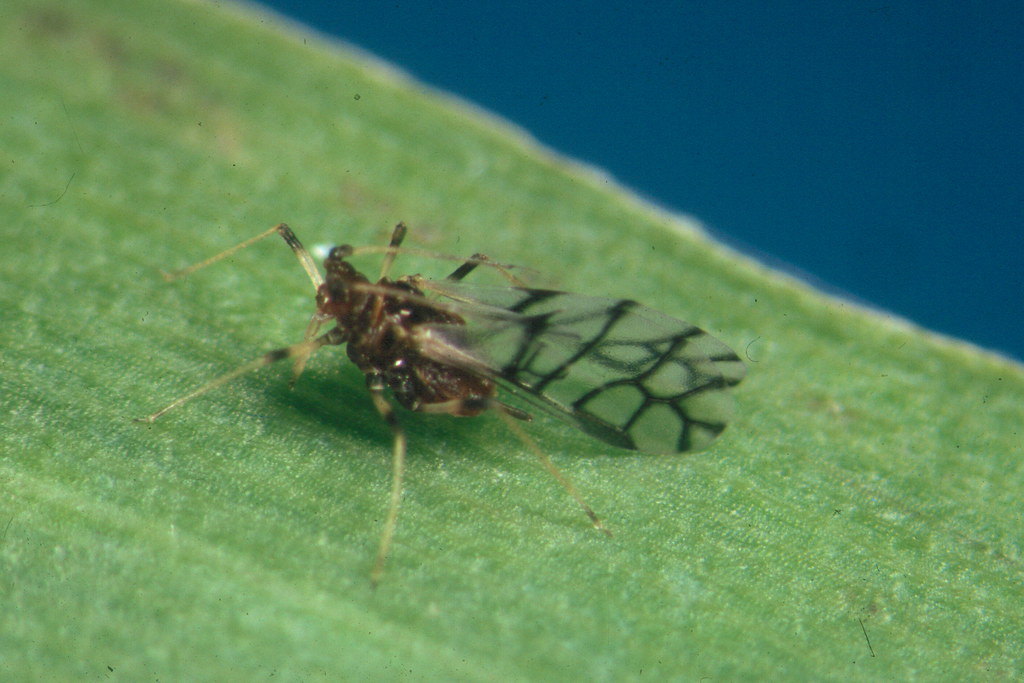
People usually talk about aphids like they are already explained. Tiny green bugs. Bad for the roses. Spray them, squish them, move on. That is not wrong. It is just a very small version of the story.
Macrosteles oregonensis is a leafhopper species in the family Cicadellidae, described by Kwon & Kwon in 2022. The species is known from Oregon. As a member of the genus Macrosteles, it belongs to a group of small, slender leafhoppers that are commonly associated with grasses and sedges. The species was recently described and detailed biological information remains limited.
Macrosteles pallidus is a species of leafhopper in the family Cicadellidae, first described by Osborn in 1915. It belongs to the genus Macrosteles, a group of small leafhoppers known for their association with grasses and their role as vectors of plant pathogens. The species name "pallidus" refers to its pale coloration. Like other members of its genus, it is likely a phloem-feeding insect that inhabits grassland and meadow environments.
Macrosteles tesselatus is a species of leafhopper in the family Cicadellidae, described by Hamilton in 1983. The species belongs to the genus Macrosteles, a group of small, agile insects commonly associated with grasses and herbaceous plants. Like other members of its genus, it is presumed to feed on plant phloem. The species has been documented across northern North America including Alaska and multiple Canadian provinces.
Macrotylus amoenus is a species of plant bug in the family Miridae, described by Reuter in 1909. It is found in North America, with confirmed records from Connecticut in the United States. As a member of the genus Macrotylus, it belongs to a group of mirid bugs typically associated with vegetation.
Macrotylus intermedius is a species of plant bug in the family Miridae, described by Wagner in 1950. It belongs to a genus of small, often inconspicuous true bugs that are primarily associated with herbaceous vegetation. The species is documented from Dalmatia (Croatia) based on distribution records. Like other members of Macrotylus, it likely inhabits dry, open habitats where its host plants grow, though specific biological details remain poorly documented in available sources.
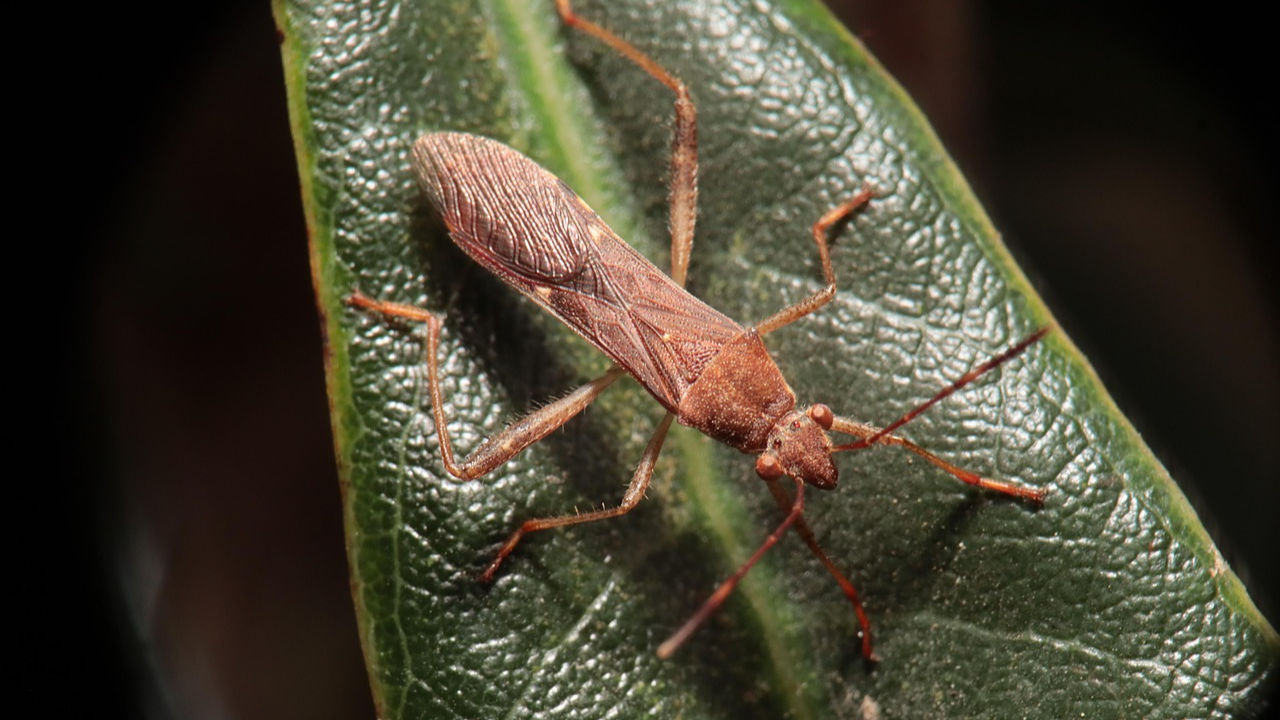
Madura is a genus of leaf-footed bugs (Coreidae) described by Stål in 1860. These true bugs belong to the subfamily Hydarinae and are found in the New World tropics and subtropics, with records from Mexico, the Caribbean, Panama, and Texas. The genus comprises multiple species of medium to large-sized heteropterans characterized by their expanded hind tibiae and leaf-like expansions on the hind legs typical of the family Coreidae.
Decula Periodical Cicada
Magicicada septendecula is one of three species of 17-year periodical cicadas endemic to the eastern United States. It is typically the rarest of the three species in mixed-species populations and exhibits stronger habitat specificity than its congeners. The species prefers upland woodland habitats dominated by hickories and walnuts, particularly Carya glabra (pignut hickory), and shows a strong association with Juglandaceae host trees. First described in 1962, it has been recorded from Connecticut southward through the eastern states, with the northeastern-most record from Totoket Mountain in North Branford, Connecticut in 2013. M. septendecula is distinguished from M. septendecim by its smaller body size and hind tibial length (less than 6.3 mm versus 6.3 mm or greater). The species exhibits greater susceptibility to delayed emergence compared to other Magicicada species, which may contribute to its comparative rarity.
Malacocoris is a genus of plant bugs in the family Miridae, established by Fieber in 1858. The genus contains at least two described species: Malacocoris chlorizans and Malacocoris elongatus. Species are distributed across Europe and North America, with confirmed records from Denmark, Norway, and Sweden.
Malezonotus fuscosus is a species of dirt-colored seed bug in the family Rhyparochromidae, described by Barber in 1918. The species belongs to the tribe Gonianotini and is known from the United States. As with other members of Rhyparochromidae, it is likely associated with ground-level habitats and seed-feeding ecology, though specific natural history details remain poorly documented in the accessible literature.
Manzutus is a genus of leafhoppers in the family Cicadellidae, tribe Cicadellini, described by Oman in 1949. It belongs to the subfamily Cicadellinae, a group characterized by robust bodies and often vivid coloration. The genus is represented by few observations, with limited published information on its biology.
Cyst-forming Coccids, Ground Pearls
Margarodes is a genus of scale insects in the family Margarodidae, commonly known as "ground pearls" for the waxy, pearl-like cysts formed by immature stages in soil. The genus was erected in 1828 by Lansdown Guilding based on specimens found in soil on the Bahamas associated with ants. Members of this genus are subterranean for much of their life cycle, feeding on plant roots. The type species is Margarodes formicarum.
backswimmers
Martarega is a genus of backswimmers in the family Notonectidae, containing approximately 13-20 described species distributed throughout the Western Hemisphere from the southern United States to Argentina. The genus was established by White in 1879 and is classified within the tribe Nychiini. Brazil harbors the greatest diversity with 14 recorded species, though distributional gaps remain across 11 Brazilian states. Recent records have documented the first occurrence of the genus in the United States and expanded known ranges in eastern Brazil.
backswimmer
Martarega mexicana is a species of backswimmer (family Notonectidae) first described by Truxal in 1949. As a member of the genus Martarega, it belongs to a group of aquatic predatory insects known for swimming upside down beneath the water surface. The species has been documented in both Central America and North America, though specific details about its biology remain limited in published literature.
Matsumurasca calcara is a species of leafhopper in the family Cicadellidae, first described by DeLong in 1932. The genus Matsumurasca belongs to the order Hemiptera, a diverse group of sap-feeding insects commonly known as true bugs. Leafhoppers in this family are typically small, active insects associated with vascular plants.
Mayana is a genus of true bugs in the family Oxycarenidae, established by Distant in 1893. The genus comprises at least three described species of small hemipteran insects. Members of this family are typically seed bugs with piercing-sucking mouthparts. Very little is known about the specific biology of Mayana species.
Mcateeana is a genus of leafhoppers in the family Cicadellidae, subfamily Typhlocybinae, established by Christian in 1953. Members of this genus belong to the tribe Typhlocybini, a group of small, delicate leafhoppers often associated with specific host plants. The genus is recognized in the Catalogue of Life and GBIF, with 43 observations recorded on iNaturalist. As with many typhlocybine leafhoppers, species in this genus likely exhibit reduced wing venation and simplified body structures characteristic of this subfamily.
Megalocoleus is a genus of plant bugs in the family Miridae. The genus contains approximately 18 described species. Members are true bugs (Hemiptera) characterized by piercing-sucking mouthparts. The genus was established by Reuter in 1890.
Introduced Dirt-colored Seed Bug
Megalonotus sabulicola is a seed bug in the family Rhyparochromidae, native to Europe and northern Asia. It has been introduced to North America, where it is established and frequently recorded. The species is associated with sandy habitats, as indicated by its specific epithet 'sabulicola' (sand-dwelling). It is one of the more commonly observed dirt-colored seed bugs in its introduced range.
Megalopsallus is a genus of plant bugs in the family Miridae, subfamily Phylinae. The genus was established by Knight in 1927 and contains at least 30 described species. Species in this genus are small, soft-bodied insects with the characteristic hemelytra of true bugs. The genus is primarily distributed in western North America, where species inhabit various plant associations.
Megalopsallus humeralis is a species of plant bug in the family Miridae, originally described by Van Duzee in 1923 as Sthenarus humeralis. It belongs to the subfamily Phylinae, a group of small predatory or phytophagous true bugs commonly known as leaf bugs or plant bugs. The genus Megalopsallus comprises small mirids distributed primarily in western North America and adjacent regions of Mexico. This species has been documented from arid and semi-arid regions of the southwestern United States and northwestern Mexico.
Megalopsallus marmoratus is a species of plant bug in the family Miridae, described by Knight in 1968. It belongs to the genus Megalopsallus, which was revised by Schuh in 2000 with descriptions of new species from western North America. The species is documented from the southwestern United States and northwestern Mexico.
Megalopsallus pictipes is a species of plant bug in the family Miridae, originally described as Plagiognathus pictipes by Van Duzee in 1918. The species is distributed across the western United States and northern Mexico. Like other members of the genus Megalopsallus, it is a small predatory or plant-feeding true bug. The specific epithet 'pictipes' refers to the marked or painted legs, a characteristic feature of this species.
Megalopsallus sparsus is a small plant bug in the family Miridae, first described from the western Nearctic region. It belongs to a genus of conifer-inhabiting phyline plant bugs. The species has been recorded from arid and semi-arid regions of western North America, including the southwestern United States and adjacent Mexico.
Megalopsallus teretis is a species of plant bug in the family Miridae, described by Schuh in 2000. It belongs to the subfamily Phylinae, a group commonly known as leaf bugs or plant bugs that feed on plant sap. The species is known from arid and semi-arid regions of western North America.
Lupine Bug
Megalotomus quinquespinosus, commonly known as the lupine bug, is a broad-headed bug in the family Alydidae. It is found across North America. While many alydids are primarily plant-feeders, this species has been documented feeding on carrion and dung, including the remains of small mammals in predator scat. This behavior represents an unusual expansion of diet beyond typical seed-feeding habits seen in related species.
Megamelanus is a genus of delphacid planthoppers in the family Delphacidae, established by Ball in 1902. The genus contains at least one described species, Megamelanus bicolor. Members of this genus belong to the diverse group of true bugs that feed on plant sap using piercing-sucking mouthparts. Like other delphacids, they likely possess a distinctive large movable spur on the hind tibia, a characteristic feature of the family.
Megamelus bifidus is a species of planthopper in the family Delphacidae, first described by Beamer in 1955. It belongs to a genus that includes species associated with wetland and aquatic habitats, particularly those linked to water hyacinth. The species is recorded from North America, specifically Kansas, New York, and Ontario.
Megamelus coronus is a species of planthopper in the family Delphacidae, described by Beamer in 1955. The genus Megamelus comprises planthoppers associated with wetland and aquatic habitats, with several species known to feed on emergent aquatic vegetation. Megamelus coronus is recorded from Texas in North America. The species is part of a genus that includes some members used in biological control of invasive aquatic plants, though specific biological control applications for M. coronus have not been documented.
Megamelus flavus is a species of delphacid planthopper in the family Delphacidae, described by Crawford in 1914. It belongs to the genus Megamelus, a group of planthoppers associated with aquatic and semi-aquatic habitats. Distribution records indicate presence in northern North America and parts of Asia.
Megamelus inflatus is a planthopper species in the family Delphacidae, first described by Metcalf in 1923. It belongs to the genus Megamelus, a group of delphacid planthoppers associated with wetland and aquatic habitats. The species is known from North America, with records from New York. Like other delphacids, it is presumed to feed on plant phloem, though specific host plant associations for this species remain undocumented.
Megamelus longicornis is a species of planthopper in the family Delphacidae, first described by Dozier in 1922. It belongs to a genus of small, slender insects commonly known as delphacid planthoppers. The species has been documented in the southeastern United States, with records from Louisiana, Mississippi, and Texas.
Megamelus toddi is a species of delphacid planthopper in the family Delphacidae, described by Beamer in 1955. The genus Megamelus comprises small planthoppers primarily associated with wetland and aquatic habitats, with many species feeding on monocotyledonous plants. Megamelus toddi is known from the southeastern United States, specifically recorded from Florida and Louisiana. Like other members of its genus, it is likely associated with emergent aquatic vegetation, though specific host plant records for this species are not well documented in the available literature.
Megamelus ungulatus is a species of planthopper in the family Delphacidae, described by Beamer in 1955. It belongs to the genus Megamelus, which comprises small delphacid planthoppers associated with wetland and aquatic habitats. The species is recorded from the eastern United States, with distribution records from Connecticut, Delaware, Florida, Georgia, and New Jersey. As a member of Delphacidae, it is presumed to feed on monocotyledonous plants, though specific host associations for this species remain undocumented.
Bush Cicada, Giant Grassland Cicada, Grand Western Cicada, Splendid Prairie Cicada
Megatibicen dorsatus, commonly known as the Bush Cicada or Giant Grassland Cicada, is a large, striking cicada species endemic to the tallgrass and shortgrass prairies of the central United States. Adults are among the largest North American cicadas, measuring approximately 57 mm in length, with distinctive white waxy markings on a dark body. Males produce loud, characteristic songs using internal tymbal organs to attract females. The species has an annual life cycle with staggered emergences, with adults active primarily from July through September. M. dorsatus is frequently found perched on low vegetation in open grassland habitats, where its contrasting coloration provides surprising cryptic protection. Adult males serve as hosts for the acoustically hunting sarcophagid parasitoid Emblemasoma erro.
fall southeastern dusk-singing cicada
Megatibicen figuratus is an annual cicada species native to the southeastern United States, commonly known as the fall southeastern dusk-singing cicada. It was originally described in the genus Neotibicen before being reclassified to Megatibicen. The species is characterized by its late-season activity period and distinctive dusk-singing behavior.
Walker's Annual Cicada, Walker's cicada
Megatibicen pronotalis, commonly known as Walker's Annual Cicada or Walker's cicada, is a species of cicada in the family Cicadidae. It is found in the northern Great Plains of the United States and has been reported from states including Illinois, Kansas, Kentucky, Alabama, and Florida. Males produce sound using tymbals—hardened membranes under plates on the venter at the base of the abdomen—and are reportedly among the loudest insects in the world. The species is often associated with riparian cottonwood (Populus) and willow (Salix) habitats.
Resh Cicada, Western Dusk Singing Cicada
Megatibicen resh, commonly known as the Resh Cicada or Western Dusk Singing Cicada, is a North American cicada species in the family Cicadidae. It is one of several large-bodied annual cicadas in the genus Megatibicen, which are known for their distinctive songs produced by males. The species is found across the south-central and southeastern United States, where adults emerge in late summer. Like other cicadas in this genus, M. resh produces sound through tymbal organs located on the ventral surface of the abdomen.
Resonant Cicada, Southern Pine Barrens Cicada
Megatibicen resonans is an annual cicada species in the family Cicadidae, commonly known as the resonant cicada or southern pine barrens cicada. The species was originally described as Cicada resonans by Walker in 1850 and was later transferred from the genus Neotibicen to Megatibicen based on taxonomic revision. It is one of approximately 1026 observation records documented on iNaturalist, indicating moderate to high observer awareness.
Melacoryphus is a genus of seed bugs in the family Lygaeidae, established by Slater in 1988. The genus comprises approximately 11 described species distributed in Central and North America. Species within this genus are small to medium-sized true bugs with seed-feeding habits typical of the family. The genus was erected to accommodate species previously placed elsewhere, with Melacoryphus lateralis serving as the type species.
Melacoryphus facetus is a seed bug in the family Lygaeidae, native to North America with records from the United States and Mexico. As a member of the genus Melacoryphus, it belongs to a group of lygaeid bugs often associated with aggregating behavior in suitable habitats. The species was described by Thomas Say in 1831. Available documentation for this species is limited compared to related taxa such as Melacoryphus lateralis.
Black-veined Seed Bug
Melacoryphus nigrinervis is a seed bug in the family Lygaeidae, commonly known as the Black-veined Seed Bug. The species has been documented in Colorado during unseasonably warm conditions in mid-November, suggesting adult activity extends later into fall than typical for many temperate insects. It belongs to a genus closely related to soapberry bugs, though specific ecological details remain limited in published sources.
Melacoryphus rubicollis is a seed bug in the family Lygaeidae, known from the southwestern United States and Mexico. The species belongs to a genus of small to medium-sized seed bugs often found in association with vegetation. Limited published information exists on its biology, though related species in the genus have been documented forming aggregations in suitable habitats.
Melanaethus anthracinus is a burrowing bug in the family Cydnidae, described by Uhler in 1877. It occurs in North America and Middle America. Members of this genus are generally associated with soil habitats and subterranean feeding habits.
Melanaethus robustus is a species of burrowing bug in the family Cydnidae, first described by Uhler in 1877. As a member of the burrowing bug family, it possesses adaptations for subterranean life, including fossorial legs. The species is known from North America, though specific details of its biology and ecology remain poorly documented in the available literature.
A burrowing bug in the family Cydnidae, first described by Walker in 1867. Records indicate presence across the Americas, though specific ecological details remain poorly documented. The genus Melanaethus contains species associated with soil-dwelling habits.
Melanaethus uhleri is a species of burrowing bug in the family Cydnidae, order Hemiptera. The genus Melanaethus belongs to the burrowing bug family Cydnidae, a group of true bugs adapted for digging in soil and associated with roots of plants. Species in this genus are typically found in the Nearctic region. As with other cydnids, M. uhleri likely exhibits subterranean habits and feeds on plant roots, though specific biological details for this species remain poorly documented in the accessible literature.
Waxy Bamboo Aphid
Melanaphis bambusae is a bamboo-feeding aphid species in the family Aphididae, commonly known as the Waxy Bamboo Aphid. It is a documented pest of bamboo forests with economic and ecological significance, particularly in regions where bamboo cultivation occurs. The species has been studied for its microbiome interactions with entomopathogenic fungi, specifically Conidiobolus obscurus, which causes natural population mortality. Research indicates that infection by this fungus and starvation stress both significantly alter the aphid's bacterial and fungal community composition.
Giant Reed Aphid
Melanaphis donacis, commonly known as the Giant Reed Aphid, is an aphid species in the family Aphididae. The species was first described by Passerini in 1861 under the basionym Aphis donacis. It is part of the genus Melanaphis, which includes other economically significant aphid species such as the sugarcane aphid (M. sacchari). Records indicate presence on several islands of the Azores archipelago.
Melanocallis is a genus of aphids (Aphididae: Calaphidinae) established by Oestlund in 1923. The genus includes species associated with pecan (Carya illinoinensis) and related hickories. Melanocallis caryaefoliae, the black pecan aphid, is the best-known species and a documented pest of commercial pecan orchards.
Black Pecan Aphid
Melanocallis caryaefoliae, commonly known as the black pecan aphid, is a specialized pest of pecan trees (Carya illinoinensis). Among aphid species attacking pecans, it produces the most severe foliar symptoms and achieves the highest mean density on susceptible cultivars. While feeding, it injects a toxin that causes bright yellow lesions between leaf veins, which subsequently turn brown and die. Premature defoliation from heavy infestations reduces nut fill and can diminish the following year's production. Unlike yellow pecan aphids, M. caryaefoliae is considered more destructive even at low densities, with economic thresholds as low as three aphids per compound leaf.