
Melanaphis bambusae
(Fullaway, 1910)
Waxy Bamboo Aphid
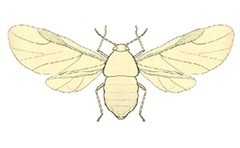
Melanaphis bambusae is a bamboo-feeding in the Aphididae, commonly known as the Waxy Bamboo Aphid. It is a documented pest of bamboo forests with economic and ecological significance, particularly in regions where bamboo occurs. The species has been studied for its microbiome interactions with fungi, specifically Conidiobolus obscurus, which causes natural mortality. Research indicates that by this fungus and starvation stress both significantly alter the aphid's bacterial and fungal composition.
Pronunciation
How to pronounce Melanaphis bambusae: /mɛˈlæ.nə.fɪs bæmˈbu.siː/
These audio files are automatically generated. While they are not always 100% accurate, they are a good starting point.
Images
Habitat
Bamboo forests; reared on potted plants of Chimonobambusa quadrangularis in open field conditions. The occurs in where fungi are locally effective, especially during monsoon periods.
Distribution
Collected from Zhejiang A&F University campus, Hangzhou, China. GBIF records indicate presence in Serbia and Brazil (Minas Gerais), with doubtful records from Belgium and France. The naturally occurs in bamboo forests where fungi contribute to control.
Diet
Feeds on bamboo (Chimonobambusa quadrangularis); phloem-feeding that extracts sap from plant vascular tissues.
Host Associations
- Chimonobambusa quadrangularis - primary plantBamboo used in laboratory rearing and field studies
- Conidiobolus obscurus - -obligate fungus that causes natural mortality in
- Buchnera aphidicola - obligate endosymbiontBacterial endosymbiont essential for nutrition
- Stenotrophomonas - bacterial associate bacterial enriched in fungus-infected aphids
- Erwinia sp. - bacterial associateBacterial associate detected in microbiome analysis
- Flavobacterium spp. - bacterial associateBacterial associates enriched under starvation stress
Life Cycle
captured and reared; mycotized cadavers observed 48 hours post-inoculation with C. obscurus conidia. via live birth; specific developmental timing beyond experimental protocols not documented in available sources.
Behavior
Forms on bamboo that are threatened by naturally occurring fungi. disperse and colonize new plants.
Ecological Role
Main pest threatening bamboo forests with economic and ecological value. Serves as for obligate fungi that contribute to natural control. Microbiome analysis suggests -borne microbes may facilitate by entomopathogenic fungi, potentially influencing .
Human Relevance
Documented as a pest of bamboo forests with economic and ecological significance. Subject of microbiome research examining interactions with fungi for potential applications.
Sources and further reading
- BugGuide
- GBIF taxonomy match
- iNaturalist taxon
- NCBI Taxonomy
- Catalogue of Life
- Stem- and Leaf- Feeding Insects - AgriLife Extension Entomology
- Melanaphis sorghi Archives - Entomology Today
- Melanaphis sacchari Archives - Entomology Today
- When Educating About Insects, Instructional Video Can Help
- Green Light: New ID Test Ready for Invasive Mealybug Pest
- How One Entomologist is Exploring Insect Pests in Midwestern Agroecosystems
- Microbiome Analysis of the Bamboo Aphid Melanaphis bambusae Infected with the Aphid Obligate Pathogen Conidiobolus obscurus (Entomophthoromycotina).