
Melanocallis
Oestlund, 1923
Species Guides
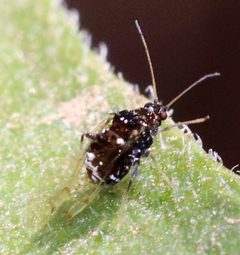
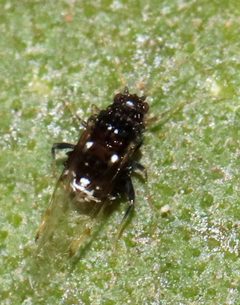
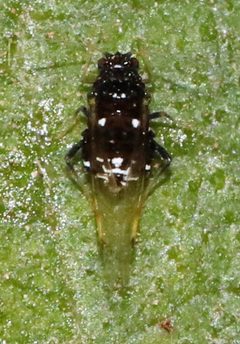
1- Melanocallis caryaefoliae(Black Pecan Aphid)
Melanocallis is a of aphids (Aphididae: Calaphidinae) established by Oestlund in 1923. The genus includes associated with pecan (Carya illinoinensis) and related hickories. Melanocallis caryaefoliae, the black pecan aphid, is the best-known species and a documented pest of commercial pecan orchards.
Pronunciation
How to pronounce Melanocallis: //ˌmɛl.ə.noʊˈkæl.ɪs//
These audio files are automatically generated. While they are not always 100% accurate, they are a good starting point.
Identification
in this are small, soft-bodied aphids with . Melanocallis caryaefoliae is distinguished from other pecan-feeding aphids by its dark coloration and specific association. Detailed morphological characters for genus-level identification require microscopic examination of diagnostic features such as siphunculi and cauda structure.
Images
Habitat
Associated with Carya , particularly pecan (Carya illinoinensis) and hickories. Found in commercial pecan orchards and natural stands of trees.
Distribution
North America, with records from regions where pecan and hickory occur naturally or are cultivated.
Diet
Phloem sap from Carya , particularly pecan.
Host Associations
- Carya illinoinensis - primary pecan
Behavior
Probing varies among pecan cultivars, with patterns influenced by plant .
Ecological Role
Pest of pecan; feeding can cause leaf damage and reduce nut quality in commercial orchards.
Human Relevance
Economic pest of commercial pecan production. Management requires monitoring and targeted control in orchards.
Similar Taxa
- Monellia caryellaAlso feeds on pecan; distinguished by different coloration and morphological features
- Monelliopsis pecanisAlso feeds on pecan; distinguished by different coloration and morphological features
More Details
Taxonomic Note
The belongs to tribe Therioaphidini within Calaphidinae. -level within Melanocallis requires revision based on molecular and morphological data.