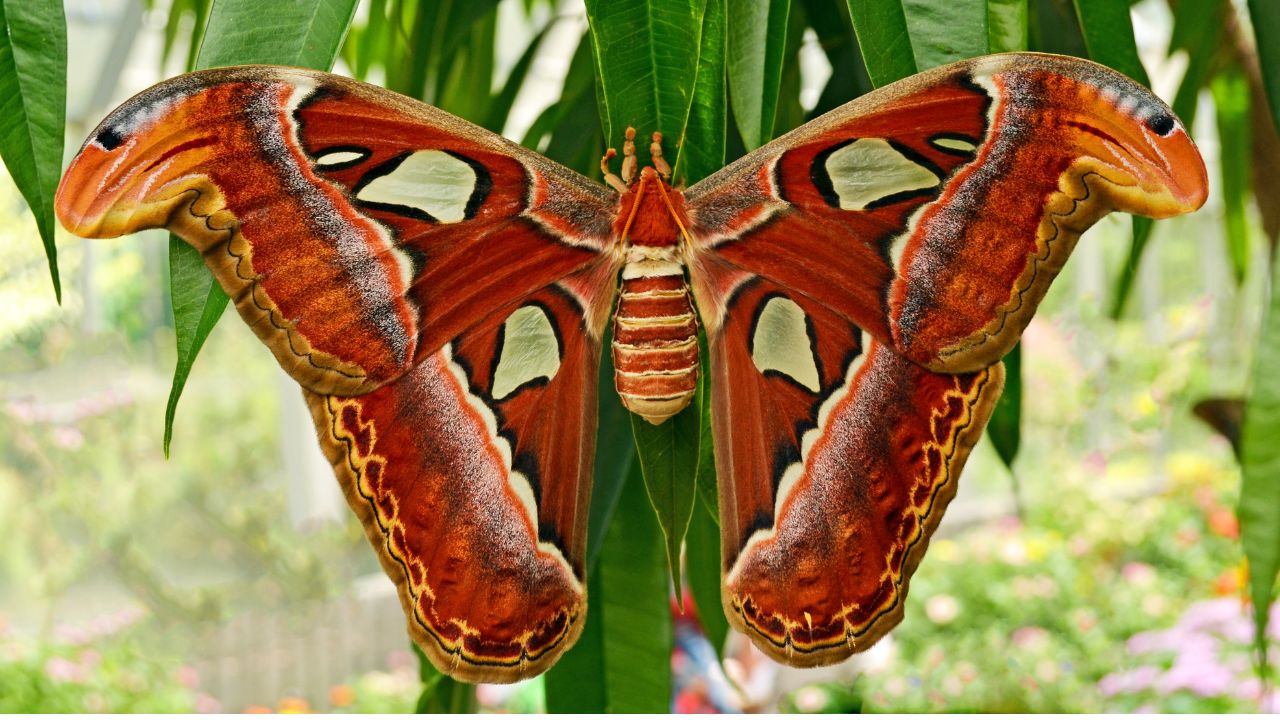
Oslaria is a genus of moths in the family Noctuidae, erected by Harrison Gray Dyar Jr. in 1904. The genus contains three described species distributed in the southwestern United States and Mexico. Members of this genus are part of the diverse owlet moth fauna of arid North American regions.
Green Oslaria Moth, Green Oslaria
Oslaria viridifera, commonly known as the Green Oslaria Moth, is a species of owlet moth in the family Noctuidae. First described by Augustus Radcliffe Grote in 1882, this species is recognized by its distinctive green coloration. It occurs in North America and has been documented in at least 660 observations on iNaturalist.
Ostrinia marginalis is a small crambid moth described by Francis Walker in 1866. It is found across northern North America from Newfoundland and Maine westward through the Canadian provinces to the Yukon and Northwest Territories. The species is associated with wetland habitats, specifically bogs and marshes. Its larvae feed on Rumex (dock) and Polygonum (knotweed) species.
American lotus borer
Ostrinia penitalis, commonly known as the American lotus borer, is a moth in the family Crambidae described by Augustus Radcliffe Grote in 1876. It has a broad geographic distribution spanning from Mexico through Central America to Amazonas, Brazil, as well as across much of North America from Quebec to British Columbia and throughout most of the United States. The species is associated with wetland habitats, particularly marshes and pondsides.
Bent-lined Tan
Oxycilla malaca, commonly known as the bent-lined tan, is a small moth species in the family Erebidae. It was described by Augustus Radcliffe Grote in 1875. The species is distributed across the southeastern and central United States, with records from ten states ranging from Texas to Pennsylvania. Adults have a wingspan of approximately 20 mm. The species is assigned Hodges number 8407 in the North American moth classification system.
Oxycilla ondo is a moth species in the family Erebidae, first described by Barnes in 1907. The species was originally placed in the genus Erastria before being transferred to Oxycilla. It is recorded from North America, though specific details about its biology and ecology remain limited in published literature.
Oxycilla tripla is a species of moth in the family Erebidae, first described by Grote in 1896. It occurs in North America, though specific details about its biology, ecology, and appearance remain poorly documented in available sources. The species is assigned Hodges number 8405 in the North American moth classification system.
Oxycnemis is a genus of moths in the family Noctuidae, established by Augustus Radcliffe Grote in 1882. The genus currently contains eight recognized species distributed in North America. A taxonomic revision by Troubridge (2008) realigned the genus within the tribe Psaphidini of the subfamily Amphipyrinae. Formerly placed species have been reassigned to other genera, such as Sympistis.
Oxycnemis advena is a small noctuid moth described by Augustus Radcliffe Grote in 1882. It is restricted to the mountainous regions of southwestern North America, occurring in southern Arizona, eastern Nevada, southern California, and southern Baja California. Adults are active during mid-summer, with flight records from July to August. The species is one of relatively few in the genus Oxycnemis, which belongs to the tribe Psaphidini within the subfamily Amphipyrinae.
Three-horned Moth
Pachypolia atricornis, commonly known as the Three-horned Moth, is a species of owlet moth in the family Noctuidae. First described by Grote in 1874, this species is known from North America with confirmed records from Vermont. The genus Pachypolia is classified within the subfamily Noctuinae. The common name refers to distinctive horn-like projections on the head.
Barrens Paectes Moth
Paectes abrostolella is a species of owlet moth in the family Euteliidae, first described by Francis Walker in 1866. It is distributed across North America and is known to occur in habitats ranging from prairies to montane areas. The species is notable for its distinctive resting posture, in which it raises its abdomen into the air. It is one of several North American species in the genus Paectes, a group that has been subject to recent taxonomic revision due to the discovery of cryptic species complexes.
Large Paectes Moth, Sweetgum Defoliator
Paectes abrostoloides is a small moth in the family Euteliidae, first described by Achille Guenée in 1852. Adults have a wingspan of 27–32 mm and are active from April to October across eastern and central North America. The species is notable for its larval association with sweetgum trees (Liquidambar styraciflua), earning it the common name 'Sweetgum Defoliator.'
Paectes asper is a moth in the family Euteliidae first described by Michael G. Pogue in 2013. The species is widespread across the Caribbean region, ranging from southern Florida and the Bahamas through the Greater Antilles (excluding Puerto Rico) to the Lesser Antilles including the British Virgin Islands, U.S. Virgin Islands, and Dominica. The specific name derives from Latin 'asper' meaning rough, referring to the roughened texture of the apex of the free saccular extension in the male genitalia.
Paectes declinata is a moth species in the family Euteliidae, first described by Grote in 1879. The species is found in North America and has been assigned MONA/Hodges number 8961. It belongs to a genus that has been subject to recent taxonomic revision due to the discovery of cryptic species complexes.
Eyed Paectes Moth
Paectes oculatrix, commonly known as the eyed paectes or eyed paectes moth, is a species of moth in the family Euteliidae. First described by Achille Guenée in 1852, it is found throughout North America. The species is assigned MONA (Moth Photographers Group) or Hodges number 8957. It belongs to a genus that has been subject to recent taxonomic revision, with cryptic species complexes identified through genital dissection studies.
Pagara is a monotypic moth genus in the family Erebidae, established by Francis Walker in 1856. Its sole species, Pagara simplex (the mouse-colored lichen moth), occurs across the eastern and central United States. The genus belongs to the subfamily Arctiinae (tussock moths) and tribe Lithosiini (lichen moths). Adults are small with a wingspan of approximately 23 mm. Formerly, Pagara fuscipes was included but has been reclassified.
Pale Palpidia
Palpidia pallidior, commonly known as Pale Palpidia, is a small moth in the family Erebidae. Adults are characterized by their mottled brown forewings and contrasting white hindwings, which are concealed at rest. The species occurs in Florida and Cuba.
Palpita Moths
Palpita is a genus of crambid moths in the family Crambidae, subfamily Spilomelinae. The genus includes numerous species distributed across multiple continents, with several species recognized as significant agricultural pests. Notable pest species include Palpita forficifera and Palpita unionalis, which are major pests of olive trees in Brazil, Uruguay, and the Mediterranean region. Other species such as Palpita (Diaphania) indica feed on cucurbits, while Palpita flegia feeds on Cascabela thevetia. The genus is taxonomically complex, with members of the genus Stemorrhages appearing very similar in appearance.
Palpita aenescentalis is a moth species in the family Crambidae, described by Eugene G. Munroe in 1952. It is known from eastern and central North America, with records spanning from Canada to the southeastern United States. The species belongs to a large genus of snout moths, many of which are associated with woody plants.
inkblot palpita moth
Palpita illibalis, commonly known as the inkblot palpita moth, is a crambid moth described by Jacob Hübner in 1818. It occurs in the eastern and southeastern United States. The species is associated with white fringetree as a larval host. Adults are active primarily during summer months.
Kimball's palpita moth
Palpita kimballi is a small crambid moth endemic to the southeastern United States. Adults have forewings measuring 14–15 mm and are active primarily from July through October. The species was described by Eugene G. Munroe in 1959 and is named in honor of Charles P. Kimball, author of The Lepidoptera of Florida: An Annotated Checklist.
Pammene medioalbana is a species of tortrix moth in the family Tortricidae, described by Knudson in 1986. It belongs to the genus Pammene, a group of small moths commonly known as fruitworm moths. The species is part of the subfamily Olethreutinae, which includes many economically significant agricultural pests. Limited published information exists regarding its specific biology and ecology.
Brown Panopoda, Brown Panopoda Moth
Panopoda carneicosta, commonly called the Brown Panopoda, is a moth species in the family Erebidae. It was first described by Guenée in 1852. The species is widespread across eastern and central North America, with adults active primarily during late spring and summer months. Larvae feed on the leaves of several deciduous tree species including basswood, oak, hickory, and willow.
Red-lined Panopoda, Red-lined Panopoda Moth
Panopoda rufimargo, the red-lined panopoda, is a noctuid moth in the family Erebidae first described by Jacob Hübner in 1818. The species is widely distributed across North America and is a common subject of citizen science observations. Adults are nocturnal and attracted to light. The caterpillars are documented feeders on hardwood trees including pignut hickory and northern red oak.
Basswood Leafroller Moth
Pantographa limata, commonly known as the basswood leafroller moth, is a crambid moth native to eastern North America. Adults have a wingspan of approximately 38 mm. The larvae are leafrollers that feed on Tilia species, constructing shelters by rolling host plant leaves.
Huckleberry Sphinx
Paonias astylus is a sphinx moth native to eastern North America, commonly known as the huckleberry sphinx. The species exhibits bivoltine flight periods in the southern portion of its range and univoltine patterns in the north. Adults have reduced mouthparts and do not feed; larvae specialize on woody plants in several families including Ericaceae and Salicaceae.
slender salsify
Papaipema aerata is a species of cutworm moth in the family Noctuidae, commonly known as the slender salsify. It is found in North America and is assigned MONA/Hodges number 9468. Like other members of the genus Papaipema, this species is associated with herbaceous plants, though specific host relationships remain poorly documented.
Ash Shoot Borer Moth, ash tip borer
Papaipema furcata is a noctuid moth whose larvae bore into the twigs of ash trees (Fraxinus spp.) and box elder (Acer negundo). Adults are active from late summer through autumn, with a wingspan of 33–49 mm. The species ranges across eastern and central North America from Quebec to Georgia and west to Louisiana and Manitoba.
Sunflower Borer Moth
Papaipema necopina, commonly known as the sunflower borer moth, is a species of cutworm or dart moth in the family Noctuidae. The species was first described by Grote in 1876. It is distributed across North America. The Hodges number for this species is 9497.
Glaucous Shears, Glaucous Shears Moth
Papestra biren, commonly known as the glaucous shears, is a noctuid moth with a wingspan of 30–38 mm. The species was first described by Goeze in 1781 and exhibits notable color variation across its range, including purplish-grey, ashy-grey, and dark ruddy-grey forms. Adults are active from May to July in a single annual generation. The species has a broad Palearctic distribution and was introduced to North America in 1935, where it has since expanded southward from Newfoundland.
Parabagrotis insularis is a small noctuid moth native to the Pacific Coast of North America. Adults are active from spring through fall, with forewings measuring 13–16 mm. The species was described by Augustus Radcliffe Grote in 1876 and is assigned Hodges number 11047.2.
Georgian Prominent
Paraeschra georgica, commonly known as the Georgian Prominent, is a species of moth in the family Notodontidae. It was first described by Herrich-Schäffer in 1855 under the basionym Notodonta georgica. The species belongs to the subfamily Notodontinae, a group commonly referred to as prominent moths due to their characteristic resting posture with wings folded tent-like over the body. It has been documented in the northeastern United States, particularly in Vermont.
Paraeschra tortuosa is a species of moth in the family Notodontidae, first described by Tepper in 1881. It belongs to a genus of Australian notodontid moths. The species is documented through limited observations, with 45 records on iNaturalist. As with many Australian notodontids, detailed biological information remains sparse in published literature.
Masked Parahypenodes, masked parahypenodes moth
Parahypenodes quadralis is a small moth and the sole species in the monotypic genus Parahypenodes. It was described from Quebec, Canada in 1918. The species remains poorly known, with limited documentation of its biology and ecology.
Paralobesia aemulana is a species of tortricid moth in the family Tortricidae, subfamily Olethreutinae. It was described by Heinrich in 1926. The genus Paralobesia includes several species associated with plants, notably P. viteana (grape berry moth), a significant agricultural pest. Specific biological details for P. aemulana remain poorly documented in available literature.
Paralobesia monotropana is a tortricid moth described by Heinrich in 1926. The species belongs to a genus of approximately 18 described species found primarily in eastern North America. It is morphologically similar to P. cypripediana and P. marilynae. The species epithet suggests an association with Monotropa, though explicit host records were not detailed in available sources.
Paralobesia pallicircula is a species of tortricid moth in the genus Paralobesia. The genus Paralobesia includes species associated with grape and related plants, with Paralobesia viteana (grape berry moth) being a well-known agricultural pest. Very little specific information has been documented about P. pallicircula itself.
Paramiana is a genus of moths in the family Noctuidae. The specific epithet "n-sp" indicates an undescribed or unidentified species within this genus. Information regarding this particular species is limited, as it has not been formally described in scientific literature. The genus itself belongs to the diverse owlet moth family, which contains thousands of species worldwide.
Peridot Sallow
Paramiana marina is a species of owlet moth in the family Noctuidae, first described by Smith in 1906. Originally placed in the genus Cerma, it was later transferred to Paramiana. The species is known from North America and is commonly referred to as the Peridot Sallow. Like other noctuids, it is nocturnal and likely has a typical complete metamorphosis life cycle with egg, larva, pupa, and adult stages.
Paramiana perissa is a species of owlet moth in the family Noctuidae, described by Nye in 1975. It is a noctuine moth found in North America, with a MONA/Hodges number of 9805. The species is part of a small genus within the diverse Noctuidae family. Available records indicate it is a rarely encountered species with limited published documentation.
Parapamea is a genus of owlet moths in the family Noctuidae, established by Bird in 1927. The genus contains a single described species, Parapamea buffaloensis, described by Grote in 1877. These moths belong to the diverse subfamily Noctuinae, one of the largest groups within the Noctuidae.
mossy sallow
Paratrachea viridescens is a moth species in the family Noctuidae, commonly known as the mossy sallow. It was first described by William Barnes and James Halliday McDunnough in 1918. The species is found in North America and is assigned Hodges number 9627.
Parexcelsa is a genus of moths in the family Geometridae, established by Pearsall in 1912. It is classified within the subfamily Ennominae, one of the largest subfamilies of geometer moths. The genus is poorly documented in scientific literature, with limited information available regarding its constituent species, distribution, and biology. Most knowledge of this genus derives from taxonomic databases rather than primary research.
Patalene is a genus of geometer moths in the family Geometridae, established by Herrich-Schäffer in 1854. The genus contains three species in the Nearctic region. These moths are part of the diverse geometrid fauna that includes many bark- and twig-mimicking species. One species, Patalene olyzonaria, has been documented visiting blacklight traps in late autumn.
mother of pearl moth
Patania is a genus of moths in the family Crambidae, subfamily Spilomelinae, established by Frederic Moore in 1888. The genus was long treated as a junior synonym of Syllepte but was reinstated as valid in 2007, rendering Pleuroptya a junior subjective synonym. The genus contains multiple species across Asia and Europe, with some species recently transferred to the reinstated genus Nagiella.
Patara n-sp-fl is an undescribed species within the genus Patara, a group of moths in the family Noctuidae (subfamily Erebidae). The 'n-sp-fl' designation indicates a provisional species name used in collections or databases prior to formal description, with 'fl' likely referring to Florida as the geographic origin of the type material. Species in this genus are generally medium-sized moths with relatively plain forewings and subtle patterning. Formal description and characterization of this entity await taxonomic revision.
Pelecystola nearctica is a small moth in the family Tineidae, described in 2009. It represents the first report of the Old World genus Pelecystola in North America. The species exhibits sexual dimorphism in forewing length and has an extended adult flight period spanning spring through late summer.
Pelochrista adamantana is a species of tortricid moth in the tribe Eucosmini. It was described by Guenée in 1845. The genus Pelochrista contains numerous small moth species, many of which are poorly documented in terms of biology and ecology.
Pelochrista biquadrana is a species of tortricid moth in the tribe Eucosmini. It was described by Walsingham in 1879. The genus Pelochrista contains numerous small moth species, many of which are difficult to distinguish without close examination. Available information about this specific species is limited.
Pelochrista blanchardi is a small tortricid moth described in 2012. It belongs to the diverse genus Pelochrista within the subfamily Olethreutinae. The species is known from very few records, with only two observations documented on iNaturalist.