
Paectes oculatrix
(Guenée, 1852)
Eyed Paectes Moth
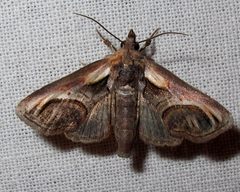
Paectes oculatrix, commonly known as the eyed paectes or eyed paectes , is a of moth in the Euteliidae. First described by Achille Guenée in 1852, it is found throughout North America. The species is assigned MONA (Moth Photographers Group) or Hodges number 8957. It belongs to a that has been subject to recent taxonomic revision, with cryptic identified through genital dissection studies.

Pronunciation
How to pronounce Paectes oculatrix: /ˈpɛk.tiːz ɒk.jʊˈleɪ.trɪks/
These audio files are automatically generated. While they are not always 100% accurate, they are a good starting point.
Images
Distribution
North America. Documented occurrences include the Canadian provinces of Manitoba and Saskatchewan, and the U.S. state of Vermont. The has been observed in Colorado, specifically at Cheyenne Mountain State Park.
Seasonality
have been observed in July during National Week events in Colorado.
Human Relevance
The serves as a subject for citizen science and observation events. It is documented through the Moth Photographers Group with Hodges number 8957, facilitating identification and data sharing among researchers and enthusiasts.
Similar Taxa
- Paectes abrostolellaAnother euteliid in the same found in similar ; both occur in Colorado and are documented in moth survey events. P. abrostolella has been noted for its distinctive posing with raised.
- Paectes arcigera species complexMembers of this cryptic share similar wing patterns with P. oculatrix but differ in male and female genitalia; these were distinguished through dissection-based studies by Pogue (2013).
More Details
Taxonomic History
Originally described as Ingura oculatrix by Guenée in 1852, later transferred to Paectes.
Research Context
The Paectes has been subject to intensive taxonomic study due to the presence of cryptic . Research by Michael Pogue (2013) on the Paectes arcigera complex demonstrated that multiple species can share nearly identical wing patterns while differing substantially in genital , highlighting the importance of dissection for accurate identification in this group.