
Euteliidae
Grote, 1882
Euteliid Moths
Subfamily Guides
1Euteliidae is a small of in the superfamily Noctuoidea, comprising approximately 540 globally. The family is characterized by highly specialized larval hostplant relationships with lactiferous plants containing high levels of resin or latex. Molecular phylogenetic analyses recognize two : Euteliinae and Stictopterinae, with Stictopterinae further divided into tribes Stictopterini and Odontodini. The family has been the focus of recent taxonomic revision due to the discovery of cryptic and polyphyletic requiring reclassification.
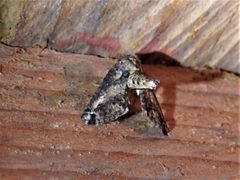
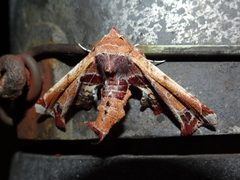
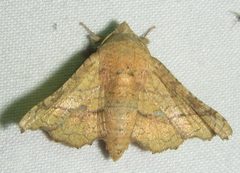
Pronunciation
How to pronounce Euteliidae: /juːˈtɛli.aɪdiː/
These audio files are automatically generated. While they are not always 100% accurate, they are a good starting point.
Identification
Identification of Euteliidae often requires examination of male and female genitalia, as wing patterns can be highly similar among cryptic species. The can be distinguished from other Noctuoidea by apomorphic morphological character states, though these require detailed morphological study. Several including Targalla, Paectes, Marathyssa, and Eutelia have been found to be polyphyletic and are under taxonomic revision.
Images
Habitat
Associated with Oriental lowland forests where Dipterocarpaceae trees dominate; also occurs in various throughout tropical and subtropical regions of the Old and New Worlds.
Distribution
Global distribution with highest diversity in tropical regions. India alone 104 (19.25% of global diversity). Records from North America (including Vermont, USA), South America (Brazil, Argentina), Asia, and Africa. The Neotropical Thyriodes was previously included in Euteliidae but has been reassigned to Erebinae (Erebidae).
Diet
Larval feeding restricted to lactiferous plants with high resin or latex content. Stictopterini primarily feed on Clusiaceae (Malpighiales) with occasional records from Dipterocarpaceae; Odontodini specialized on Malvales; Euteliinae predominantly feed on Anacardiaceae. Ancestral hostplant reconstruction identifies Malpighiales as the basal larval order for the .
Host Associations
- Clusiaceae (Malpighiales) - Primary larval for StictopteriniRestricted to this with few exceptions
- Dipterocarpaceae - Larval Few records from Stictopterini; notable as this abundant resource is rarely exploited by other lepidopteran defoliators
- Malvales - Larval for OdontodiniExclusive specialization in this tribe
- Anacardiaceae - Predominant larval for Euteliinae within Malpighiales
- Schinus terebinthifolia (Brazilian peppertree) - Larval for Paectes plant in Florida; multiple Euteliidae feed on this including potential biocontrol agents
Ecological Role
Defoliators of trees in Oriental lowland forests, particularly Dipterocarpaceae. The 's specialization on lactiferous plants with chemical defenses represents a unique ecological , as these plants are otherwise rarely exploited by lepidopteran herbivores despite their abundant foliage .
Human Relevance
Some have been investigated as potential agents for plants, particularly Brazilian peppertree (Schinus terebinthifolia) in Florida. Research on Paectes species from Brazil identified multiple cryptic species with potential for biocontrol applications. The has also been important in systematic and phylogenetic studies of Noctuoidea.
Similar Taxa
- NoctuidaeSister within Noctuoidea; diverged approximately 53 million years ago. Distinguished by less specialized hostplant relationships and different larval feeding habits.
- Erebidae (Erebinae)The Neotropical Thyriodes was previously placed in Euteliidae but molecular phylogenetic analysis shows it belongs to Erebinae. This highlights the importance of molecular data in distinguishing these .
- NolidaeAnother small in Noctuoidea; Euteliidae distinguished by unique hostplant specializations on lactiferous plants and specific morphological .
More Details
Phylogenetic History
Molecular dating estimates the split between Euteliidae and Noctuidae at 53 million years ago. The two Euteliinae and Stictopterinae diverged at 42 million years ago, with Stictopterini and Odontodini splitting at 31 million years ago and Euteliinae beginning diversification at 34 million years ago.
Taxonomic Revisions
Recent molecular phylogenetic studies have identified several polyphyletic requiring revision: Targalla, Paectes, Marathyssa, and Eutelia. Two new genera were described: Niklastelia and Pellinentelia. Six new combinations and one revived combination were proposed in the Indian fauna alone.
Cryptic Species
The Paectes arcigera in Brazil was found to contain six new plus two described species, distinguishable only by genital despite similar wing patterns. This discovery highlights the importance of detailed morphological examination for accurate species identification in the .
Sources and further reading
- BugGuide
- Wikipedia
- GBIF taxonomy match
- iNaturalist taxon
- NCBI Taxonomy
- Catalogue of Life
- Uncategorized | Blog - Part 42
- Biocontrol research on Brazilian peppertree in Florida discovers new cryptic species | Blog
- Noctuoidea: Euteliidae: Euteliinae, Stictopterinae
- Evolutionary history of Euteliidae (Lepidoptera, Noctuoidea)
- A Catalogue of Indian Euteliidae (Lepidoptera, Noctuoidea)
- Evolutionary history of Euteliidae (Lepidoptera, Noctuoidea)
- Description and biology ofPaectes longiformis(Lepidoptera: Euteliidae), a new species from Brazil and potential biological control agent of Brazilian peppertree in Florida