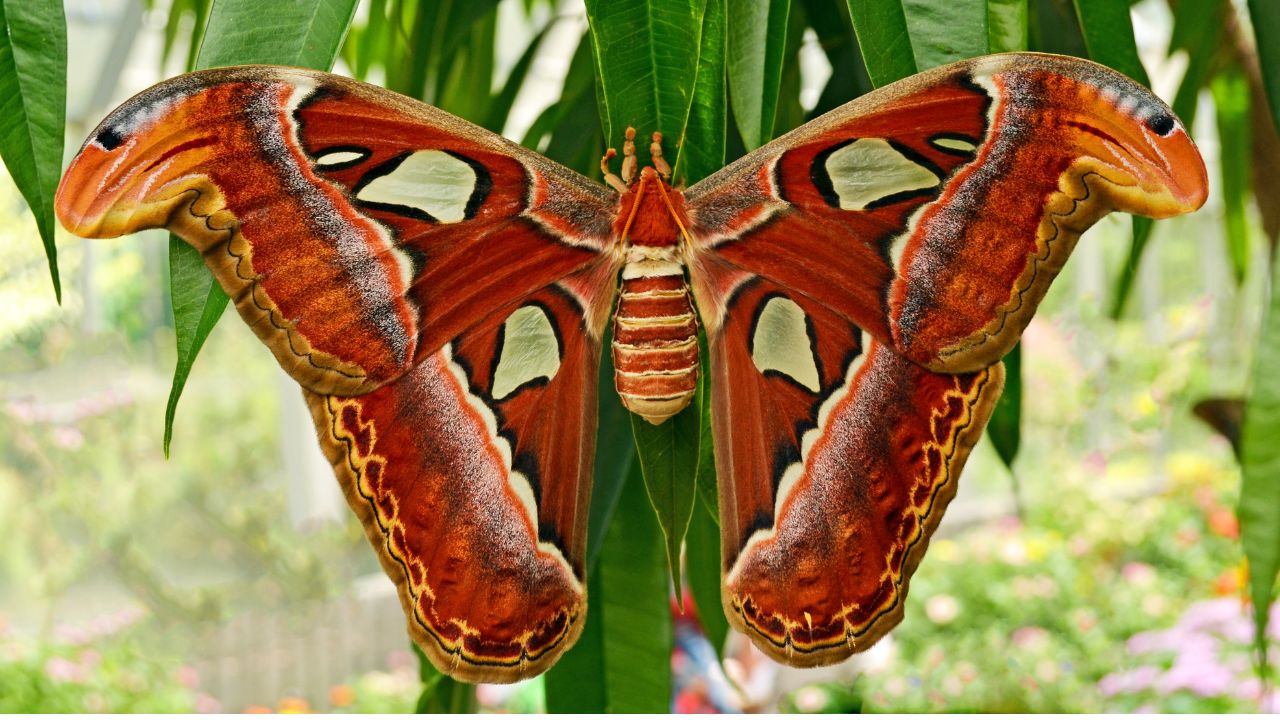
Neopalpa is a genus of small moths in the family Gelechiidae, tribe Gnorimoschemini. The genus was established in 1998 and contains at least two described species. It is most closely related to the genera Ochrodia and Ephysteris. One species, Neopalpa donaldtrumpi, gained international attention when described in 2017 due to its distinctive yellowish-white head scales that resemble a particular hairstyle, and was named to draw attention to conservation needs for fragile desert habitats.
Neophaenis is a genus of moths in the family Noctuidae, first described by Hampson in 1908. The genus comprises eight recognized species distributed in the Neotropical region. Members of this genus are classified within the subfamily Noctuinae and tribe Dypterygiini. The genus has been documented in entomological collections with over 500 iNaturalist observations.
Neoplynes is a genus of moths in the family Erebidae, erected by George Hampson in 1900. It belongs to the arctiine tussock moth group within the subfamily Arctiinae and tribe Lithosiini. The genus contains two described species: Neoplynes cytheraea and Neoplynes eudora, both originally described in 1894. It is classified within the superfamily Noctuoidea.
Laurelcherry Smoky Moth
Neoprocris floridana is a small zygaenid moth endemic to the southeastern United States, described by Tarmann in 1984. The species is primarily known from Florida, with rare records from Alabama and North Carolina. Its common name reflects a presumed association with laurelcherry (Prunus caroliniana), though direct observations of larval feeding remain limited. The moth belongs to the forester moth subfamily Procridinae, a group characterized by diurnal activity and often aposematic coloration.
Nepterotaea furva is a species of geometrid moth described by Rindge in 1973. It is a member of the subfamily Ennominae, a diverse group of inchworm moths. The species is known from North America and has been assigned the MONA/Hodges number 6526. Published information on its biology remains limited.
Double-toothed Prominent, base-streaked prominent moth, double-toothed prominent moth
Nerice bidentata is a North American moth in the family Notodontidae. Adults are active in spring and summer, with a single generation per year in northern populations. The species is notable for its larvae, which feed on elm leaves and exhibit camouflage resembling leaf edges.
Poetry Moth
Neumoegenia poetica, commonly known as the poetry moth, is a species of owlet moth in the family Noctuidae. It occurs in North America and is assigned the MONA/Hodges number 9737. The species was described by Grote in 1882 and belongs to the subfamily Stiriinae, a group of moths often associated with xeric or semi-arid habitats.
hops angleshade
Niphonyx is a monotypic moth genus in the family Noctuidae, containing the single species Niphonyx segregata. The genus was erected by Shigero Sugi in 1982. The sole species, known as the hops angleshade, is native to eastern Asia and was introduced to the northeastern United States in the 1990s. The genus is characterized by its small size and specialized larval association with hop plants.
Golden Nocloa
Nocloa alcandra is a noctuid moth species described by Druce in 1890. It occurs in North America and is commonly known as the Golden Nocloa. The species was originally described under the basionym Xanthia alcandra before being transferred to the genus Nocloa. It belongs to the subfamily Amphipyrinae within the owlet moth family.
Nocloa cordova is a moth species in the family Noctuidae, first described by William Barnes in 1907. It is native to North America and has been assigned Hodges number 9796. The genus Nocloa is part of the diverse owlet moth assemblage, though specific biological details for this species remain limited in published literature.
Pale Nocloa
Nocloa pallens is a species of owlet moth in the family Noctuidae, first described by Tepper in 1882. The species is found in North America and is commonly known as the Pale Nocloa. It belongs to the tribe Psaphidini within the subfamily Amphipyrinae. The specific epithet 'pallens' refers to its pale coloration.
Rivulet Nocloa
Nocloa rivulosa is a noctuid moth described by Smith in 1906. The common name "Rivulet Nocloa" refers to the wavy, stream-like patterning on the forewings. It belongs to the subfamily Amphipyrinae and tribe Psaphidini within the owlet moth family. The species is documented across North America with over 120 iNaturalist observations.
Large Yellow Underwing, Winter Cutworm
Noctua pronuba is a widespread noctuid moth commonly known as the large yellow underwing or winter cutworm. It is the type species for the family Noctuidae and one of the most abundant and familiar moths across the Palearctic region. The species exhibits highly migratory behavior in some years, with sudden appearances in marginal parts of its range. Research using optical coherence tomography has revealed that its compound eyes employ a light-absorbing pigment migration mechanism to adapt to changing light conditions over approximately 30 minutes.
Brown Bantam
Noctueliopsis brunnealis is a crambid moth described by Eugene G. Munroe in 1972. It occurs in the southwestern United States and exhibits bimodal adult flight activity. The species is known by the common name Brown Bantam.
sorghum webworm, sorghum webworm moth
Nola cereella, commonly known as the sorghum webworm, is a small moth in the family Nolidae. The species was first described by Louis Augustin Guillaume Bosc in 1800. Adults have a wingspan of 12–18 mm and are active from July to September. The larvae feed specifically on Sorghum vulgare, making this species an agricultural pest of sorghum crops.
sharp-blotched nola, Sharp-blotched Nola Moth
Nola pustulata is a small nolid moth in the family Nolidae, first described by Francis Walker in 1865. It is commonly known as the sharp-blotched nola. The species is found in North America, with confirmed records from the United States including Vermont. Its MONA (Hodges number) is 8989.
Lucerne Moth, Clover Nomophila, False Webworm, Celery Stalkworm, American Celery Webworm
Nomophila nearctica is a crambid moth with broad distribution across North America and southward into the Neotropics. Adults are active from spring through late autumn. The species is notable for its narrow, elongated wing profile and association with low-growing herbaceous vegetation. Larvae feed on a range of plants including grasses, legumes, and celery, making it occasionally significant in agricultural contexts.
Cryptic Prominent
Notodonta manitou, commonly known as the Cryptic Prominent, is a moth species in the family Notodontidae described by Neumoegen and Dyar in 1893. It belongs to the genus Notodonta, a group of prominent moths characterized by their distinctive resting posture and often cryptic coloration. The species epithet "manitou" refers to the spiritual or supernatural beings in Algonquian Native American mythology, suggesting the species may have been described from specimens collected in a region associated with these cultures. As with other members of the Notodontidae family, the larvae likely feed on deciduous tree foliage.
Pacific Prominent Moth
Notodonta pacifica is a species of prominent moth in the family Notodontidae. It was first described by Hans Hermann Behr in 1892. The species is found in North America and is known by the common name Pacific Prominent Moth. Like other members of its genus, it belongs to a group of moths characterized by distinctive projections or tufts on their bodies.
Large Dark Prominent, Northern Finned Prominent
Notodonta torva is a moth in the family Notodontidae, first described by Jacob Hübner in 1803. It is widespread across Europe and extends eastward through Asia to China, Korea, and Japan, with rare occurrences as an immigrant to Great Britain. The species is bivoltine in western Europe, producing two generations per year. Larvae feed primarily on poplar and willow species.
Nudorthodes is a genus of noctuid moths erected in 2014 to accommodate species previously placed in the Orthodes-group of genera. The genus is defined by the absence of hairs on the eye surface, a trait that distinguishes it from related genera. It contains three described species distributed in North America. The name combines Latin 'nudus' (bare) with 'Orthodes', referencing this diagnostic character.
Nudorthodes uid is a species of moth in the family Noctuidae, subfamily Noctuinae, and tribe Eriopygini. The genus Nudorthodes was established to accommodate species previously placed in Orthodes that lack significant hair-like scaling on the thorax. Like other members of this genus, N. uid is likely a nocturnal moth with typical noctuine characteristics including relatively stout body form and cryptic coloration.
Frigid Owlet, Frigid Midget
Nycteola frigidana is a small nolid moth native to North America. It belongs to the subfamily Chloephorinae, a group known as the green oak moths or noline moths. The species was originally described as Tortrix frigidana by Francis Walker in 1863. It is recorded from Canada and the northern United States.
Nycthia pimana is a species of tortricid moth found in arid regions of southwestern North America and the Caribbean. Originally described under the genus Phalonia, it was later transferred to Nycthia. The species is documented from Arizona, California, and Hispaniola, with 60 iNaturalist observations supporting its presence in these regions. Its taxonomic status in GBIF is marked as doubtful, reflecting ongoing classification uncertainties within the Tortricidae.
Nyridela is a genus of moths in the family Erebidae, subfamily Arctiinae, established by Lucas in 1857. The genus contains at least two described species: Nyridela chalciope and Nyridela xanthocera. These moths are classified within the tiger moth group, though specific biological details remain poorly documented in the literature.
Occidentalia comptulatalis is a small crambid moth and the sole member of the monotypic genus Occidentalia. It is found in northern North America, primarily in Canada and the northern United States. The species was originally described as Crambus comptulatalis before being placed in its own genus. Despite its relatively broad geographic range, it remains poorly studied with limited published information on its biology.
Flame-shouldered Dart
Ochropleura implecta is a North American noctuid moth described by Don Lafontaine in 1998. It was distinguished from the European and Asian Ochropleura plecta based on morphological differences. The species has a broad transcontinental distribution across North America and exhibits bivoltine flight activity.
White Pine Ermel
A small European moth in the family Yponomeutidae, characterized by its narrow, light grey forewings and grey hindwings. Adults fly in a single generation during summer months. The species is closely similar to Ocnerostoma friesei and requires careful examination for identification.
Oecophorini is a tribe of small to medium-sized moths within the family Oecophoridae. These concealer moths exhibit considerable diversity in form and coloration. The tribe is part of the subfamily Oecophorinae, which itself has disputed taxonomic boundaries. Members are characterized by their folded wing posture at rest and often intricate wing patterns.
black-blotched schizura, black-blotched prominent
Oedemasia leptinoides is a moth in the family Notodontidae, first described by Augustus Radcliffe Grote in 1864. It was transferred from the genus Schizura to Oedemasia in 2021 based on molecular and morphological research. The species is known for caterpillars that engage in girdling behavior on host plants. It is found in North America.
A small moth in the family Crambidae, described in 1976 from Texas specimens. The specific epithet refers to its Texas type locality. As a member of Pyraustinae, it belongs to a diverse subfamily of grass moths, though its specific biology remains poorly documented.
Ofatulena is a genus of tortricid moths erected by Heinrich in 1926. The genus contains three described species distributed in the Caribbean and Central America region. Species include O. duodecemstriata from Central America, O. jamaicana from Jamaica, and O. luminosa described from the type region. As a member of the tribe Grapholitini within subfamily Olethreutinae, it belongs to a diverse group of often small moths with varied larval host associations.
Twelve-lined Ofatulena
Ofatulena duodecemstriata is a tortricid moth species in the tribe Grapholitini, first described by Walsingham in 1884 from the basionym Grapholitha duodecemstriata. The species is known by the common name "Twelve-lined Ofatulena" and has accumulated over 1,000 observations on iNaturalist, indicating it is a relatively well-documented member of its genus. It belongs to the subfamily Olethreutinae, a group of tortricid moths that includes many species associated with fruit and seed feeding. The specific epithet "duodecemstriata" refers to twelve stripes or lines, likely describing a diagnostic wing pattern feature.
Ogdoconta altura is a small noctuid moth described by William Barnes in 1904. It occurs in south-central and southern Texas and northeastern Mexico. Adults are active from spring through late summer.
Common Pinkband, Common Pinkband Moth
Ogdoconta cinereola is a small noctuid moth commonly known as the Common Pinkband Moth. It is distinguished by the pinkish suffusion on the forewing subterminal region, which gives the species its common name. The species is broadly distributed across eastern, central, and southwestern North America, with adults active from spring through fall depending on latitude. Larvae feed on a diverse range of plant families.
Ogdoconta moreno is a small noctuid moth described by William Barnes in 1907. It is known only from southern Arizona in the United States, though its range likely extends into adjacent Mexico. The species exhibits distinctive wing patterning with contrasting light patches and angled transverse lines. Adults are active during the summer monsoon season.
Western Plume Moth
A plume moth in the family Pterophoridae, found in western North America from Alberta and British Columbia south to Arizona and Utah. The species exhibits considerable color variation but generally displays creamy white to dull tawny-brown coloration with characteristic brown markings on the forewings. The wingspan ranges from 26–29 mm. Larvae feed on Aster, Grindelia, and Helianthus species.
Angel Moth
Olceclostera angelica, the angel moth, is a small to medium-sized moth in the family Apatelodidae. First described by Augustus Radcliffe Grote in 1864, it occurs across eastern North America from Quebec and Maine south to Florida, west to Texas, and north to Wisconsin and Ontario. Adults are active from May through September in deciduous forest habitats. The larval stage feeds specifically on ash (Fraxinus) and lilac (Syringa) leaves.
Olethreutes auricapitana is a species of tortricid moth in the family Tortricidae, subfamily Olethreutinae. It was described by Walsingham in 1879, originally placed in the genus Sericoris. The species belongs to a large genus of small moths commonly known as tortrix moths or leafroller moths. Like other Olethreutes species, it is likely a small moth with typical tortricid characteristics, though specific details about its biology and appearance remain poorly documented in available sources.
Woolly-backed Moth, Woolly-backed Moth and Close Allies
Olethreutes furfuranum, commonly known as the woolly-backed moth, is a species of tortricid moth described by McDunnough in 1922. The species belongs to the genus Olethreutes, a diverse group of small tortrix moths within the family Tortricidae. It is found across eastern North America. The specific epithet "furfuranum" and common name "woolly-backed" suggest distinctive dorsal scaling, though detailed morphological descriptions are sparse in available literature.
Putty-patched Moth
Olethreutes griseoalbana is a small tortricid moth commonly known as the Putty-patched Moth. It belongs to the family Tortricidae, a large group of moths often called leafroller moths due to the larval habit of rolling or folding leaves. The species was described by Walsingham in 1879. Like other members of the genus Olethreutes, it is likely associated with specific host plants, though detailed life history information for this particular species appears limited in the available literature.
Inornate Olethreutes Moth, inornate olethreute
Olethreutes inornatana is a small tortricid moth in the family Tortricidae, commonly known as the Inornate Olethreutes Moth. It is distributed across northern North America, with records from Canada (Alberta, Manitoba, Saskatchewan) and the United States (Vermont). The species belongs to the subfamily Olethreutinae, a group of small moths often referred to as tortrix moths or leafroller moths. The MONA or Hodges number for this species is 2788.
Olethreutes lacunanum is a species of tortricid moth in the family Tortricidae, genus Olethreutes. As a member of this large genus, it shares characteristics with other Olethreutes species, though specific natural history details for this particular species remain poorly documented in available literature. The genus Olethreutes includes numerous small to medium-sized moths, many of which are associated with specific host plants.
Ommatostola is a genus of moths in the family Noctuidae, established by Grote in 1873. The genus is poorly documented in modern literature, with limited species-level information available. It belongs to the diverse owlet moth family, though its precise placement within Noctuidae subfamilies remains uncertain.
Opharus is a genus of moths in the family Erebidae, subfamily Arctiinae. It was established by Francis Walker in 1855. The genus belongs to the arctiine tussock moth group. Multiple species have been described within this genus, though comprehensive species-level documentation remains incomplete.
mousey-gray tiger moth
Opharus muricolor, commonly known as the mousey-gray tiger moth, is a moth species in the family Erebidae. It was described by Harrison Gray Dyar Jr. in 1898. The species occurs in the southwestern United States, specifically Arizona, New Mexico, and Texas. Adults are active during the warmer months of the year.
Ophisma is a genus of moths in the family Erebidae, erected by Achille Guenée in 1852. The genus contains approximately 21 described species distributed primarily in tropical regions of the Americas. Many species were described in the late 19th and early 20th centuries by authors including Guenée, Walker, Schaus, and Hampson.
Ophisma tropicalis is a moth in the family Erebidae, first described by Achille Guenée in 1852. It is widely distributed across tropical and subtropical regions of the Americas, from the southern United States to Uruguay. The species has been recorded on numerous Caribbean islands and throughout mainland South America. Larvae feed on Cupania americana, a member of the soapberry family.
Orthodes bolteri is a species of owlet moth in the family Noctuidae, described by Smith in 1900. The species has been documented at blacklight stations during bioblitz events in Colorado, including at Red Rock Canyon Open Space in 2019. Taxonomic placement has shifted over time, with the species formerly placed in Mamestra and Xestia. It occurs in North America and Middle America.
Oruza albocostata is a moth species in the family Erebidae, originally described as Anisodes albocostata by Herbert Druce in 1899. It occurs in North America and is assigned MONA/Hodges number 9026. The species has been documented through 58 iNaturalist observations, indicating it is encountered with moderate frequency by naturalists.