
Nerice bidentata
Walker, 1855
Double-toothed Prominent, base-streaked prominent moth, double-toothed prominent moth
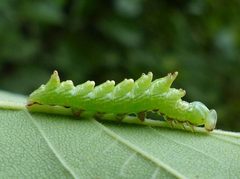
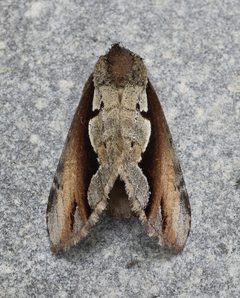
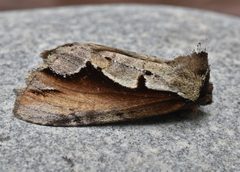
Nerice bidentata is a North American in the Notodontidae. are active in spring and summer, with a single per year in northern . The is notable for its larvae, which feed on elm leaves and exhibit camouflage resembling leaf edges.
Pronunciation
How to pronounce Nerice bidentata: //ˈnɛrɪkeɪ baɪˈdɛntɑːtə//
These audio files are automatically generated. While they are not always 100% accurate, they are a good starting point.
Identification
Larvae distinguished by chalky-green color and leaf-edge mimicry on Ulmus . may be recognized by size and , though specific diagnostic features for separating from related prominent moths are not documented in available sources.
Images
Habitat
Associated with elm (Ulmus) trees. Specific requirements beyond presence are not documented.
Distribution
Eastern and central North America: Nova Scotia south to Florida, west to Texas, north to Saskatchewan. Present in Manitoba, Vermont, and other provinces/states within this range.
Seasonality
: April to September, with peak activity May to August in northern areas. One per year in the north. Larvae: June to October.
Diet
Larvae feed on leaves of Ulmus (elms). feeding habits not documented.
Host Associations
- Ulmus - larval food plantspecific of Ulmus not specified
Life Cycle
One per year in northern parts of range. stage not specified in available sources.
Behavior
Larvae exhibit camouflage , resting on leaf edges to avoid detection.
Ecological Role
Herbivore on elm trees. Specific ecological impacts or interactions not documented.
Human Relevance
Minor potential as a defoliator of ornamental or native elms. No significant economic or cultural importance documented.
Similar Taxa
- Other Nerice speciesSame , likely similar larval and use; specific distinguishing features not documented
- Other Notodontidae larvae on UlmusShared plant and general prominent larval form; N. bidentata larvae distinguished by chalky-green color and leaf-edge mimicry
More Details
Taxonomic Note
Catalogue of Life lists this name as a synonym, but GBIF and other sources treat Nerice bidentata Walker, 1855 as accepted. Taxonomic status may require verification.