
Parabagrotis insularis
Grote, 1876
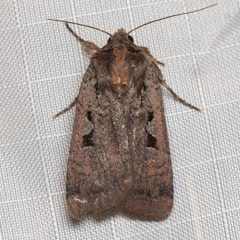
Parabagrotis insularis is a small noctuid native to the Pacific Coast of North America. are active from spring through fall, with forewings measuring 13–16 mm. The was described by Augustus Radcliffe Grote in 1876 and is assigned Hodges number 11047.2.
Pronunciation
How to pronounce Parabagrotis insularis: /ˌpærəˈbæɡroʊtɪs ˌɪnsjəˈlɛərɪs/
These audio files are automatically generated. While they are not always 100% accurate, they are a good starting point.
Identification
Forewing length 13–16 mm. Distinguished from similar Parabagrotis by genital and geographic restriction to the Pacific coastal region. The specific epithet 'insularis' refers to its original description from Vancouver Island.
Images
Habitat
Coastal and near-coastal environments along the Pacific seaboard, from southern Vancouver Island southward through California.
Distribution
Pacific Coast of North America: southern Vancouver Island, British Columbia; coastal California; extending to near the Mexico border.
Seasonality
on wing from April to October.
Behavior
; attracted to ultraviolet light sources.
Similar Taxa
- Parabagrotis formosaSympatric in California; distinguished by wing pattern and genitalia.
- Parabagrotis exsertistigmaOverlapping range; requires dissection for reliable identification.
Sources and further reading
- BugGuide
- Wikipedia
- GBIF taxonomy match
- iNaturalist taxon
- NCBI Taxonomy
- Catalogue of Life
- Blacklighting at the Bohart: They Saw the Light | Bug Squad
- Encyrtid Holdings | Entomology Research Museum
- What Will You See at Bohart Museum Open House | Bug Squad
- Look Out, Franklin's Bumble Bee, They're Coming for You! | Bug Squad
- Pensoft Editorial Team | Blog - Part 13
- Inspiring a new generation of taxonomists | Blog