
Parabagrotis exsertistigma
Morris, 1874
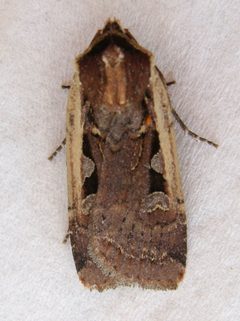
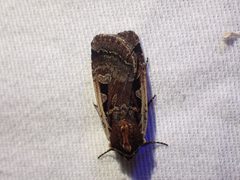
Parabagrotis exsertistigma is a of cutworm moth in the Noctuidae, originally described by Morris in 1874. It is a member of the Parabagrotis, which contains several North American noctuid species. The species has been recorded in western Canada and is attracted to ultraviolet light sources, a common trait among noctuid . Its Hodges number is 11047.
Pronunciation
How to pronounce Parabagrotis exsertistigma: /ˌpærəˈbæɡroʊtɪs ɛkˌsɜrtɪˈstɪɡmə/
These audio files are automatically generated. While they are not always 100% accurate, they are a good starting point.
Identification
Parabagrotis exsertistigma can be distinguished from related in the Parabagrotis by genitalia ; the specific epithet "exsertistigma" refers to characteristics of the stigma (a wing marking). Accurate identification to species level typically requires examination of genitalia structures or reference to specialized keys for the genus Parabagrotis.
Images
Distribution
Recorded from western Canada including Alberta, Manitoba, and Saskatchewan. GBIF distribution records indicate presence in North America.
Behavior
are attracted to ultraviolet light sources, as is typical for many Noctuidae . This brings them to blacklighting setups used by entomologists for survey and collection.
Human Relevance
The has been documented in entomological surveys and is part of the noctuid fauna recorded during blacklighting events at research institutions such as the Bohart Museum of Entomology.
Similar Taxa
- Parabagrotis formaisBoth belong to the same Parabagrotis and share similar habits and attraction to blacklighting. They have been recorded together at survey events in California.
More Details
Taxonomic History
Originally described as Agrotis exsertistigma by Morris in 1874, this was later transferred to the Parabagrotis. The basionym reflects its historical placement in the large genus Agrotis before taxonomic revision.
Research Significance
Specimens of this are represented in entomological collections and contribute to biodiversity documentation in western Canada. The species is part of the broader North American noctuid fauna studied through blacklighting surveys.
Sources and further reading
- BugGuide
- Wikipedia
- GBIF taxonomy match
- iNaturalist taxon
- NCBI Taxonomy
- Catalogue of Life
- Blacklighting at the Bohart: They Saw the Light | Bug Squad
- What Will You See at Bohart Museum Open House | Bug Squad
- Oh, What a (Moth) Night! | Bug Squad
- Mark Your Calendar for 'Moth Night' at Bohart Museum: July 30 | Bug Squad
- A Night at the Bohart Museum: Moth Night on Saturday, July 22 | Bug Squad