
Oxycnemis advena
Grote, 1882
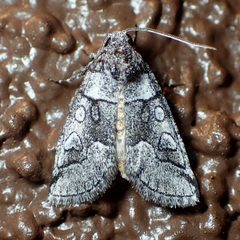
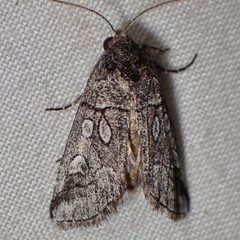
Oxycnemis advena is a small noctuid described by Augustus Radcliffe Grote in 1882. It is restricted to the mountainous regions of southwestern North America, occurring in southern Arizona, eastern Nevada, southern California, and southern Baja California. are active during mid-summer, with records from July to August. The is one of relatively few in the Oxycnemis, which belongs to the tribe Psaphidini within the Amphipyrinae.
Pronunciation
How to pronounce Oxycnemis advena: /ˌɒksɪkˈniːmɪs ædˈviːnə/
These audio files are automatically generated. While they are not always 100% accurate, they are a good starting point.
Identification
The small wingspan (approximately 23 mm) distinguishes Oxycnemis advena from larger noctuid in the same region. The combination of small size, southwestern montane distribution, and July-August period may help separate it from congeneric , though specific diagnostic features for field identification are not documented.
Images
Appearance
Wingspan approximately 23 mm. Specific coloration and pattern details are not documented in available sources.
Habitat
Montane environments in the mountains of southern Arizona, eastern Nevada, southern California, and southern Baja California. Specific vegetation associations and elevation range are not documented.
Distribution
to southwestern North America. Documented from the mountains of southern Arizona, eastern Nevada, southern California, and southern Baja California.
Seasonality
are on wing from July to August. No information available on stages or strategy.
Similar Taxa
- Other Oxycnemis speciesCongeneric in the same region; specific distinguishing characters are not documented in available sources.
- Small Noctuidae in southwestern montane habitatsSimilar size and ; precise identification requires examination of genitalia or other subtle morphological features.
More Details
Taxonomic placement
Oxycnemis advena is classified in the tribe Psaphidini, Amphipyrinae, Noctuidae. The Oxycnemis contains relatively few , all apparently restricted to western North America.
Collection records
The is represented in entomological collections, with specimens documented by the North American Photographers Group (Hodges number 10039).