
Panopoda carneicosta
Guenée, 1852
Brown Panopoda, Brown Panopoda Moth
Panopoda carneicosta, commonly called the Brown Panopoda, is a in the Erebidae. It was first described by Guenée in 1852. The species is widespread across eastern and central North America, with active primarily during late spring and summer months. Larvae feed on the leaves of several deciduous tree species including basswood, oak, hickory, and willow.

Pronunciation
How to pronounce Panopoda carneicosta: /ˌpænəˈpoʊdə ˌkɑːrnɪˈkɒstə/
These audio files are automatically generated. While they are not always 100% accurate, they are a good starting point.
Identification
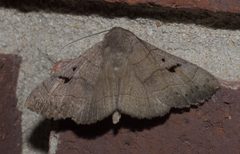
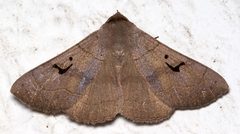
Medium brown with wingspan of 38–46 mm. Distinguished from similar Panopoda by geographic range and subtle wing pattern details; precise identification often requires examination of genitalia or reference to regional moth guides.
Images
Appearance
Medium-sized with wingspan of 38–46 mm. Forewings are brown with subtle patterning. Overall coloration provides camouflage against tree bark.
Habitat
Deciduous forests and woodlands. Associated with tree including basswood, oak, hickory, and willow.
Distribution
Eastern and central North America. Range extends from Ontario and Quebec south to Florida, west to Texas, and north to Wisconsin and Minnesota.
Seasonality
active primarily May through August, with some records from April to September. Peak activity in June and July. One per year in northern parts of range; possibly two generations in southern regions.
Diet
Larvae feed on leaves of basswood (Tilia), oak (Quercus), hickory (Carya), and willow (Salix). feeding habits not documented.
Host Associations
- basswood - larval food plantTilia
- oak - larval food plantQuercus
- hickory - larval food plantCarya
- willow - larval food plantSalix
Life Cycle
One per year in northern range; possibly partial second generation in southern range. Complete with , larva, pupa, and stages. stage not explicitly documented in sources.
Ecological Role
Larval herbivore on deciduous trees. Role in as prey for birds, bats, and other inferred from general but not specifically documented for this .
Similar Taxa
- Other Panopoda speciesSimilar brown coloration and size; require careful examination of wing patterns or genitalia for definitive separation
More Details
Taxonomic Note
placement has varied in literature; some sources list as Noctuidae, but current classification places it in Erebidae ( Calpinae).
Flight Period Variation
Reported periods differ between sources: Covell (May–August) versus Ohio State University (April–September), reflecting geographic or variation in .