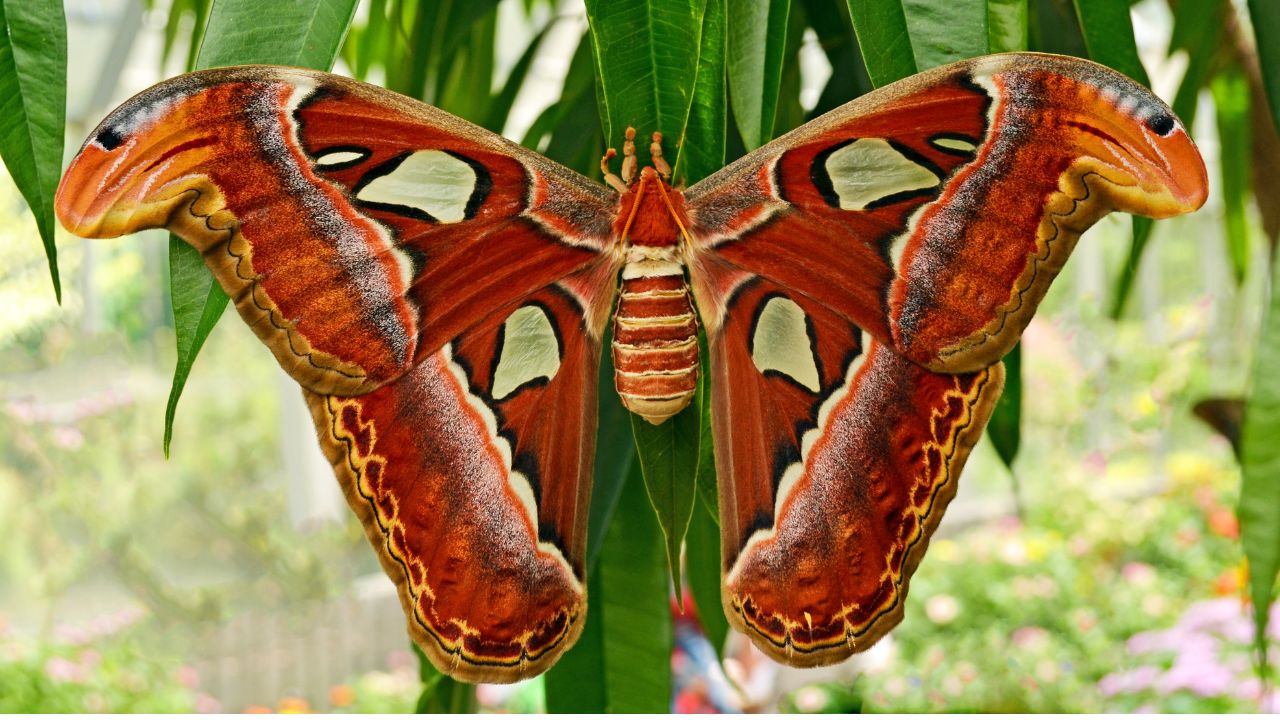
Protorthodes antennata is a small noctuid moth described in 1912 by Barnes and McDunnough. It is distinguished from congeners by its unique reniform spot pattern lacking a dark outline. The species has a restricted range in the southwestern United States and northern Mexico, with adults active in spring and fall.
Protorthodes ustulata is a small noctuid moth described in 2014, distinguished by its burnt-orange forewings with contrasting gray-white markings. The species inhabits arid and semi-arid regions of the southwestern United States and northern Mexico. Adults are active during two distinct periods: spring and late summer through early autumn.
Psaliodes is a genus of moths in the family Geometridae, subfamily Larentiinae. The genus was established by Achille Guenée in 1857. As a member of the Larentiinae, it belongs to a diverse group of carpet moths. The genus contains multiple species, though specific details about most species remain poorly documented in available literature.
Psamathia placidaria is a species of moth in the family Uraniidae. The genus Psamathia belongs to a small family of moths that includes both day-flying and nocturnal species. This species is known from a limited number of observations, suggesting it may be uncommon or restricted in distribution. Members of Uraniidae are often associated with tropical and subtropical regions.
Dot-lined angle, Dot-lined and Dark-shaded Angles and Allies
Psamatodes abydata, commonly known as the dot-lined angle, is a geometrid moth native to the Neotropics and southern United States. The species has been introduced to the Pacific region, with established populations in Hawaii since 1970 and subsequent spread to other Pacific islands. It is recognized as a highly mobile species capable of regular northward dispersal beyond its core range. Taxonomic placement has shifted between the genera Psamatodes and Macaria, with current sources recognizing both names in use.
Psamatodes everiata is a geometrid moth distributed across the Caribbean, Central America, North America, and South America. The species was described by Guenée in 1858 and is recognized by MONA/Hodges number 6333. Two subspecies are recognized: the nominate P. e. everiata and P. e. errata.
Psaphida damalis is a noctuid moth species described by Augustus Radcliffe Grote in 1879. It belongs to the genus Psaphida, which includes several North American sallow moths. The species is endemic to California and is part of the owlet moth family Noctuidae.
obscure psara moth
Psara obscuralis, the obscure psara moth, is a small crambid moth with a wingspan of approximately 23 mm. It occurs across the southeastern and central United States, with its range extending south through Mexico to Costa Rica. Adults are active from May through September. The larvae feed on two specific host plants: Petiveria alliacea (guinea hen weed) and Phytolacca americana (pokeweed).
Pseudacontia crustaria is a species of noctuid moth described by Morrison in 1875. It belongs to the genus Pseudacontia within the subfamily Noctuinae. The species is known from the Canadian prairie provinces and appears to have a restricted distribution in western North America. Available information on its biology and ecology remains limited.
Pseudanthoecia tumida is a species of moth in the family Noctuidae, described by Grote in 1880. It belongs to the tribe Eriopygini within the subfamily Noctuinae. The species is known from North America, though detailed biological information remains limited. Like many noctuid moths, it is presumably nocturnal in its adult activity.
Pseudexentera habrosana is a small tortricid moth described by Heinrich in 1923, originally placed in the genus Exentera. It belongs to the tribe Eucosmini, a group of leafroller moths whose larvae often feed within plant tissues. Published records for this species are sparse, and its biology remains poorly documented.
Virginia Pseudexentera Moth
Pseudexentera virginiana is a small tortricid moth in the family Tortricidae, subfamily Olethreutinae. The species was described by Clemens in 1864 and is known from the eastern United States. As a member of the tribe Eucosmini, it belongs to a group of small, often inconspicuous moths whose larvae typically feed internally on plant tissues. The specific epithet 'virginiana' suggests historical association with the Virginia region, though the species has broader distribution in the northeastern and mid-Atlantic states.
Pseudochelaria is a genus of small moths in the family Gelechiidae, established by Dietz in 1900. The genus contains five described species distributed in North America. Species within this genus appear to be associated with specific host plants in the Ericaceae family, including manzanita and madrone.
Pseudochelaria pennsylvanica is a gelechiid moth described by Dietz in 1900. It occurs in eastern and central North America, with records spanning from Arizona to the Atlantic seaboard. The species belongs to a genus of small moths whose larvae typically feed on plant material, though specific host associations for this species remain undocumented. Like other members of Gelechiidae, adults are likely nocturnal and attracted to light.
red-banded aemilia
Pseudohemihyalea ambigua, commonly known as the red-banded aemilia, is a moth species in the family Erebidae (subfamily Arctiinae). It occurs from southern Wyoming southward through the Rocky Mountain and southwestern United States to Durango, Mexico. Adults are active from June to August, with forewing lengths of approximately 22 mm in males and 24 mm in females. The larvae feed on Pinus ponderosa (ponderosa pine).
Pink-spotted Dart
A medium-sized noctuid moth found in eastern North America, with adults active from mid-summer through autumn. The species has a single annual generation and is associated with wetland habitats where its larval host plants grow. First described in 1852, it remains relatively common across its range.
Pseudopyrausta marginalis is a small crambid moth described by Harrison Gray Dyar Jr. in 1914. The species exhibits a broad transcontinental distribution across North America, with records from Alaska to Quebec and south to Texas, as well as in Panama. Adults are active from late spring through autumn.
Psilopleura polia is a moth species in the subfamily Arctiinae, first described by Herbert Druce in 1898. The species has a notably disjunct distribution, occurring from southern Texas through Central America and extending to Vanuatu in the southwestern Pacific. Adults have a wingspan of approximately 38 mm. Limited phenological data indicates adult activity in November in Texas, though broader seasonal patterns across its range remain undocumented.
Pterospoda is a genus of moths in the family Geometridae, first described by Harrison Gray Dyar Jr. in 1903. The genus contains three recognized species: Pterospoda kunzei, Pterospoda nigrescens, and Pterospoda opuscularia. All three species were originally described by George D. Hulst in the late 19th century. The genus belongs to the subfamily Ennominae, a diverse group of geometer moths.
Pterospoda nigrescens is a small geometrid moth with a wingspan of approximately 24 mm, distributed across arid regions of the southwestern United States and northern Mexico. The species exhibits bivoltine flight patterns with primary activity periods in April and August in Arizona. Larvae have been successfully reared on Condalia species, specifically Condalia warnockii var. kearneyana, indicating a specialized host relationship with this shrub genus.
Pterotaea miscella is a species of geometrid moth in the family Geometridae, subfamily Ennominae. Described by Rindge in 1970, this species is part of a genus of moths distributed in North America. The genus name Pterotaea derives from Greek roots referring to wing characteristics. Like other geometrid moths, adults likely have slender bodies and broad wings, with larvae that are inchworm-type caterpillars characteristic of the family.
Pterotaea plagia is a species of geometrid moth in the family Geometridae, subfamily Ennominae. Described by Rindge in 1970, this species belongs to a genus of North American geometrid moths. Records indicate it is present in North America. The genus Pterotaea contains multiple species of small to medium-sized moths, though specific details about P. plagia's biology remain poorly documented in available sources.
Ptichodis pacalis is a moth in the family Erebidae, subfamily Erebinae. It is a small species with a wingspan of approximately 27 mm, known from limited records in the southeastern United States. Adults are active during the first half of the year, with flight records spanning February through June.
Ptychoglene is a genus of moths in the subfamily Arctiinae, tribe Lithosiini, within the family Erebidae. The genus was erected by Felder in 1874 and contains eight described species distributed primarily in the Neotropical region. Members of this genus are characterized by their often striking red or reddish coloration, reflected in species epithets such as 'coccinea' (scarlet), 'erythrophora' (red-bearing), and 'sanguineola' (blood-red). The genus is part of the diverse tiger moth assemblage, though specific biological details for most species remain poorly documented.
Ptychoglene phrada is a moth species in the subfamily Arctiinae (tiger moths), described by Herbert Druce in 1889. It is known from the southwestern United States and Mexico. The genus Ptychoglene belongs to the tribe Lithosiini, a group of lichen moths characterized by relatively plain coloration and nocturnal habits.
White-banded Telphusa Moth, White-banded Pubitelphusa Moth
Pubitelphusa latifasciella is a small moth in the family Gelechiidae, recognized by its distinctive white band across the dark brown forewings. The species occurs widely across eastern and central North America, from Ontario and Quebec south to Florida and west to Texas and Kansas. It is frequently observed and photographed, with over 2,300 records on iNaturalist. The specific epithet 'latifasciella' refers to the broad (lati-) band or fascia (-fasciella) on the forewing.
Purius superpulverea is a moth species in the family Erebidae, described by Harrison Gray Dyar Jr. in 1925. It occurs in Mexico and southern Texas. Adults are active during March, October, and November. The species was originally described under the basionym Spodarctia superpulverea.
Yellow-edged Pygarctia, Orange-bodied Pygarctia, Yellow-edged Tussock Moth
Pygarctia abdominalis is a tiger moth in the family Erebidae, described by Augustus Radcliffe Grote in 1871. It is found in the southeastern and south-central United States. The species exhibits sexual dimorphism in size, with females notably larger than males. Adults are active primarily during spring and summer months.
Pygoctenucha pyrrhoura is a moth species in the family Erebidae, first described by George Duryea Hulst in 1881. It belongs to the subfamily Arctiinae (tiger moths) and tribe Lithosiini. The species is known from a restricted distribution in the south-central United States.
Pyrausta antisocialis is a crambid moth described by Eugene G. Munroe in 1976. It is known from a restricted range in the southwestern United States, specifically New Mexico and Arizona. Adults are active during summer months. The species belongs to a genus containing many herbivorous species, though specific biological details for this species remain limited.
Pyrausta arizonicalis is a crambid moth described by Eugene G. Munroe in 1976. It is found in the southwestern United States, with records from Texas, New Mexico, and Arizona. Adults are active from April through November, indicating an extended flight period across multiple seasons.
Pyrausta napaealis is a small crambid moth described by George Duryea Hulst in 1886. It is found in western North America from Washington to California and eastward to Texas, as well as in northern Mexico. Adults have a wingspan of 17–22 mm and exhibit distinctive ash gray and brown forewing patterning. The species is active primarily from March through August, with some records in October.
perilla leaf moth, Phoenician pyrausta moth
Pyrausta phoenicealis is a crambid moth with a nearly cosmopolitan distribution across the Americas, Africa, Australia, and Asia. It is a documented agricultural pest, particularly in South Korea where it damages Perilla (shiso) crops. Larvae feed on plants in the mint family (Lamiaceae) and related Asteraceae, binding leaves with silk to form protective shelters. The species is frequently confused with Pyrausta panopealis due to morphological similarity, but genetic analysis reveals approximately 4.62% COI divergence between them.
Pyrausta sartoralis is a small crambid moth described from North America in 1914. Adults have a wingspan of 14–17 mm with distinctive creamy forewings suffused with brown and whitish hindwings tinged with brown outwardly. The species is known from California and Arizona, with adult flight periods recorded in spring and summer.
Sociable Pyrausta Moth
Pyrausta socialis is a crambid moth described by Augustus Radcliffe Grote in 1877. The species occurs across northern and western North America, with records from Ontario westward to British Columbia and south to Montana and Colorado. Two subspecies are recognized: the nominate form and P. s. perpallidalis described from Washington and Oregon. As a member of the snout moth family, it possesses the elongated labial palps characteristic of Crambidae.
volupial pyrausta moth, Volupial Mint Moth
Pyrausta volupialis is a small crambid moth described by Grote in 1877. The species occurs across western North America from the southwestern United States through Mexico. Larvae feed on plants in the mint family (Lamiaceae), including rosemary (Rosmarinus officinalis). Adults are active year-round in suitable climates.
Purple-lined Sallow
Pyrrhia exprimens, commonly known as the purple-lined sallow, is a moth in the family Noctuidae, subfamily Heliothinae. It has a transcontinental distribution spanning North America and northern Eurasia. The species was first described by Francis Walker in 1857 and is characterized by moderate size with distinctive wing patterning.
Raphia frater piazzi is a subspecies of moth in the family Noctuidae. It is a North American taxon with documented records from central Canada and the northeastern United States. The subspecies was described by Hill and is currently recognized as valid. Like other members of the genus Raphia, it belongs to the subfamily Raphiinae, a group characterized by distinctive wing patterns.
Rectiostoma is a genus of moths in the family Depressariidae, established by Becker in 1982. The genus contains approximately 17 described species, many of which were described by Duckworth in 1971. Species are primarily Neotropical in distribution. The genus is classified within the subfamily Stenomatinae.
Yellow-vested Moth
Rectiostoma xanthobasis is a small moth in the family Depressariidae, described by Philipp Christoph Zeller in 1876. It is distinguished by striking yellow and dark brown wing patterning that gives rise to its common name. The species is endemic to eastern North America, with larvae that feed on oak leaves from within silk-constructed shelters.
Lesser Bud Moth
Recurvaria nanella is a small gelechiid moth with a wingspan of 10–12 mm. It is native to the Palearctic region, with a wide distribution across Europe, Turkey, the Near East, North Africa, the Caucasus, Kazakhstan, and south-eastern Siberia. Populations in North America are considered introduced. Adults are active during summer months.
Pygmy Redectis Moth, pygmy redectis
Redectis pygmaea, described by Augustus Radcliffe Grote in 1878, is a small litter moth in the family Erebidae. It is one of the smallest members of its genus, with a wingspan of approximately 14 mm. The species is found in the eastern and south-central United States, where adults are active during summer months. It belongs to the subfamily Herminiinae, a group commonly known as litter moths due to their association with decaying plant material.
Discolored Renia Moth
Renia discoloralis is a litter moth in the family Erebidae, first described by Achille Guenée in 1854. It occurs in eastern North America from Missouri to southern New England, southward to at least North Carolina. The species has a single annual generation with adults active in mid-summer. Larvae are detritivores that feed on dead leaf material.
Retinia edemoidana is a small moth in the family Tortricidae, first described by Harrison G. Dyar in 1903. It belongs to the pine cone moth genus Retinia, whose larvae develop within conifer cones. The species is documented from western North America, where it associates with pine hosts.
Retinia picicolana is a small moth species in the family Tortricidae, first described from Mexico by Harrison G. Dyar in 1906. It belongs to a genus whose larvae are predominantly associated with coniferous trees, particularly pines. The species remains poorly documented in published literature, with most available information derived from taxonomic databases rather than ecological studies.
scallop shell
Rheumaptera undulata, commonly known as the scallop shell, is a geometrid moth with a wingspan of 25–30 mm. The species is characterized by pale forewings with numerous darker, wavy, evenly spaced crosslines and a scalloped fringe on the outer margin. It was first described by Carl Linnaeus in 1758 and occurs across the Palearctic realm and North America. Adults are active from late May to August in Europe, with one generation per year. The larvae feed on a diverse range of woody plants including birch, willow, Vaccinium species, aspen, and others.
Rhigognostis poulella is a small moth species in the family Plutellidae, originally described as Plutella poulella by Busch in 1934. It was transferred to the genus Rhigognostis in a 1989 taxonomic revision. The species is known from the Nearctic region, though detailed biological information remains limited.
Rhizagrotis modesta is a species of owlet moth in the family Noctuidae, described by Barnes and McDunnough in 1911. The species was originally described under the genus Prochloridea before being transferred to Rhizagrotis. It belongs to the subfamily Noctuinae, one of the largest and most diverse groups within Noctuidae. The genus Rhizagrotis contains relatively few described species, and R. modesta remains poorly documented in the scientific literature.
Rhizedra is a genus of moths in the family Noctuidae, established by Warren in 1911. The genus contains at least one recognized species, Rhizedra lutosa. It belongs to the subfamily Noctuinae, one of the largest groups of owlet moths. Records indicate presence in northern Europe and northeastern North America.
Rifargia is a genus of moths in the family Notodontidae, subfamily Heterocampinae, first described by Francis Walker in 1862. The genus contains six described species distributed primarily in the Neotropical region. These moths are part of the prominent moth group, characterized by their robust bodies and often cryptic coloration. The genus name has been stable since its original description, with no major taxonomic revisions reported.