
Pterospoda
Dyar, [1903]
Species Guides
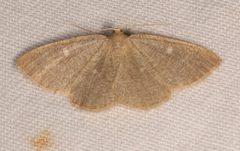
3Pterospoda is a of in the Geometridae, first described by Harrison Gray Dyar Jr. in 1903. The genus contains three recognized : Pterospoda kunzei, Pterospoda nigrescens, and Pterospoda opuscularia. All three species were originally described by George D. Hulst in the late 19th century. The genus belongs to the Ennominae, a diverse group of geometer moths.
Pronunciation
How to pronounce Pterospoda: /ˈtɛrəˌspɒdə/
These audio files are automatically generated. While they are not always 100% accurate, they are a good starting point.
Identification
The Pterospoda can be distinguished from related geometrid genera by wing venation and genitalic characteristics, though specific diagnostic features require examination. The three included share a generally similar wing shape and pattern elements, with subtle differences in coloration and markings. Definitive identification to species level typically requires dissection and examination of male genitalia.
Images
Distribution
The occurs in North America, with records from the United States. Specific distribution details for individual vary, with Pterospoda opuscularia, Pterospoda kunzei, and Pterospoda nigrescens each having somewhat different but overlapping ranges in western and central regions.
Similar Taxa
- Other Ennominae generaMany within the Ennominae share similar wing patterns and body forms, requiring genitalic dissection for reliable separation from Pterospoda.
- PeroThis related geometrid contains with superficially similar appearance, though Pterospoda species tend to have more uniform wing coloration and different resting posture.
More Details
Taxonomic history
All three currently placed in Pterospoda were originally described by George D. Hulst between 1887 and 1898, before Dyar established the in 1903. The species were subsequently transferred to Pterospoda, reflecting improved understanding of relationships within Geometridae.
Etymology
The name Pterospoda derives from Greek roots: 'pteron' (wing) and 'spoda' (ashes or dust), likely alluding to the dull, grayish coloration typical of these .