
Pseudohemihyalea ambigua
(Strecker, 1878)
red-banded aemilia
Pseudohemihyalea ambigua, commonly known as the red-banded aemilia, is a in the Erebidae ( Arctiinae). It occurs from southern Wyoming southward through the Rocky Mountain and southwestern United States to Durango, Mexico. are active from June to August, with forewing lengths of approximately 22 mm in males and 24 mm in females. The larvae feed on Pinus ponderosa (ponderosa pine).
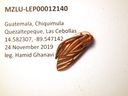
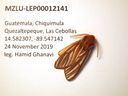
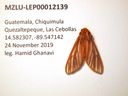
Pronunciation
How to pronounce Pseudohemihyalea ambigua: //ˌsjuːdoʊˌhɛmihaɪˈeɪliə æmˈbɪɡjuə//
These audio files are automatically generated. While they are not always 100% accurate, they are a good starting point.
Identification
Distinguished from similar by combination of geographic range (Rocky Mountains to Mexico), period (June–August), and association with Pinus ponderosa as larval . Females larger than males in forewing length. Specific wing pattern details not provided in available sources.
Images
Habitat
Associated with ponderosa pine (Pinus ponderosa) forests and woodlands. Occurs in montane and foothill environments from southern Wyoming through the southwestern United States to northern Mexico.
Distribution
Southern Wyoming south through Colorado, Utah, Arizona, New Mexico, and Texas to Durango, Mexico.
Seasonality
on wing from June to August.
Diet
Larvae feed on Pinus ponderosa (ponderosa pine). diet not specified in sources.
Host Associations
- Pinus ponderosa - larval plantLarvae feed on this conifer
Life Cycle
Complete with , larval, pupal, and stages. Larvae develop on Pinus ponderosa. Adults emerge June–August.
Ecological Role
Larval herbivore on ponderosa pine; contributes to forest dynamics as a pine-feeding .
Similar Taxa
- Other Pseudohemihyalea species in same share similar and associations; distinguished by geographic range, associations, and possibly wing pattern details
- Other Arctiinae moths associated with PinusMultiple erebid feed on pines; identification requires examination of specific wing patterns and genitalia
More Details
Taxonomic History
Originally described by Strecker in 1878. Has been treated under the Hemihyalea in some classifications (as Hemihyalea ambigua), but currently placed in Pseudohemihyalea.
Research Importance
One of relatively few with documented specialization on Pinus ponderosa as larval , making it of interest for studies of conifer-feeding Lepidoptera.