
Pseudohemihyalea
Rego Barros, 1956
Species Guides
4- Pseudohemihyalea ambigua(red-banded aemilia)
- Pseudohemihyalea edwardsii(Edwards' Glassy-wing Moth)
- Pseudohemihyalea labecula(Freckled Glassy-wing)
- Pseudohemihyalea splendens
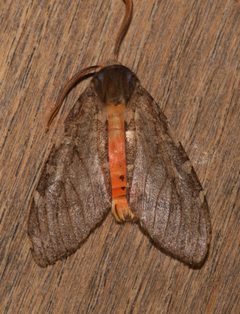
Pseudohemihyalea is a of arctiine tussock moths in the Erebidae, described by Rego Barros in 1956. The genus was historically confused with Hemihyalea and Aemilia due to taxonomic revisions and misidentifications of . Most have larvae that feed on broad-leaved trees, particularly oaks (Quercus), while the P. ambigua group has evolved to feed on conifers with corresponding cryptic coloration. The genus remains in need of definitive revision, with at least one species considered incorrectly placed.
Pronunciation
How to pronounce Pseudohemihyalea: /ˌsuːdoʊˌhɛmihaɪˈeɪliə/
These audio files are automatically generated. While they are not always 100% accurate, they are a good starting point.
Identification
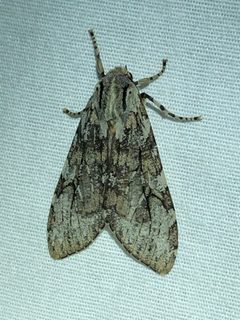
The P. ambigua group is distinguished by light-and-dark lengthwise striping on the forewings, an for camouflage among conifer needles. This coloration pattern represents with certain geometer moths such as Caripeta piniata and Sabulodes niveostriata. Most other Pseudohemihyalea lack this striped pattern and are associated with broad-leaved plants.
Images
Habitat
include forests and woodlands supporting the respective plants: broad-leaved forests (particularly oak-dominated) for most , and coniferous forests for the P. ambigua group.
Diet
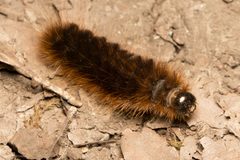
Larvae of most feed on broad-leaved trees, especially oaks (Quercus). The P. ambigua group has larvae that feed on conifers.
Host Associations
- Quercus - larval food plantfor most
- conifers - larval food plantfor P. ambigua group
Similar Taxa
- HemihyaleaHistorically confused with Pseudohemihyalea when the latter was unresolved versus Amastus; now recognized as distinct
- Aemilia of the P. ambigua group were long placed in Aemilia, but molecular and morphological data support their placement in Pseudohemihyalea
- Caripeta piniataConvergent forewing striping pattern for conifer camouflage; not a close relative but similar appearance in P. ambigua group
- Sabulodes niveostriataConvergent forewing striping pattern for conifer camouflage; not a close relative but similar appearance in P. ambigua group
More Details
Taxonomic History
The was established by Rego Barros in 1956 with Phaegoptera rhoda as type , but he had misidentified Pseudohemihyalea schausi specimens. The genus was long submerged in Hemihyalea, and the P. ambigua group was treated as part of Aemilia. Schmidt (2009) revised the 'Aemilia' ambigua species-group, confirming placement in Pseudohemihyalea.