
Pseudohemihyalea edwardsii
(Packard, 1864)
Edwards' Glassy-wing Moth, Edwards' glassy-wing
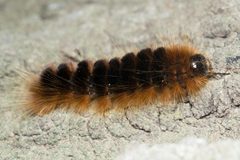
Pseudohemihyalea edwardsii is a tiger moth in the Erebidae, first described by Alpheus Spring Packard in 1864. The is named in honor of actor-entomologist Henry Edwards. It occurs in oak woodlands and mixed hardwood forests at low elevations across the western United States, from Oregon and Washington south through California and east to western New Mexico. The forewings measure 27–31 mm in length. The species serves as a known for the tachinid fly Paradejeania rutilioides.
Pronunciation
How to pronounce Pseudohemihyalea edwardsii: /ˌsjuːdoʊˌhɛmiˈhaɪəliə ɛdˈwɔrdzi.aɪ/
These audio files are automatically generated. While they are not always 100% accurate, they are a good starting point.
Identification
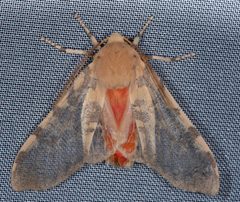
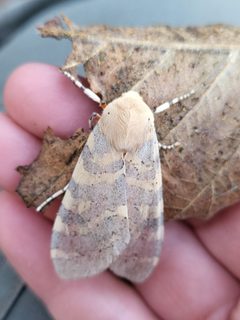
The combination of medium size (forewings 27–31 mm), glassy-winged appearance, and occurrence in western North American oak woodlands helps distinguish this . It may be confused with other tiger moths in the region, but the specific wing transparency and association provide distinguishing characters. The species is known to be parasitized by Paradejeania rutilioides, which may aid in identification through ecological association.
Images
Appearance
Medium-sized with forewings 27–31 mm in length. The 'glassy-wing' refers to the translucent or semi-transparent quality of the wings. As a member of the tiger moth Arctiinae, it likely exhibits the typical coloration patterns of this group, though specific markings are not detailed in available sources.
Habitat
Oak woodlands and mixed hardwood forests at low elevations. The is strongly associated with oak-dominated throughout its range.
Distribution
Western United States: from western Oregon and the Columbia Gorge in southern Washington south through California, with eastern extension to western New Mexico in the southwestern portion of its range.
Seasonality
have been recorded from July through October, with peak abundance in late summer and early fall. The shows a seasonal pattern typical of many tiger moths in temperate western North America.
Host Associations
- Paradejeania rutilioides - Tachinid fly that parasitizes caterpillars of this
Ecological Role
As a herbivorous larva, the contributes to nutrient cycling in oak woodland . Its role as a for tachinid flies (Paradejeania rutilioides) places it within a broader of interactions.
Human Relevance
The is of interest to lepidopterists and entomologists studying western North American fauna. It was named in honor of Henry Edwards, a notable 19th-century actor and entomologist, reflecting historical connections between popular culture and scientific natural history.
Similar Taxa
- Other Pseudohemihyalea speciesCongeneric in the western United States share similar preferences and general , requiring careful examination for definitive identification
- Other Arctiinae tiger mothsMany tiger moths share medium size, habits, and woodland ; the glassy-wing character and specific geographic range help distinguish P. edwardsii
More Details
Etymology
The epithet 'edwardsii' honors Henry Edwards (1827–1891), an English-born American actor and entomologist who made significant contributions to lepidopterology in the 19th century.
Taxonomic history
Originally described as Halisidota edwardsii by Packard in 1864, the has been transferred to Hemihyalea and currently resides in Pseudohemihyalea based on modern phylogenetic revisions of the Arctiinae.