Rifargia
Walker, 1862
Species Guides
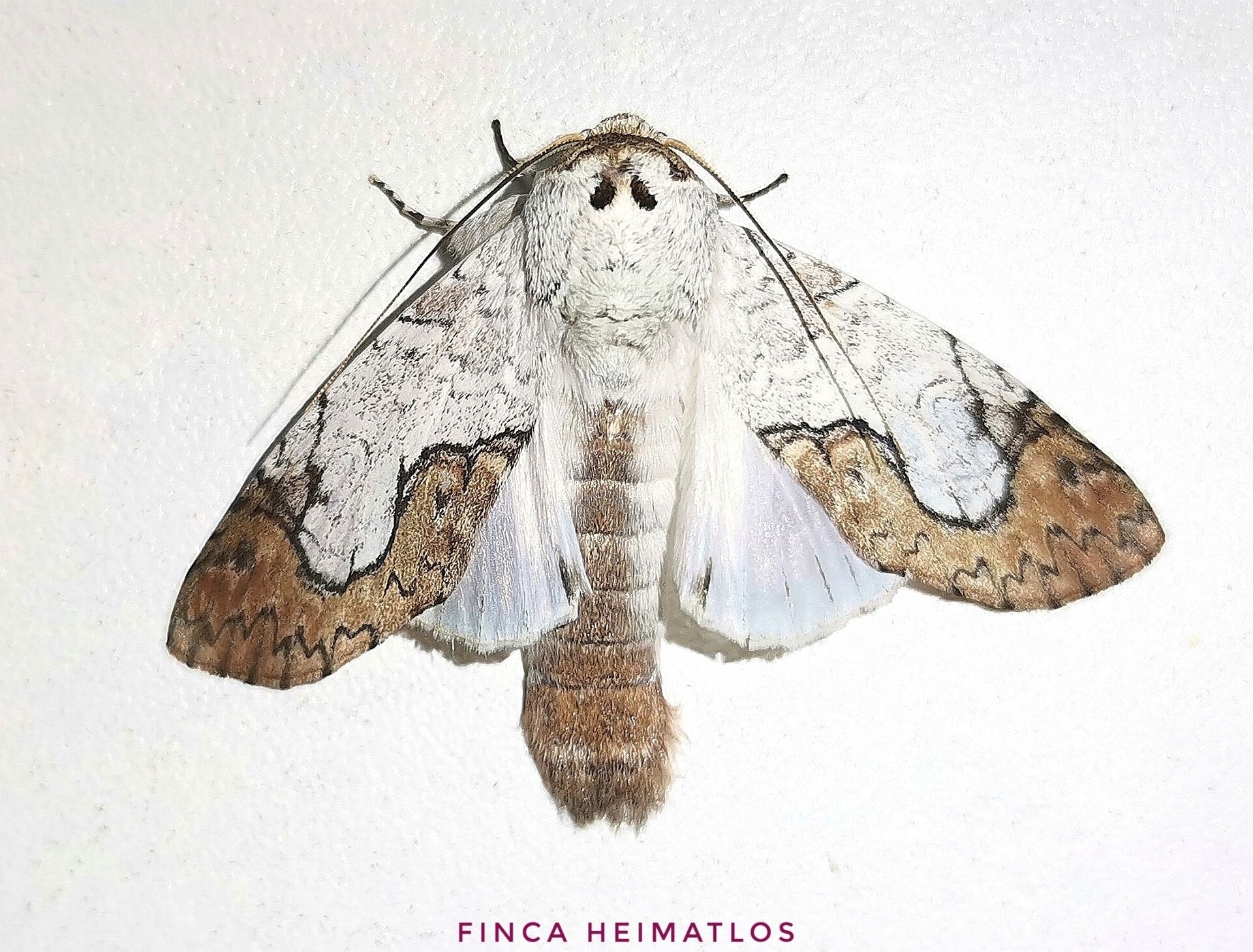
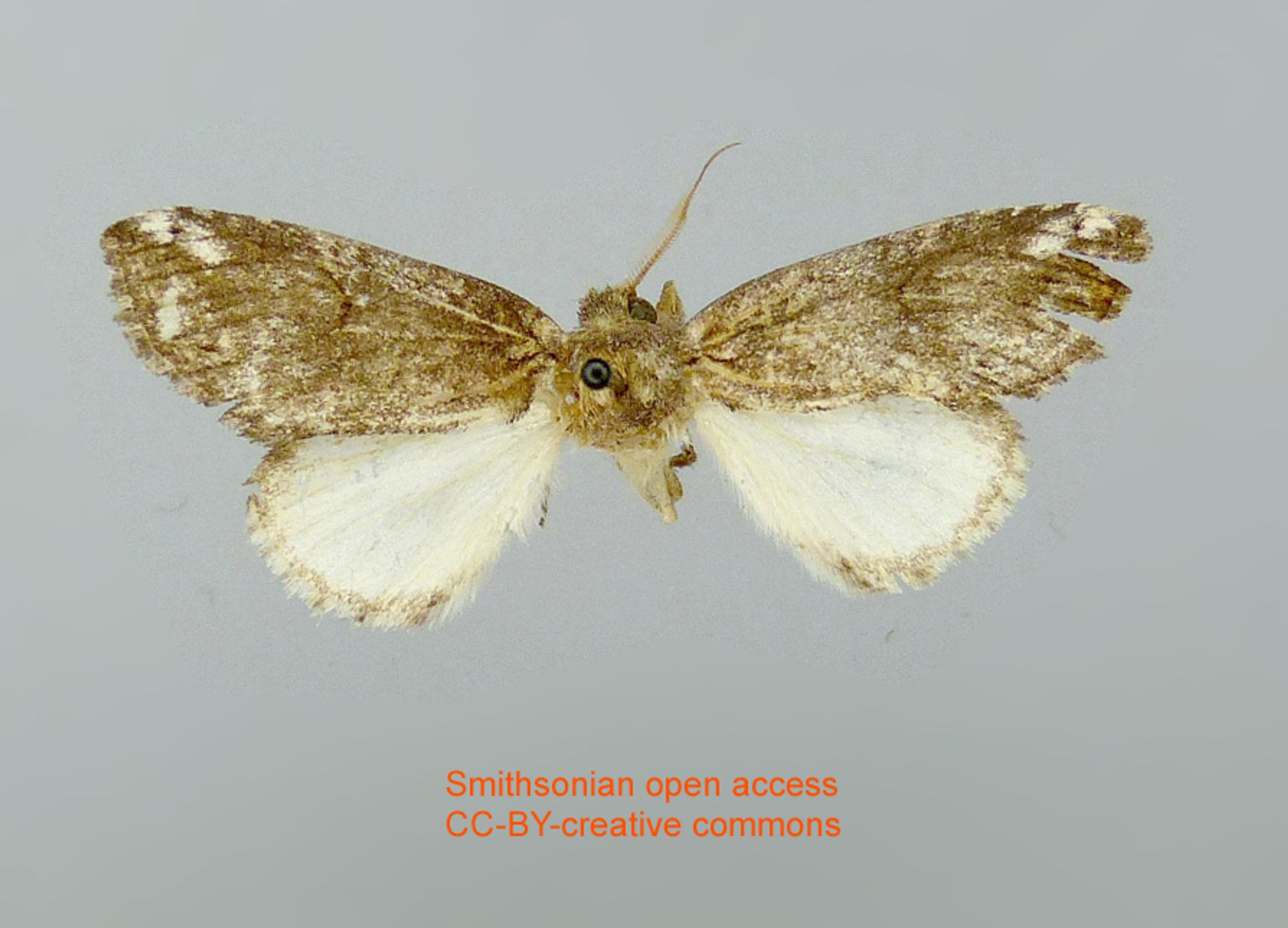
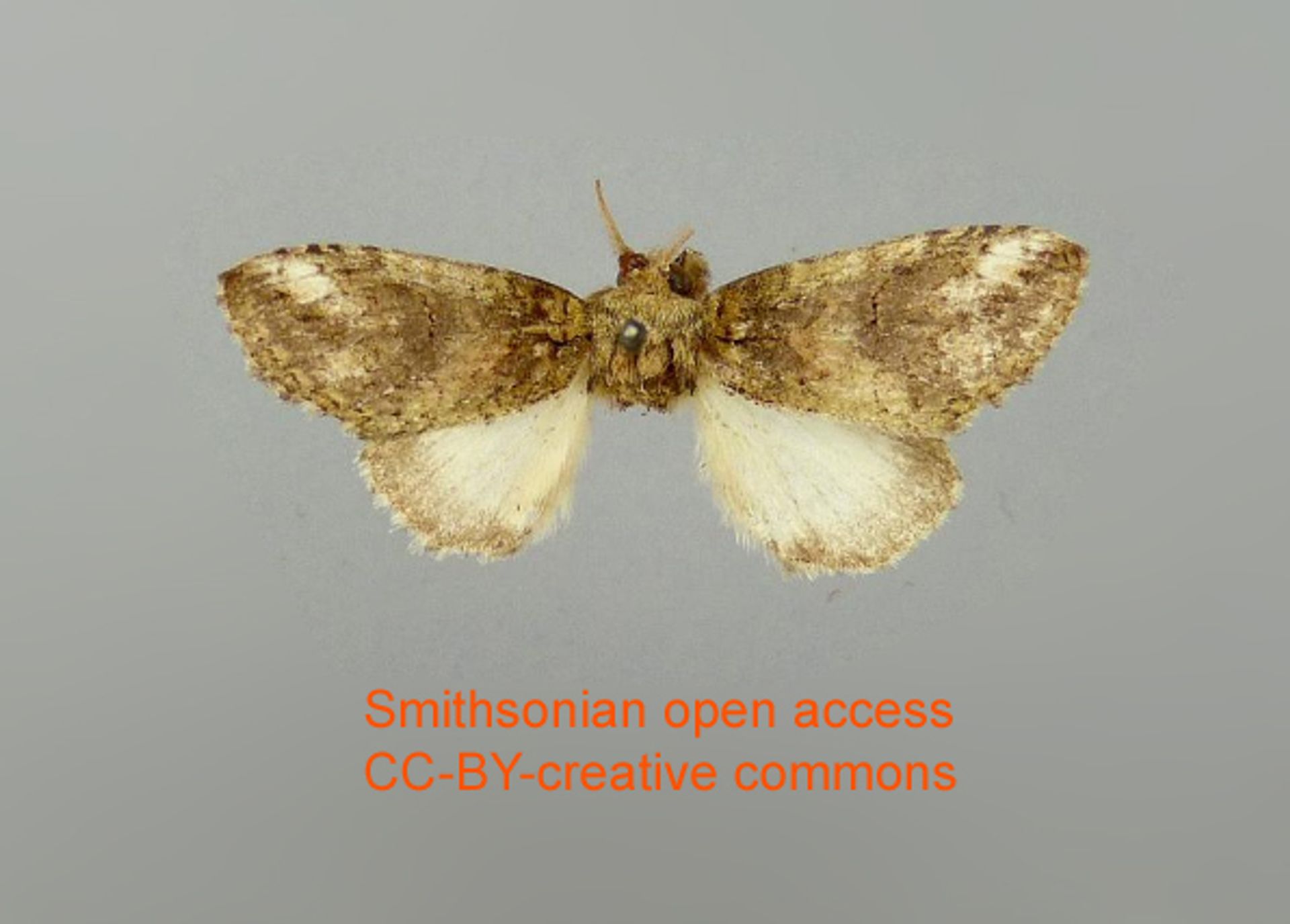
4Rifargia is a of in the Notodontidae, Heterocampinae, first described by Francis Walker in 1862. The genus contains six described distributed primarily in the Neotropical region. These moths are part of the prominent moth group, characterized by their robust bodies and often cryptic coloration. The genus name has been stable since its original description, with no major taxonomic revisions reported.
Pronunciation
How to pronounce Rifargia: //rɪˈfɑːrɡiə//
These audio files are automatically generated. While they are not always 100% accurate, they are a good starting point.
Identification
Members of Rifargia can be distinguished from related Heterocampinae by the combination of wing pattern elements and genitalic structures, though specific diagnostic features require detailed examination. The type Rifargia xylinoides and share the general Notodontidae body plan with reduced mouthparts and often exhibit streaked or lined forewing patterns. Accurate identification to species level typically requires dissection and comparison with .
Images
Distribution
Neotropical region, with records from Central and South America including Mexico, Rica, Panama, Colombia, Ecuador, Peru, and Brazil. Distribution data is derived from specimen records and iNaturalist observations.
Similar Taxa
- HeterocampaBoth belong to Heterocampinae and share similar body proportions and wing shape, but Heterocampa is primarily Nearctic in distribution and typically shows more pronounced wing markings.
- LirimirisAnother Heterocampinae with overlapping Neotropical distribution; separation requires examination of male genitalia and subtle differences in forewing venation.
More Details
Species diversity
The currently contains six described : R. bichorda, R. distinguenda, R. ditta, R. lineata, R. occulta, and the type species R. xylinoides. The relatively small number of described species suggests either genuine low diversity or potential undescribed cryptic species in poorly sampled regions.
Taxonomic stability
Rifargia has remained taxonomically stable since Walker's 1862 description, with no recorded synonymies or transfers to other . The classification within Heterocampinae is supported by both morphological and molecular data in recent phylogenetic studies of Notodontidae.