
Heterocampinae
Neumoegen & Dyar, 1894
prominent moths
Genus Guides
24- Afilia
- Astiptodonta
- Baltodonta
- Carboniclava
- Caribbeana
- Cecrita(prominent moths)
- Coelodasys(prominent moths)
- Disphragis
- Euhyparpax
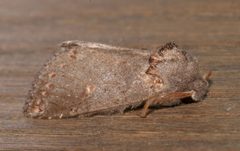
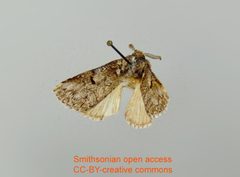
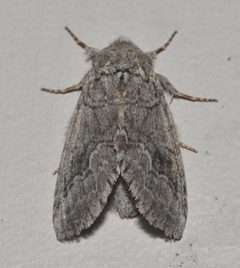
Heterocampinae is a of prominent moths within the Notodontidae. It contains at least 60 described in North America, with additional species in other regions. The group includes economically and ecologically significant such as Heterocampa, Schizura, and Lochmaeus. are and larvae often exhibit distinctive defensive postures.
Pronunciation
How to pronounce Heterocampinae: //ˌhɛtəroʊˈkæmpɪniː//
These audio files are automatically generated. While they are not always 100% accurate, they are a good starting point.
Images
Distribution
North America (at least 60 described ); additional species occur in the Neotropics and elsewhere. Specific range limits for the as a whole are not well documented.
Behavior
Larvae of prominent moths are known for their characteristic defensive posture: raising both the and body segments when disturbed, which may serve to startle . are and attracted to light.
Ecological Role
Larvae function as herbivores, consuming foliage of woody plants. Specific ecological roles at the level are poorly documented.
Human Relevance
Some (particularly in Heterocampa and Schizura) are occasional defoliators of shade trees and ornamental plants, causing minor to moderate economic impact. The is frequently encountered by naturalists and enthusiasts due to its diversity and abundance.
Similar Taxa
- NotodontinaeAnother within Notodontidae; distinguished by differences in wing venation, larval , and genitalia, though field identification to subfamily is often impractical
- Phalerinae of Notodontidae; separation requires examination of genitalia and other internal characters
More Details
Taxonomic composition
The contains 19 recognized including Heterocampa (type genus), Schizura, Lochmaeus, Oligocentria, and Hyparpax. Generic boundaries have been revised multiple times, and molecular phylogenetic studies continue to refine relationships within Notodontidae.