
Afilia
Schaus, 1901
Species Guides
3- Afilia luma
- Afilia oslari(Mimosa Prominent)
- Afilia walshi
Afilia is a of in the Notodontidae, first described by William Schaus in 1901. The genus belongs to the Hapigiinae and contains three recognized : Afilia oslari, A. cinerea, and A. purulha. These moths are part of the diverse notodontid fauna, commonly known as prominent moths. The genus has been documented through 198 iNaturalist observations, indicating some level of field detectability.
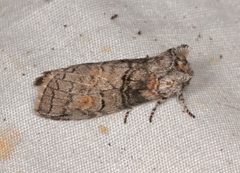
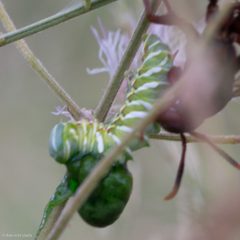
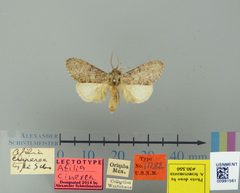
Pronunciation
How to pronounce Afilia: /əˈfɪliə/
These audio files are automatically generated. While they are not always 100% accurate, they are a good starting point.
Identification
Afilia can be distinguished from other Hapigiinae by genitalic characters, though external morphological features require examination. The genus is placed in the Hapigiinae based on phylogenetic and morphological studies of Notodontidae. Species-level identification relies on examination of and original descriptions by Dyar (1904) and Schaus (1901, 1921).
Images
Distribution
The occurs in the Neotropical region based on the type localities of its constituent . Afilia cinerea was described from Mexico, A. oslari from the southwestern United States (Arizona), and A. purulha from Guatemala.
Similar Taxa
- Other Hapigiinae generaAfilia shares placement with related notodontid , requiring genitalic dissection or molecular analysis for definitive separation.
More Details
Taxonomic history
The was established by William Schaus, a prolific describer of Neotropical Lepidoptera, in 1901 with Afilia cinerea as the type . The Hapigiinae was not always recognized, and the genus has been variously placed within Notodontidae depending on classification system used.
Species composition
The three recognized show a disjunct distribution pattern spanning from the southwestern United States through Mexico to Central America, suggesting potential for additional undescribed species in intervening regions.